Chat-GPT, a powerful language model developed by OpenAI, has been making waves in the world of artificial intelligence. As a conversational AI, it has the potential to redefine the way we interact with technology and streamline various tasks in our daily lives. In this comprehensive guide, we will explore the ins and outs of Chat-GPT, its applications, and why it matters in today’s tech-driven world.
Table of Contents
What Is ChatGPT?
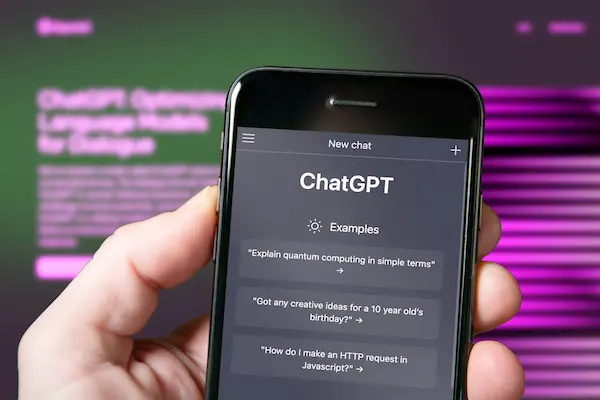
ChatGPT (short for Chatbot Generative Pre-trained Transformer) is a state-of-the-art conversational AI model developed by OpenAI. It is built on the foundation of the GPT-3 architecture, which is known for its impressive text generation capabilities. Chat-GPT leverages machine learning techniques to understand and generate human-like responses, making it an invaluable asset in various industries and applications.
How ChatGPT Works
The Chat-GPT model relies on the Transformer architecture, which is a neural network designed for natural language processing tasks. It uses a mechanism called “self-attention” to identify relevant patterns and relationships in the input data, which enables it to generate context-aware and coherent responses.
When processing a user’s input, Chat-GPT tokenizes the text into smaller units called tokens. These tokens are then passed through multiple layers of the neural network, where each layer learns to extract and process different features of the text. The final output is a generated response that closely resembles human language.
The Evolution Of Conversational AI
Chat-GPT is part of a broader trend in the evolution of conversational AI, which has seen significant advancements in recent years. Early generations of chatbots relied on rule-based systems, which limited their ability to understand complex human language and generate coherent responses. As machine learning techniques improved and researchers developed more sophisticated models like GPT-3, the potential for truly human-like conversations with AI became a reality.
Why Does ChatGPT Matter?
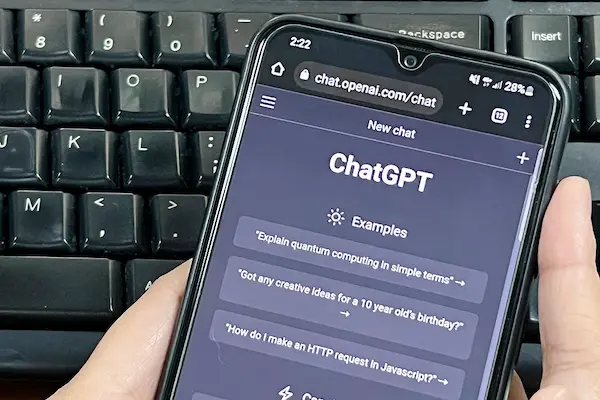
ChatGPT’s ability to generate highly context-aware and coherent responses makes it a valuable tool in a variety of industries and applications. From customer service to content generation, this state-of-the-art conversational AI has the potential to revolutionize the way we interact with technology.
Streamlining Customer Service
One of the most promising applications of ChatGPT is in the realm of customer service. By automating responses to common customer queries, businesses can greatly improve response times and reduce the workload on their customer support teams. This translates to a more efficient and cost-effective customer service experience, without sacrificing quality.
Enhancing Content Creation
ChatGPT’s language generation capabilities also make it an invaluable resource for content creators. Whether it’s generating blog posts, social media updates, or even entire books, ChatGPT can help streamline the creative process and assist in generating high-quality, engaging content that resonates with audiences.
Revolutionizing Human-AI Interaction
As the line between human and AI-generated responses becomes increasingly blurred, ChatGPT has the potential to revolutionize the way we interact with technology. Its ability to seamlessly participate in conversations opens up new possibilities for AI-driven virtual assistants, language translation, and even AI-powered therapy sessions.
Limitations Of ChatGPT
Despite its impressive capabilities, ChatGPT is not without its limitations. Understanding these limitations is crucial for effectively utilizing the technology and managing expectations.
Inconsistency And Inaccuracy
ChatGPT can sometimes generate responses that are inconsistent, incorrect, or unrelated to the input. This is because the model has been trained on vast amounts of data from diverse sources, which can lead to conflicting information or biases. While it is generally adept at generating coherent responses, it’s essential to be aware of these limitations and verify the accuracy of its output.
Sensitivity To Input Phrasing
The way a question or prompt is phrased can greatly impact ChatGPT’s response. Slight changes in wording can lead to different answers, which may cause confusion or inconsistency. This is an area where human intervention and expertise remain crucial in guiding the AI to provide accurate and coherent responses.
Ethical Considerations
With great power comes great responsibility, and the same holds true for ChatGPT. The potential for misuse in areas such as generating misleading or harmful content raises ethical concerns that must be addressed. OpenAI has taken steps to mitigate these risks by implementing safety features and policies, but users must also be mindful of the potential consequences of their actions when using ChatGPT.
Ensuring Safe And Responsible Use
OpenAI has taken several measures to ensure the safe and responsible use of ChatGPT and address the limitations and ethical concerns associated with the technology.
Moderation And Safety Measures
OpenAI has implemented a moderation system to warn or block certain types of unsafe content. While this system is not perfect, it serves as a crucial safety net to minimize the risk of generating harmful or misleading content.
User Feedback And Continuous Improvement
OpenAI actively encourages users to provide feedback on problematic model outputs, as well as false positives and negatives from the content moderation system. This feedback loop allows OpenAI to continuously improve ChatGPT’s performance, safety, and accuracy, ensuring that it remains a valuable and responsible tool.
Collaboration And Policy Development
OpenAI is committed to working with the wider AI community, policymakers, and other stakeholders to develop policies and safety standards that govern the use of powerful AI technologies like ChatGPT. By fostering collaboration and open dialogue, OpenAI aims to address the ethical and societal implications of AI in a responsible manner.
The Future Of ChatGPT And Conversational AI
As ChatGPT and other conversational AI models continue to evolve, we can expect to see even more impressive capabilities and applications emerge. From virtual assistants that can genuinely understand and anticipate our needs, to AI-driven therapy sessions that offer personalized mental health support, the future of conversational AI holds immense promise.
However, as with any powerful technology, it is crucial to navigate the ethical and societal challenges that come with it. By ensuring safe and responsible use, fostering collaboration, and encouraging continuous improvement, we can harness the full potential of ChatGPT and other AI advancements to build a brighter, more connected future.