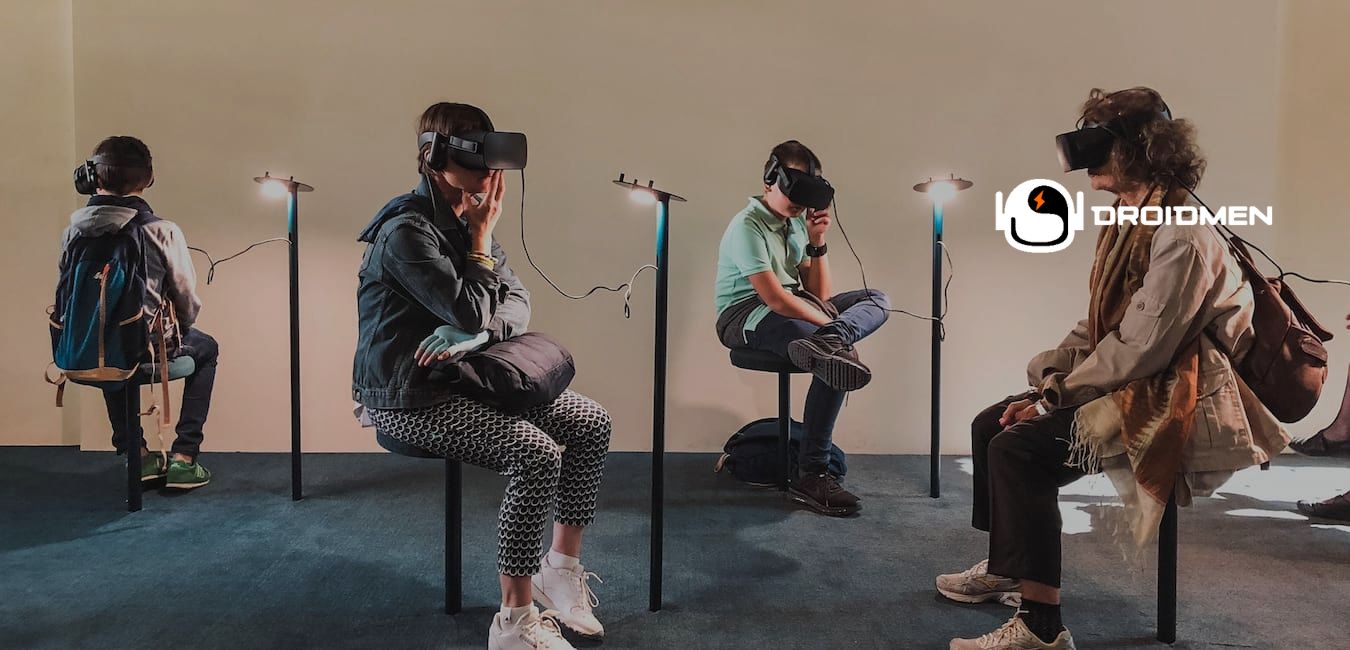
Imagine embarking on a journey to the outer edges of the universe, diving into the mysteries of the human body, or stepping back in time to walk amidst dinosaurs, all from the safety of a classroom. Welcome to the exciting world of Virtual Reality (VR) in education. VR, a simulated experience that can mimic reality or create entirely new worlds, is no longer just a figment of science fiction. It is a present-day reality, transforming how we learn and perceive the world around us.
In the context of education, VR represents an innovative leap, offering immersive and interactive experiences that enhance learning. Not too long ago, students heavily relied on textbooks or term paper writing service to cope with complex topics. Now, VR is paving the way for experiential learning, taking knowledge acquisition to unprecedented heights.
Table of Contents
Understanding Virtual Reality in Education
How Does VR Work in Education?
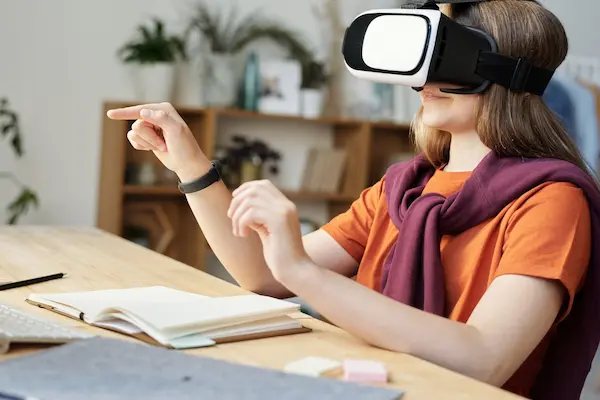
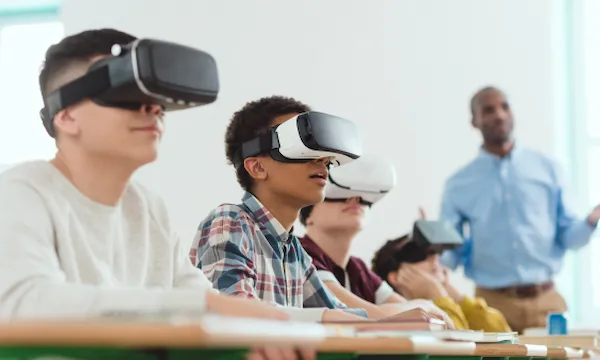
Virtual Reality, or VR, functions in education by immersing students in a fully interactive, three-dimensional environment. By wearing VR headsets, students are able to explore and interact with these environments in real-time, providing an active form of learning that is in stark contrast to traditional, passive methods of education.
Instead of merely reading about the Roman Colosseum, students can virtually visit it, examining the architecture and soaking in the historical atmosphere. In biology classes, students could potentially shrink down to cellular size to see the inner workings of a cell, vastly improving their understanding of the subject matter. This hands-on, exploratory learning style makes abstract or complex concepts more tangible and relatable, aiding comprehension and memory retention.
Examples of VR Educational Applications
There is a vast array of educational applications for VR that span a variety of subjects:
-
Virtual field trips:
Students can visit historical sites, museums, national parks, or even other planets without leaving the classroom. This expands the range of experiential learning, bypassing geographical and logistical limitations.
-
Scientific simulations:
Complex scientific phenomena, from molecular structures to vast cosmic events, can be explored interactively. This makes learning about such complexities more engaging and understandable.
-
Skill training:
Students can practice complex or dangerous tasks in a safe and controlled virtual environment, like performing a virtual chemistry experiment or a surgical procedure. These hands-on experiences enhance learning and build students’ confidence before they move on to real-world tasks.
Benefits of Virtual Reality in Education
Enhanced Engagement and Immersive Learning
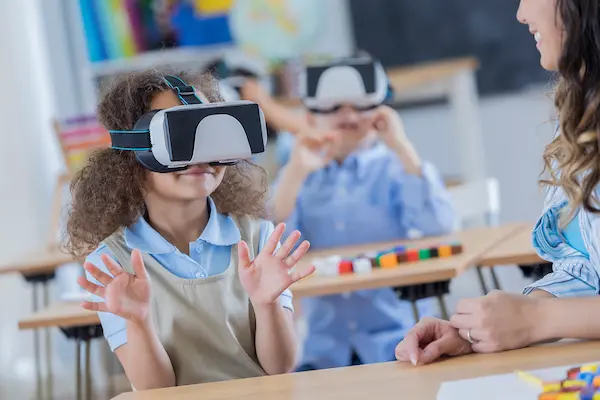
VR’s inherent immersive quality significantly boosts student engagement. In a VR environment, distractions are minimized, and the learner is completely involved in the task at hand. The vivid and interactive nature of VR content makes it an excellent tool for capturing and maintaining student interest over prolonged periods. This immersive engagement helps students to process information more deeply, improving comprehension and long-term retention.
Interactive Simulations for Complex Concepts
VR’s potential in providing interactive simulations can greatly aid the understanding of complex concepts. It offers a way to visualize and manipulate three-dimensional models of abstract concepts that are otherwise challenging to grasp. For example, students can engage with geometric shapes in three dimensions, providing a level of understanding far beyond what could be achieved with two-dimensional representations.
Safe and Controlled Environment for Learning and Practice
Virtual Reality provides a safe and controlled environment for learners to experiment, practice, and make mistakes without real-world repercussions. In fields such as medicine, aviation, or chemistry, this provides an invaluable opportunity for students to learn and practice potentially risky procedures without fear of causing harm.
Facilitating Collaborative and Social Learning
While VR might seem like a solitary experience, many VR educational applications are designed with social and collaborative learning in mind. These applications allow students to interact with each other in the virtual environment, working together on projects or exploring virtual worlds as a team. This fosters cooperation and communication skills, while also making the learning experience more enjoyable.
Challenges and Limitations of Using VR in Education
Technological Challenges
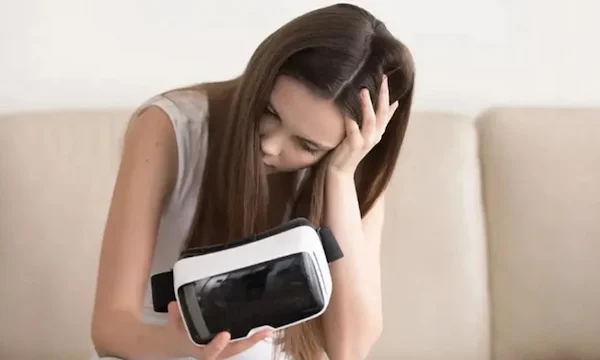
While the prospect of using VR in education is exciting, it is not without its technological challenges. These include issues related to the VR hardware, such as headset comfort and image resolution, which can impact the user experience. Software challenges involve the development of high-quality, educational VR content. Furthermore, the technology requires regular updates and maintenance, which can be a significant cost factor for educational institutions.
Accessibility and Equity Concerns
Another major challenge is that accessibility and equity. The cost of VR equipment and the infrastructure needed to run it smoothly can be prohibitively high for many schools, especially those in underprivileged areas. This raises the concern that the benefits of VR in education might be limited to students in wealthier schools or districts, exacerbating educational inequities.
Potential Health and Safety Concerns
There are also potential health and safety concerns related to the use of VR. These include physical effects such as eye strain, dizziness, or disorientation caused by prolonged use of VR headsets. There are also psychological concerns, such as the risk of users becoming too immersed in virtual environments and detached from reality.
Future Prospects of VR in Education
Expected Technological Advancements
As VR technology continues to evolve, it is expected that many of the current limitations and challenges will be addressed. Future advancements in VR technology could lead to more comfortable, user-friendly headsets, higher-quality visual representations, and more sophisticated interactive features. Additionally, as the technology becomes more widespread, the cost of VR equipment and the development of VR content could become more affordable, making it more accessible to a broader range of educational institutions.
Potential Impact on Distance and Online Learning
One of the most promising applications of VR in education is its potential to transform distance and online learning. VR could provide remote students with a fully immersive, interactive learning environment that closely replicates the experience of being in a physical classroom or lab. This could revolutionize online education, making it a more attractive and effective option for many students.
The Role of VR in Post-Pandemic Education
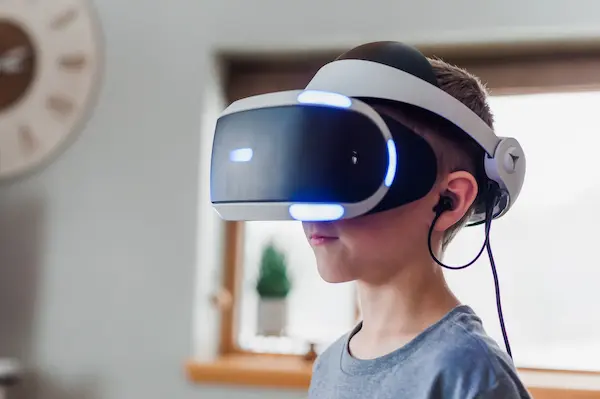
The COVID-19 pandemic has underscored the need for high-quality remote learning solutions, and VR could play a significant role in this. The immersive nature of VR can help to bridge the gap between the classroom and the home, providing engaging and effective learning experiences even when in-person education is not possible. As we move forward into the post-pandemic world, the role of VR in education is likely to become even more significant.
Conclusion
Virtual Reality in education has moved beyond the realm of novelty to become a powerful tool for immersive, experiential learning. While it’s not about replacing traditional teaching methods or essay writing services anytime soon, it offers new, engaging ways to complement these methods and enrich the educational landscape.
As we navigate the path of continual technological advancement, we can look forward to seeing how VR further evolves and cements its place in the education sector, opening more doors to virtual explorations and simulations, and truly making learning without boundaries a reality.