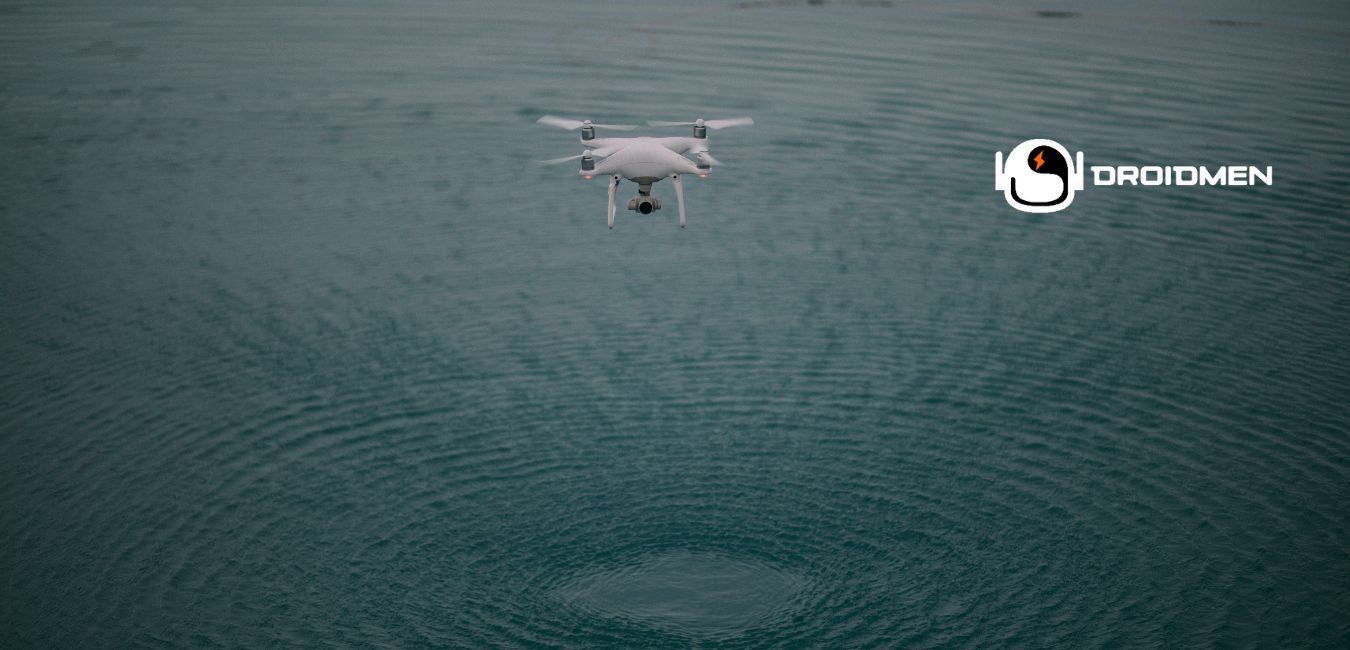
Flying drones has become an exciting way to capture breathtaking views and explore the world from above. Yet one crucial question remains — are drones waterproof? Most drones aren’t truly waterproof—they’re generally water-resistant, able to withstand only light rain or minor splashes.
Waterproof models feature sealed designs that protect internal components from moisture. Understanding your drone’s level of water protection helps prevent damage, maintain performance, and ensure safer operation in damp or unpredictable conditions.
Whether you’re filming by the beach, near waterfalls, or in unpredictable weather, understanding the waterproof capabilities of your equipment helps you fly confidently and protect your gear.
Table of Contents
Key Takeaways
- Limited Protection: Most drones are water-resistant, not waterproof, offering minimal defense against light rain or accidental splashes.
- True Waterproof Models: Specialized drones like the SwellPro SplashDrone 4 can safely operate on or near water surfaces.
- Fly Smart: Understanding your drone’s waterproof rating ensures safer flights, prevents damage, and improves performance in wet conditions.
Understanding Drone Waterproofing
Drone waterproofing determines how well a drone can resist water damage. Waterproof means full protection from immersion, water-resistant offers limited defense against splashes, and weatherproof withstands light rain or humidity.
The IP (Ingress Protection) rating, such as IP43 or IP67, indicates the level of dust and water resistance. Most consumer drones prioritize lightweight design over complete waterproof sealing.
Types Of Water-Resistant And Waterproof Drones
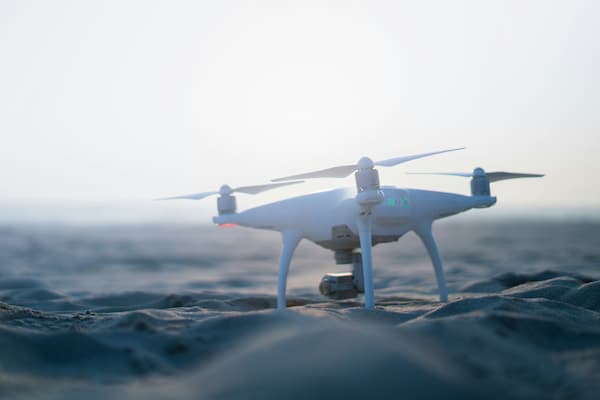
Drones vary in their ability to handle moisture, ranging from lightly water-resistant consumer models to fully waterproof drones designed for aquatic use. Understanding these differences helps users choose the right drone for their environment.
Consumer-Level Water-Resistant Drones
Consumer drones, such as the DJI Mini or Air series, can tolerate light rain or splashes but aren’t meant for heavy moisture or submersion. They’re ideal for misty or humid conditions when flown carefully.
However, most manufacturers exclude water damage from warranty coverage, so users should avoid flying in heavy rain or over open water without precautions.
Fully Waterproof Drones
Specialized models, such as the SwellPro SplashDrone 4 and the PowerVision PowerEgg X, are specifically designed for use in aquatic environments. They feature sealed motors, waterproof casings, and buoyant designs, enabling them to land safely on water.
These drones are typically targeted at professionals in rescue, marine photography, and fishing, and are more expensive due to their robust waterproof technology and advanced engineering.
DIY Waterproofing Solutions
Drone enthusiasts can enhance water resistance by applying silicone sprays, conformal coatings, or waterproof films to exposed electronics. While these DIY methods add protection, they risk voiding warranties or affecting flight balance and heat dissipation.
The safest approach is to apply a minimal coating, avoiding vents and sensors, and thoroughly testing before flying near moisture or wet environments.
Flying Drones Near Water Safely
Flying drones near water requires extra caution. Understanding safety measures, weather awareness, and recovery steps ensures you protect your equipment and capture stunning footage without risking costly water damage.
Pre-Flight Precautions
Before flying near water, check your battery level, GPS connection, and compass calibration. Avoid windy or rainy conditions that reduce control stability.
Use waterproof accessories, such as float kits, propeller guards, or landing gear extensions, for added safety. Always perform a short test flight first to confirm the drone responds properly before moving over water surfaces.
What To Do If Your Drone Gets Wet
If your drone falls into water, immediately turn it off and remove the battery. Rinse with fresh water if exposed to salt, then dry using silica gel or gentle airflow. Avoid using heat sources. Inspect internal components for corrosion before restarting. If any signs of damage remain, contact a professional technician for assessment and repair.
Tips For Capturing Footage Over Water
Use gimbal stabilization to counter wind vibrations and maintain smooth footage. Set “Follow Me” and “Return to Home” functions carefully to avoid accidental water landings.
Adjust camera angles to minimize glare and reflections from sunlight on the surface. Early morning or late afternoon flights often yield better lighting for dramatic and visually balanced shots.
Choosing The Right Drone For Wet Conditions
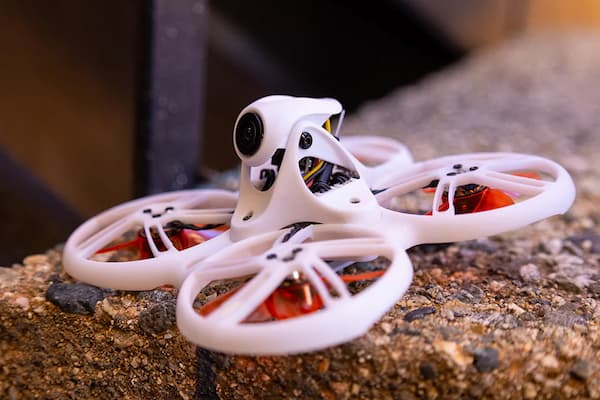
Selecting a drone for wet conditions requires balancing performance, durability, and cost. Understanding your use case, evaluating design quality, and maintaining proper care ensure reliability and safety during water-adjacent flights.
Assessing Your Use Case
Before buying, determine how and where you plan to fly your drone. Hobbyists may need basic splash resistance, while professionals in rescue, fishing, or filming over water require full waterproof sealing.
Consider factors like flight range, camera quality, and environmental exposure. Matching your activity type to the correct protection level ensures better longevity and consistent flight performance.
Evaluating Build Quality And Protection Features
Inspect the drone’s construction materials, sealing points, and IP rating. Look for corrosion-resistant motors, waterproof gimbals, and coated electronic boards.
Ensure that battery compartments and propeller joints have tight seals to prevent moisture from entering. Models with higher IP ratings (like IP67 or IP68) offer greater resistance, making them safer for frequent use in humid or rainy environments.
Alternatives And Care Practices
If a waterproof drone is beyond your budget, consider protective gear like rain covers, silicone coatings, or detachable float kits. Always dry your drone after exposure to moisture and store it in a humidity-controlled environment.
Regular inspections and gentle cleaning prevent corrosion, extending your drone’s lifespan and keeping it ready for outdoor conditions near water.
FAQs
1. Can I Fly A Drone During Light Rain?
Flying most drones in light rain isn’t recommended, as moisture can enter motors or circuit boards and cause short circuits. Only waterproof drones with high IP ratings can operate safely in wet conditions, ensuring stable performance and preventing long-term corrosion or internal electronic damage.
2. How Can I Waterproof My Existing Drone?
You can enhance your drone’s water resistance using silicone sprays, waterproof sealants, or custom protective shells. However, DIY waterproofing can trap heat or block sensors, leading to malfunctions. It’s safer to rely on professional waterproofing services or purchase drones specifically designed for water-resistant or amphibious operation.
3. What Should I Do If My Drone Accidentally Lands In Water?
If your drone lands in water, immediately power it off, remove the battery, and do not attempt to turn it back on. Gently rinse with fresh water if exposed to salt, then dry thoroughly using silica gel or airflow before checking for corrosion or internal damage.
Conclusion
While most drones aren’t fully waterproof, understanding their protection levels helps you fly safely in wet or humid environments. Choosing a model suited to your needs—whether splash-resistant or fully sealed—can prevent costly damage and ensure dependable performance.
Always check IP ratings, use proper accessories, and follow safe flying practices near water. With thoughtful preparation and care, you can confidently capture stunning aerial footage without risking your equipment, even when the weather turns unpredictable or conditions get damp.