Table of Contents
Do All Drones Require A Smartphone?
Do All Drones Require A Smartphone? In today’s rapidly evolving world of technology, drones have become increasingly popular among enthusiasts and professionals alike. These unmanned aerial vehicles offer a range of exciting features and capabilities, from aerial photography and videography to delivery services and search and rescue operations. One common question that arises when considering the use of drones is whether a smartphone is necessary for their operation. In this comprehensive guide, we will explore the various factors and options related to operating drones with or without a smartphone.
Understanding The Role Of A Smartphone In Drone Operation
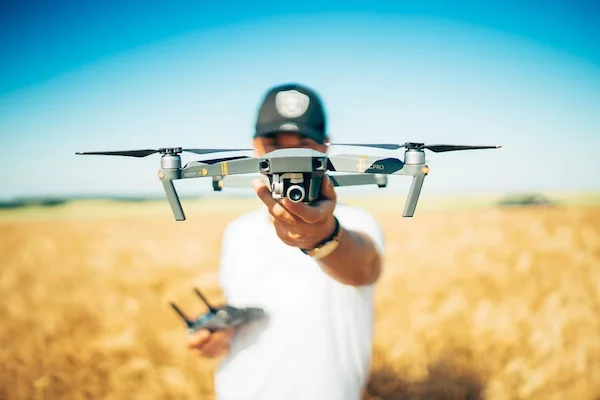
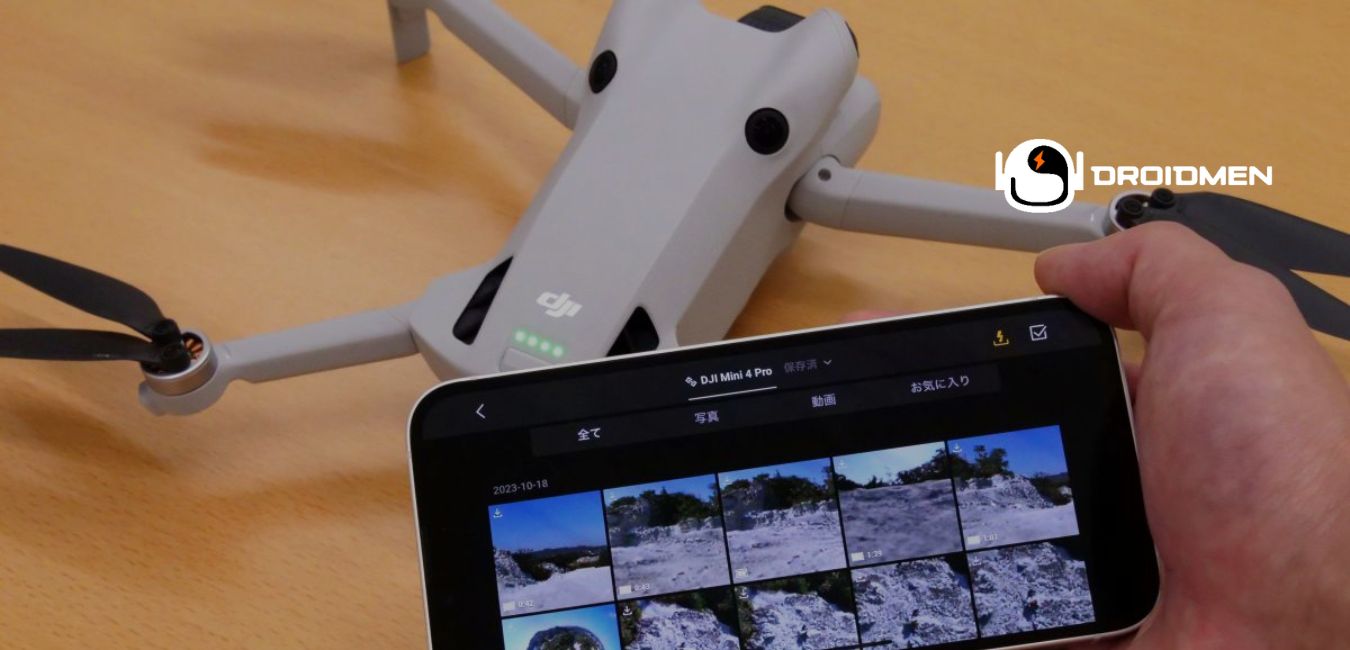
To grasp the significance of a smartphone in drone operation, it’s essential to understand the primary functions it serves. In most cases, drones rely on smartphones for a display screen, as the typical drone controller does not come with a built-in display. The smartphone acts as a first-person view (FPV) screen, allowing the pilot to receive real-time video feed from the drone’s camera. Additionally, the smartphone enables the pilot to control various aspects of the drone, such as camera settings and flight modes, through on-screen controls.
While using a smartphone to operate a drone offers convenience and versatility, it also presents challenges. Interruptions from phone calls, text messages, and other notifications can distract the pilot and potentially compromise the flight. Moreover, relying solely on a smartphone for drone control limits certain functionalities, particularly the live video feed and camera controls. However, it’s important to note that drones can still be operated without a smartphone, albeit with some limitations.
Options For Flying Drones Without A Smartphone
If you prefer to fly a drone without the need for a smartphone, several options are available. Let’s explore each option in detail:
1. Fly With The Flight Controller Without A Smartphone
The most basic alternative is to fly the drone using the flight controller alone, without connecting it to a smartphone. While this approach allows for basic drone operation, it restricts access to certain features and functionalities. Without a display screen, the pilot will lose the FPV capabilities and the ability to control the camera settings through on-screen controls. However, for those who prioritize simplicity and don’t require advanced camera functionalities, flying with just the flight controller can still provide an enjoyable flying experience.
2. Use A Controller With A Built-In Display
Another option is to use a controller that comes with its own built-in display screen. One such example is the DJI Smart Controller, which eliminates the need for a smartphone altogether. Equipped with a high-resolution display, this controller allows for seamless control of the drone and provides a clear FPV view. With a built-in display, pilots can enjoy the full range of drone functionalities without the potential distractions or limitations associated with using a smartphone.
3. Choose A Drone With A Controller Featuring A Built-In Display
Alternatively, you can opt for a drone that comes with a controller featuring its own integrated display screen. This option offers the convenience of a built-in display without the need to purchase a separate controller. Drones like the Phantom 4 Pro+ from DJI and Autel Evo II fall into this category. These drones provide a comprehensive flying experience, with advanced camera capabilities and a dedicated display screen for seamless control.
How Drones Fly Without A Phone: The Role Of A Flight Controller
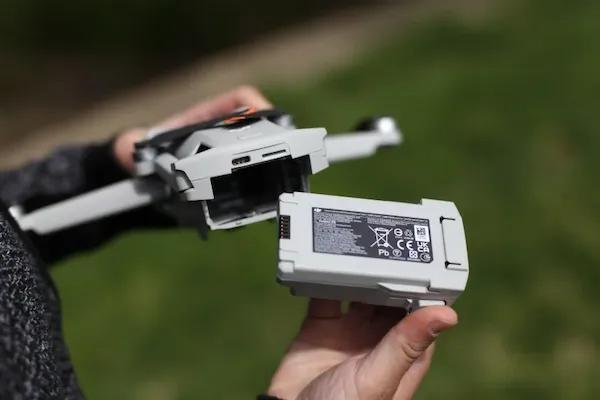
To understand how drones can fly without a smartphone, it’s crucial to examine the role of the flight controller. The flight controller is the main controller responsible for the drone’s motion and stability during flight. It performs a range of sophisticated functions, both with and without a smartphone.
Perception Of The Environment
Most drones are equipped with an in-built flight controller that gathers information about the drone’s height, orientation, and speed through a series of sensors. These sensors include the Inertial Measurement Unit (IMU) sensor, which detects angular speed and acceleration, and the barometer sensor, which measures the drone’s altitude during flight. Additionally, distance sensors identify obstacles in the drone’s path. The flight controller processes and filters this sensor data to keep the drone on track and avoid collisions.
Controlling The Drone
The flight controller is responsible for controlling the drone’s motion based on the pilot’s input. Whether it’s rotating, rolling, or ascending or descending, the flight controller ensures the drone responds accurately and maintains stability. It acts as the brain behind the drone’s complex movements, using the sensor data to calculate the desired speed for each of the four motors. These motor speeds are then translated into signals by the Electronic Speed Controllers (ESCs) and executed by the motors, resulting in specific movements such as flips, dives, or rotations.
The PID Control Algorithm
To carry out these complex calculations and ensure precise control, the flight controller utilizes a set of rules known as the PID (Proportional Integral Derivative) control algorithm. This algorithm processes the sensor data, filters out noise, and calculates the appropriate motor speeds to achieve the desired movements. The PID control algorithm ensures a smooth and stable flight experience by constantly adjusting the motor speeds based on real-time feedback.
Communication
In addition to controlling the drone’s motion, the flight controller also plays a crucial role in communication. It gathers data from the sensors, interprets it accurately, and presents the information to the pilot through the display screen. This communication is vital for the pilot to make informed decisions during the flight, such as monitoring battery levels or adjusting flight parameters. Furthermore, the flight controller facilitates communication with other devices, such as autopilot systems or networked computers, which enable advanced automation and control.
Drones You Can Use Without A Smartphone
For those who prefer not to rely on a smartphone for drone operation, several models offer built-in display screens or alternative options. Let’s explore some of these drones:
1. Phantom 4 Pro+

The Phantom 4 Pro+ from DJI is a popular consumer and commercial drone that eliminates the need for a smartphone. It features a built-in display screen integrated into the flight controller, providing a seamless and comprehensive flying experience. With a 4K 12-megapixel camera and a range of 7km or more, this drone offers high-quality aerial imaging capabilities and extended flight time.
2. Autel Evo II
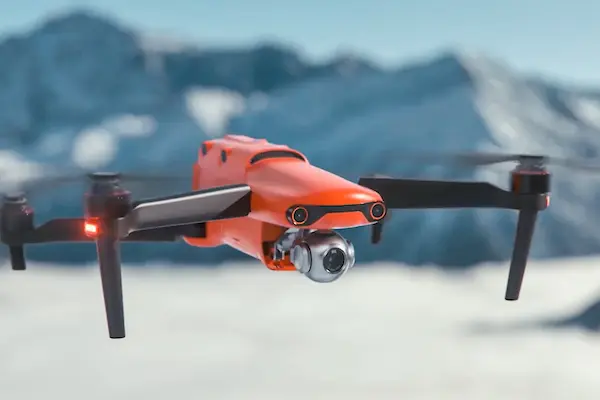
The Autel Evo II is a strong competitor to the DJI Mavic series and offers a built-in smart FPV screen on its Remote Controller. While it can function independently without a smartphone, certain features may still require the use of an app. The Autel Evo II stands out with its vibrant color scheme and exceptional video quality, making it a compelling choice for drone enthusiasts.
3. Hubsan H502S
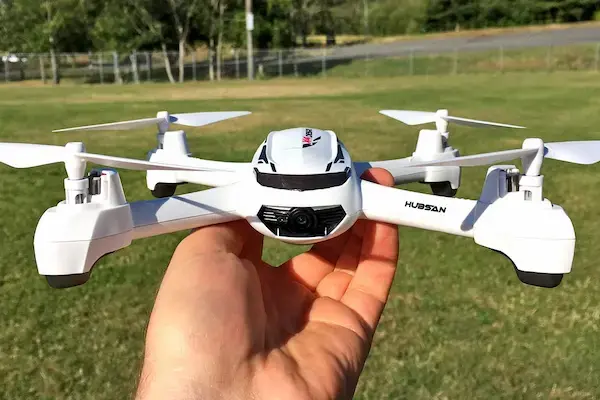
The Hubsan H502S is another drone that features an FPV transmitter with a 4.3-inch display, allowing for control without the need for a smartphone. With its 5.8G real-time FPV capabilities and high-quality images, this drone offers an immersive flying experience. The headless mode feature further enhances orientation control, making it an excellent option for flying without a smartphone.
4. Potensic U36D
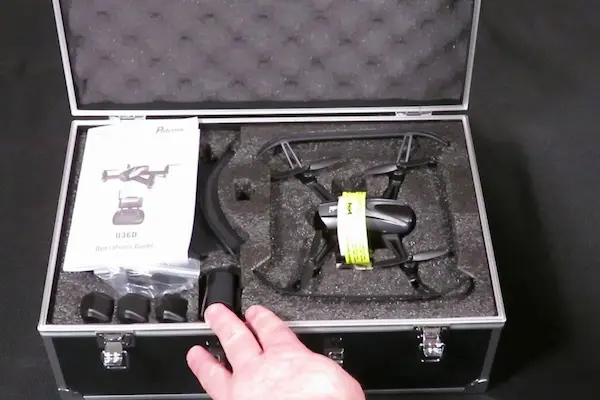
The Potensic U36D is a drone that offers an FPV display and VR goggles for an enhanced visual experience. With its 5.8Ghz 720P camera, this drone captures high-quality images and videos that can be viewed in real-time directly from the drone. Additional features like Headless mode and Altitude Hold mode make it easy to control and stabilize the drone while achieving exceptional results.
Conclusion
In conclusion, while many drones rely on smartphones for a display screen and control functionalities, it is possible to operate drones without a smartphone. By utilizing a flight controller alone, using a controller with a built-in display, or selecting a drone with an integrated display screen, pilots can enjoy a seamless flying experience with access to a range of features and functionalities. Whether you prefer the convenience of a smartphone or the simplicity of a dedicated display, the choice ultimately depends on your specific needs and preferences. So, if you’re wondering whether all drones require a smartphone, the answer is no, but with various options available, you can find the right solution to suit your requirements.
Remember, when choosing a drone, consider factors such as camera quality, flight time, range, and additional features that align with your goals and budget. Happy flying!