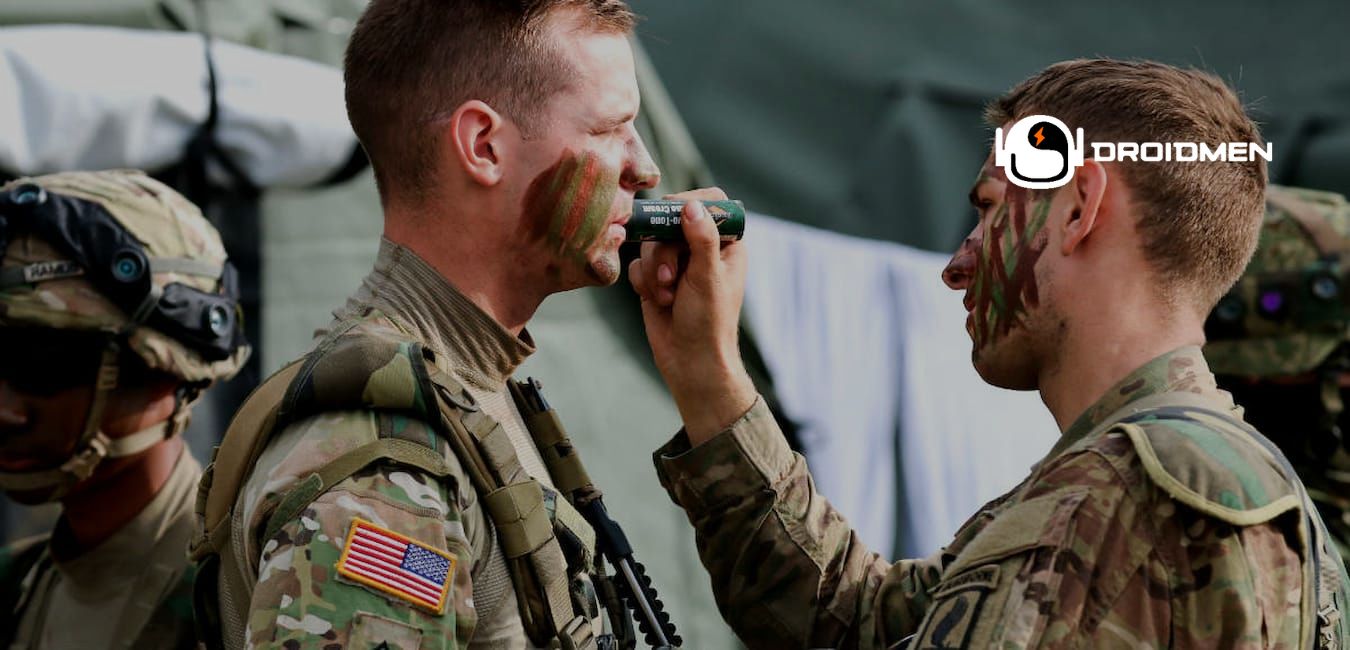
Military tactics are defined as “the science and art of organizing a military force.” These are the “techniques for engaging and outlasting an enemy in battle by combining weapons or military units.”
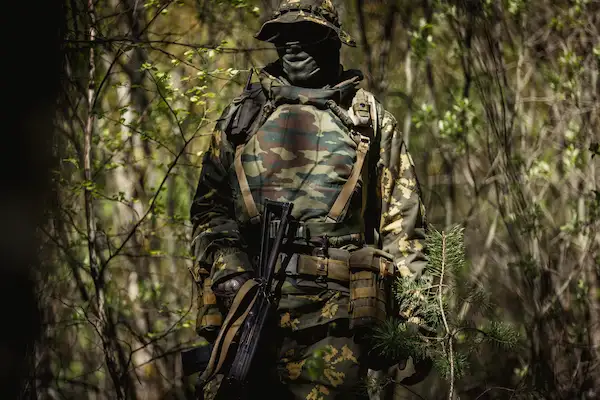
For instance, in jungle warfare, camouflage is typically dark and green to blend in with the surrounding dirt and plants. Whites and greys are used in camouflage when a soldier is operating in snowy environments. Along with the clothing they wear, they also paint their faces with hues that go well with the camouflage they use.

Soldiers can conceal themselves from opponents in plain sight because of mottled camouflage. The relevance of protecting specific military individuals has diminished in light of modern combat. Recently, aircraft have been employed to locate adversaries on the ground. Because of this, military gear has also been painted in muted shades of brown and green to blend in with the surrounding vegetation. Soldiers also carry chicken wire and camouflage netting that they use to cover their tanks and other military equipment to better conceal them. They also collect natural vegetation from the area to hide their machinery and/or cars.
Camouflage was widely used on tanks, jeeps, planes, guns, and other weaponry during World War II, as well as in factories and entire army facilities.
Warships, on the other hand, were challenging to conceal because they were continually afloat and nearly always had a background with a single color. Because of this, warships were unable to blend in with their surroundings.
By 1917, the dazzle camouflage design was born. This pattern is reminiscent of a cubist painting because it combines different colored geometric shapes. This makes it challenging for adversaries to tell which side of the ship they are viewing from a distance.
The military continues to utilize decoys to draw the enemy away from their positions. The Allied troops constructed nearly 500 fake cities, airfields, bases, and shipyards during World War II. These were typically constructed in isolated, desolate places to protect fortifications and actual cities.
Unfortunately, technological advancements that can see through camouflage have come along with all the advancements and breakthroughs in military camouflage. The heat that the person or the equipment is releasing allows the military’s thermal sight technology to “see” a person who has been camouflaged. Radar, satellite photography, picture improvement, and “bugs” or listening devices are among further technological advancements that the military takes advantage of.
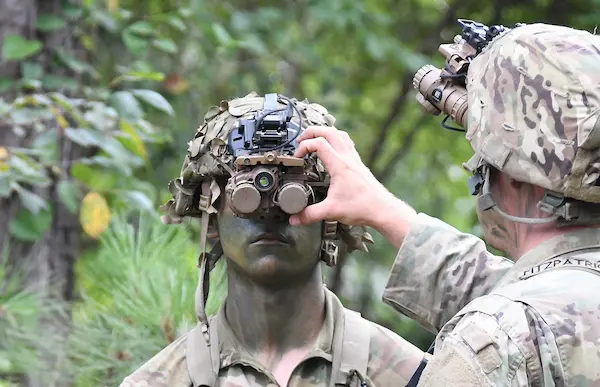
The military developed strategies to combat image augmentation as a result of these discoveries. Some armies have created quite advanced smoke screens. The person or thing hidden behind these thick clouds of smoke is essentially invisible since they restrict the light’s passage.
Having a trustworthy platform like www.agmglobalvision.com for buying this technology is crucial.
Final Thoughts
Military operations have benefited significantly from camouflage. Camouflage technology will advance and get more complex as technology in general does. But regardless of how sophisticated technology grows, there is just one fundamental strategy: figure out how your adversary perceives you and then do your best to hide everything that makes you stand out.