In our interconnected digital era, the internet offers college students immense benefits, from access to educational resources to social connections. However, this online immersion also brings potential risks to personal data and privacy. Cyber threats, unfortunately, are evolving at a breakneck speed. Protecting their digital footprints is imperative for students who frequently share, download, and collaborate online. So, how can one strike a balance between online engagement and security? Let’s delve into actionable steps.
Table of Contents
Why Is Data Privacy Important?

Data privacy is essential because it protects personal information from unauthorized access and misuse. When privacy is compromised, individuals risk identity theft, financial fraud, and personal safety threats. Moreover, respecting privacy builds trust between businesses and customers. If you are a student who wants to get essays online but wishes to maintain your privacy and the security of your money, look no further than WritingUniverse, where you can get free essays online. They have great security protocols, so all your transactions will be safe.
In our digital age, where vast amounts of data are shared daily, ensuring this information remains confidential is paramount. Failing to prioritize data privacy can lead to significant personal and professional consequences.
1. Embrace Strong Password Practices
A password is the first defense against cyber intruders. Adopting robust password protocols can’t be stressed enough. Avoid using easily guessable information like birthdays or names. Instead, utilize a mix of upper and lower case letters, numbers, and symbols. Consider using a passphrase – a sequence of random words or a sentence. Additionally, employ a trusted password manager to keep track of your numerous login details securely.
2. Activate Two-Factor Authentication (2FA)
2FA offers an added security layer. Even if someone manages to crack your password, 2FA ensures they can’t access your account without a second verification step, typically a code sent to your phone or email.
3. Stay Cautious with Public Wi-Fi

Campus coffee shops or libraries often provide free Wi-Fi, which can be a hotspot for hackers. When connected to public networks, avoid accessing sensitive information like bank accounts. If you frequently use public Wi-Fi, consider investing in a Virtual Private Network (VPN). A VPN encrypts your data, making it challenging for intruders to intercept.
4. Regularly Update Software
Those “Update Available” notifications aren’t merely annoying pop-ups – they’re gatekeepers of your digital security. Cyberattackers often exploit vulnerabilities in outdated software. Regular updates ensure you have the latest security patches.
5. Be Wary of Phishing Scams
Phishing emails are becoming increasingly sophisticated, often imitating legitimate organizations. They aim to trick users into providing personal data. This is why you should always be aware of digital security threats – see here for more info on that. Always inspect emails for suspicious links or requests. Contact the organization directly rather than clicking on the provided link if in doubt.
6. Limit Social Media Exposure
While sharing every college moment on social platforms is tempting, excessive sharing can expose crucial personal details. Be selective about what you post. Also, regularly review privacy settings to ensure only desired audiences, like friends or family, can view your activities.
7. Encrypt Sensitive Data
Whether it’s an academic project or personal photos, encryption tools can turn your files into unreadable codes for unauthorized users. So, even if someone accesses your device or cloud storage, deciphering the encrypted files becomes a Herculean task.
8. Backup Regularly
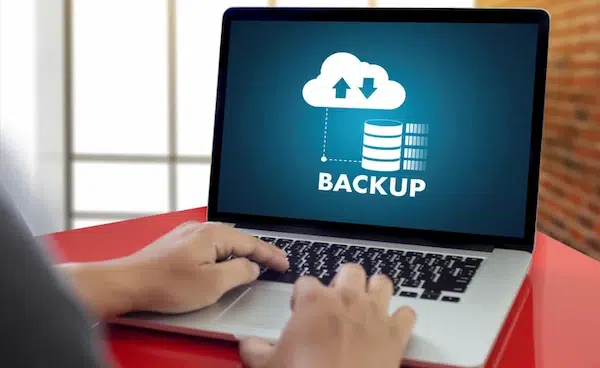
In the unfortunate event of a cyberattack, like ransomware, where hackers lock your files, having backup data can be a lifesaver. Implement a routine where you back up essential files to an external drive or trusted cloud service.
9. Educate Yourself
Cybersecurity isn’t a static field. New threats emerge daily. Dedicate some time to stay updated with the latest online security trends and threats. Knowledge, after all, is the best defense.
10. Use Antivirus and Firewall
While it might seem basic, many often overlook the importance of having reliable antivirus software and an active firewall. These tools scan for malicious activities and block potential threats, acting as sentinels for your digital realm.
In Conclusion
Navigating the digital landscape securely might seem daunting, especially with the constant news of breaches and hacks. However, with a proactive approach and adopting the abovementioned strategies, college students can significantly mitigate risks. Remember, security isn’t a one-time task in the digital world but an ongoing process. Stay vigilant, stay educated, and most importantly, stay safe. Your digital life is invaluable; protect it with the diligence it deserves.
Author: Mary Herd
Mary Herd artfully merges her writing prowess with her expertise in data privacy. As an article writer, she demystifies the complex world of data protection for her readers. With years of experience in the field, Mary’s insights offer a guiding light in the ever-evolving realm of digital privacy.