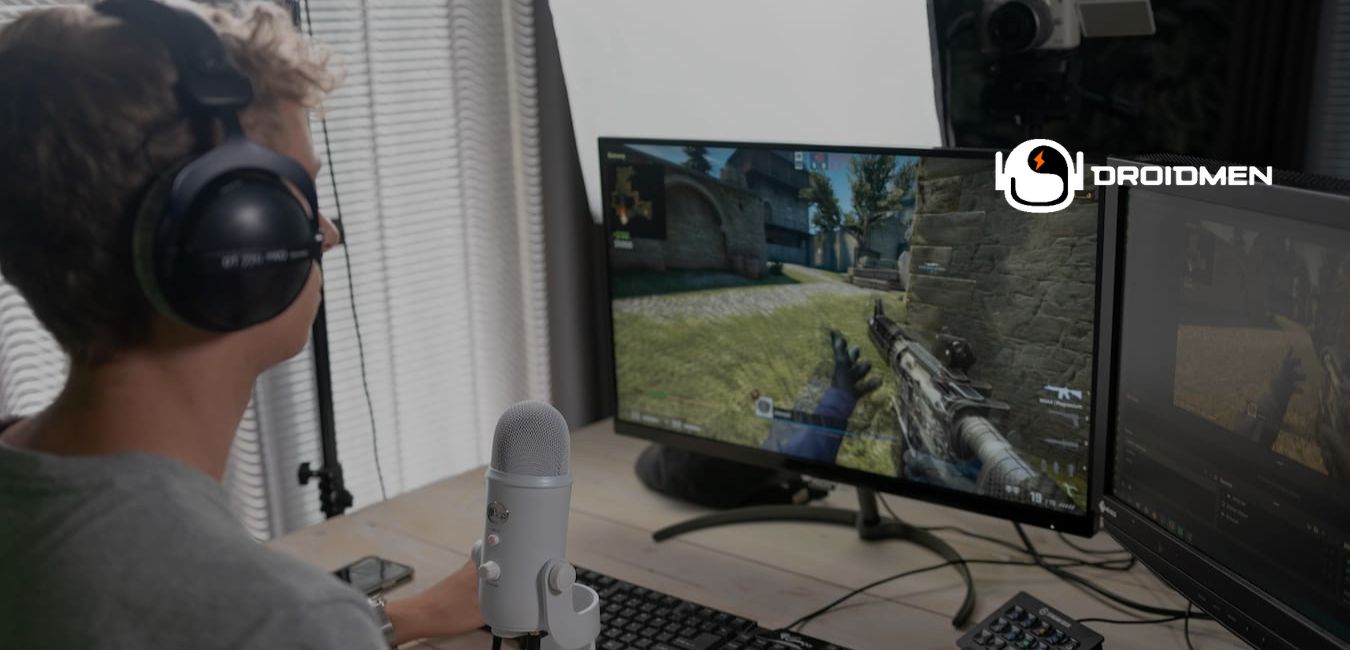
The gaming industry has undergone a big transformation in recent years thanks to technological advancements. One exciting innovation that has gained popularity is the integration of text-to-speech (TTS) technology into games. TTS enables written text to be converted into words, creating a dynamic experience for gamers. This article will delve into how TTS improves storytelling and enhances player engagement in gaming.
Table of Contents
Creating Captivating Storylines
Storylines play a role in gaming, transporting players into worlds brimming with adventure and thrill. With the introduction of text to speech realistic technology, game developers can breathe life into written content by providing dialogues and instructions for players to interact with. This opens up endless possibilities for crafting narratives.
By leveraging TTS capabilities, game developers can incorporate voice acting into their games without the need for hiring voice actors or recording studios. This not only reduces production costs but also allows for greater creative freedom in designing unique and diverse characters. Game designers can experiment with accents, tones, and personalities, thereby heightening the immersion of the storyline.
For example, envision playing a role-playing game set in a fantasy realm.
Instead of reading text on the screen, players get to listen to the wise words of a powerful sorcerer or the menacing threats of a fearsome dragon. This auditory experience brings a layer of depth and realism to the game, making players truly feel like they’re a part of that world.
Improving Accessibility
TTS technology also plays a role in improving accessibility in gaming. By providing text, players who have impairments or difficulties with reading can fully engage in the gaming experience. This inclusive approach enables a range of players to access and enjoy games, fostering diversity and equality within the gaming community.
Moreover, TTS can assist with language localization. Games developed in one language can be easily adapted for players from different parts of the world. Instead of relying on subtitles, TTS technology allows for delivering dialogue and instructions in a player’s preferred language, thereby making games more accessible and enjoyable for non-native speakers.
Enhancing Player Engagement
Player engagement is an important factor in any game. TTS technology has the potential to enhance player engagement by providing an interactive and lifelike experience. By listening to dialogue and instructions, players can establish connections with characters and storylines, thus intensifying their involvement.
Moreover, text-to-speech (TTS) can have a role in providing real-time guidance, feedback, and hints during gameplay. For instance, in puzzle-solving games, TTS can offer hints to players who might find themselves stuck on a level. This interactive feature not only keeps players engaged but also assists them in progressing through the game without frustration.
Additionally, TTS can be utilized to deliver context-dynamic information while playing games. In open-world games, for instance, TTS can provide spoken updates on missions, objectives, and important events. This eliminates the need for players to constantly refer to text-based menus or interfaces and enhances their gaming experience by integrating information.
Challenges to Consider While Implementing TTS Technology
It is important to acknowledge that there are challenges and considerations that game developers need to address when implementing TTS technology.
One challenge lies in the variability of voice quality and pronunciation accuracy among TTS engines. To ensure high-quality voice performances, developers may need to select and customize their chosen TTS systems.
Another consideration is finding the balance between utilizing TTS and maintaining text-based dialogue options. It is worth noting that some players may still prefer reading text than relying on audio cues. Completely replacing all written text with TTS could potentially alienate this audience segment. Including the option to switch between text to speech (TTS) and text-based dialogue in games can cater to player preferences and accommodate their specific needs.
Moreover, game developers should take into account the impact of TTS on player immersion. While TTS can enhance immersion through voice acting, relying heavily on it may result in a gaming experience where players feel less engaged with the storyline. Striking a balance between TTS and other immersive elements like visuals and sound effects becomes crucial to maintaining a captivating gaming experience.
Conclusion
Integrating text to speech technology into gaming has the potential to revolutionize storytelling and increase player engagement. By providing dialogue, TTS not only enhances the immersive narrative experience but also improves accessibility for players. Game developers must carefully consider these challenges and find an equilibrium between TTS and other game elements in order to create truly immersive and engaging gaming experiences. As technology continues to advance, we can anticipate that TTS will play a significant role in shaping the future of gaming.