Table of Contents
The history of Xbox
The Xbox has a rich history that spans over two decades. From its inception as a revolutionary gaming console to its evolution into a powerful multimedia hub, Microsoft’s flagship gaming brand has left an indelible mark on the industry. In this article, we will take a deep dive into the history of the Xbox, exploring its early beginnings, major milestones, and the future of the brand.
The Birth of a Console

The idea of Microsoft developing its own gaming console took shape in 1998 when a team of visionaries, including Kevin Bachus, Seamus Blackley, Otto Berkes, and Ted Hase, pitched their concept to Bill Gates. Originally named the DirectX Box, the console aimed to bring the flexibility and power of a PC to the console market. Running on Windows 2000, it offered developers the familiar architecture to work with and boasted twice the processing power of its competitors.
Despite initial skepticism, the console gained traction, and in 2000, Bill Gates unveiled the Xbox at the Game Developers Conference. With improved specs, online play capabilities, and internal storage for downloaded content, the Xbox captured the attention of gamers worldwide.
The Launch and Early Success
On November 14, 2001, the Xbox hit the market with a grand launch at the Times Square branch of Toys ‘R’ Us. Despite concerns about its design and price tag ($299), over 1 million units were sold in the first three weeks. One of the key factors contributing to its success was the release of “Halo: Combat Evolved.” This exclusive title became a game-changer, selling over 1 million copies in its first few months.
While the Xbox performed well in North America, its introduction to Japan and Europe faced challenges. In Japan, only 123,000 units were sold in the first week, highlighting the difficulty of breaking into the overseas market. To boost sales, Microsoft slashed the price to $199 in 2002, leading to increased adoption and outselling competitors like the Nintendo GameCube.
The Rise of Xbox Live
The first birthday of the Xbox marked a significant milestone in its evolution with the launch of Xbox Live. In November 2002, Microsoft introduced the world to an online gaming network that revolutionized multiplayer gaming. Xbox Live allowed players to connect with friends and strangers, download new content, and take their gaming experience to new heights.
With over 150,000 subscribers in its first week, Xbox Live became a resounding success. Microsoft continued to innovate and expand the network’s capabilities in the years that followed, solidifying its position as an industry leader.
Challenges and Innovations

While the Xbox enjoyed success, it faced challenges and had to adapt to stay competitive. Popular game developer Electronic Arts initially withheld its Madden football games due to concerns about Xbox Live’s subscription-based structure. However, Microsoft eventually struck a deal, and the Xbox’s game library continued to grow.
One of the major hurdles for Microsoft was the high cost of manufacturing each console, leading to financial losses. To counter this, the company focused on enhancing the Xbox’s features, including the launch of Xbox Live Arcade in 2004. This platform allowed gamers to access a wide range of downloadable games, further expanding the console’s appeal.
Halo 2 and Continued Success
In 2004, the release of Halo 2 shattered sales records, selling over 2.5 million units in the first 24 hours. Despite the Xbox’s struggles, the success of Halo 2 demonstrated the brand’s enduring popularity. However, the next generation of gaming consoles was already on the horizon.
In May 2005, Microsoft unveiled the Xbox 360, the successor to the original Xbox. With improved specifications and an early release date, Microsoft aimed to dominate the market. Production of the original Xbox ceased later that year, with over 24 million units sold worldwide.
Xbox 360 and the Red Ring of Death
The Xbox 360 launched in November 2005, quickly selling out in most markets. However, early adopters experienced a significant hardware issue known as the “Red Ring of Death.” This problem caused the entire system to fail, resulting in widespread frustration among gamers.
Despite these setbacks, the Xbox 360 sold exceptionally well, surpassing 39 million units by 2010. Microsoft continued to innovate, introducing the Kinect motion control peripheral in 2009 and releasing a redesigned Xbox 360 S in 2010, featuring a slimmer body, upgraded specs, and built-in Wi-Fi.
The Xbox One Era
In 2013, Microsoft unveiled the Xbox One, a console aimed at revolutionizing the gaming and entertainment experience. However, controversies surrounding online requirements and used game restrictions overshadowed the console’s launch. Sony’s PlayStation 4, with its lower price tag and more consumer-friendly policies, gained an early advantage.
Despite the initial challenges, Microsoft made significant strides to improve the Xbox One. The introduction of cross-platform compatibility allowed players on PC and Xbox One to play together, while Xbox Game Pass provided subscribers with access to a vast library of games.
The Future of Xbox
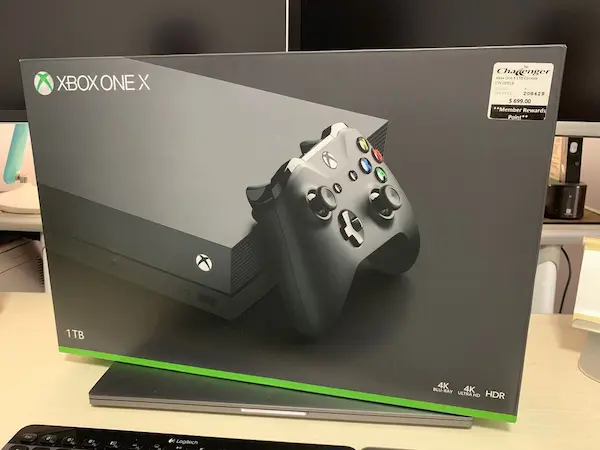
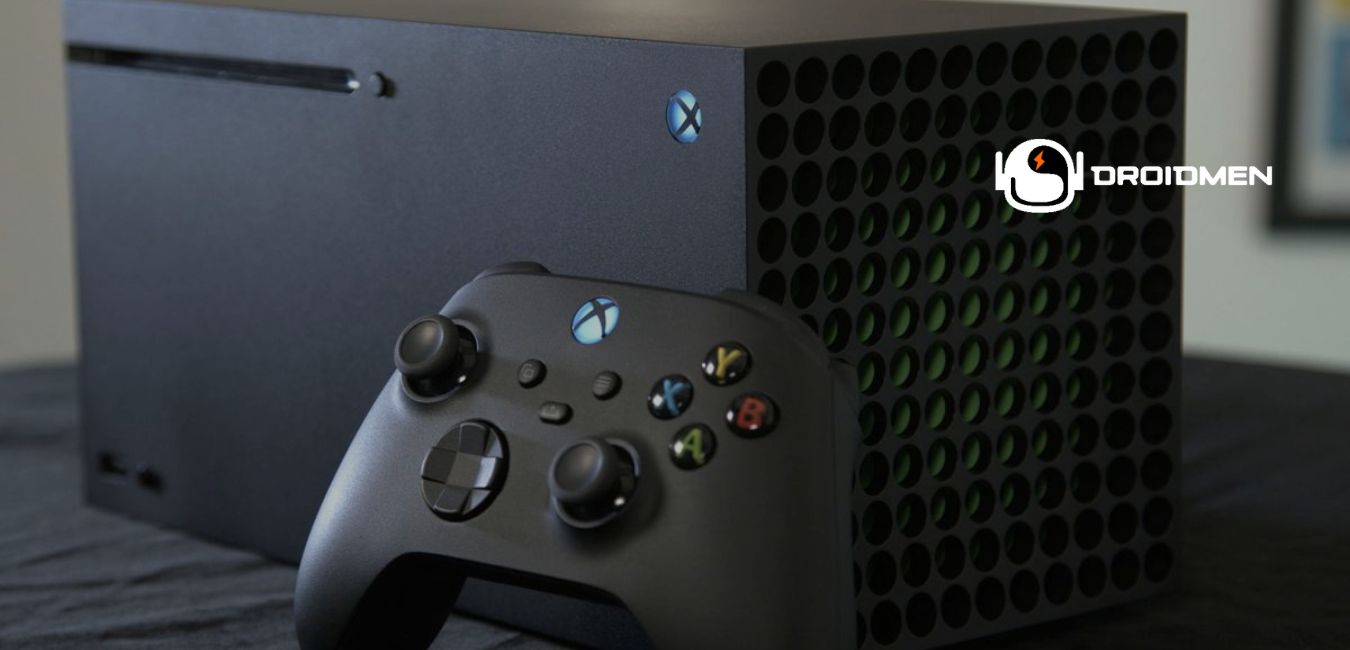
Looking ahead, Microsoft has exciting plans for the Xbox brand. In 2019, the company unveiled the Xbox Series X, the next generation of gaming consoles. With improved power and capabilities, including support for 8K resolution, the Xbox Series X aims to redefine the gaming experience.
Microsoft’s Project xCloud initiative is another significant development. By incorporating cloud gaming into Xbox Game Pass, players can access a wide range of games across multiple devices. This move positions Microsoft to compete with other cloud-based gaming services like Google Stadia.
As Microsoft continues to evolve the Xbox brand, the future looks promising. With a strong focus on innovation and customer satisfaction, the Xbox is poised to maintain its position as a leading force in the gaming industry.
Conclusion
The history of the Xbox is a testament to Microsoft’s commitment to delivering exceptional gaming experiences. From its humble beginnings to its current position as a powerhouse in the industry, the Xbox has continually pushed boundaries and captivated gamers worldwide. As the brand looks to the future, it remains dedicated to providing cutting-edge technology and a vast library of games to satisfy the ever-growing demands of its loyal fan base.
The Xbox Series X and Project xCloud demonstrate Microsoft’s determination to stay at the forefront of gaming innovation. With these advancements, the Xbox brand is set to continue its legacy of excellence and shape the future of gaming for years to come.