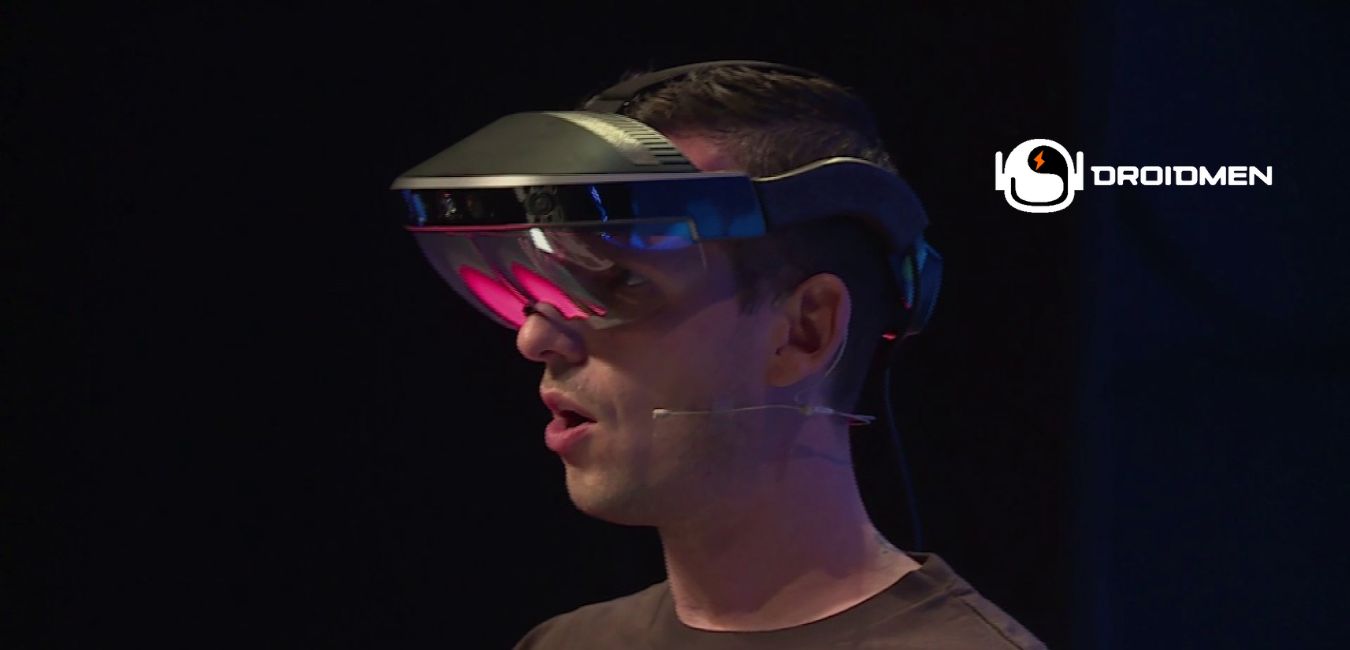
Welcome to the world of Augmented Reality (AR), a revolutionary technology that blends the real world with digital elements to create immersive and interactive experiences. In this comprehensive guide, we will explore the fascinating world of AR, its applications, key differences with Virtual Reality (VR), and the design challenges associated with creating AR experiences. Whether you are a curious beginner or an aspiring AR designer, this article will provide you with the knowledge and insights to understand and utilize this cutting-edge technology.
Table of Contents
What is Augmented Reality?
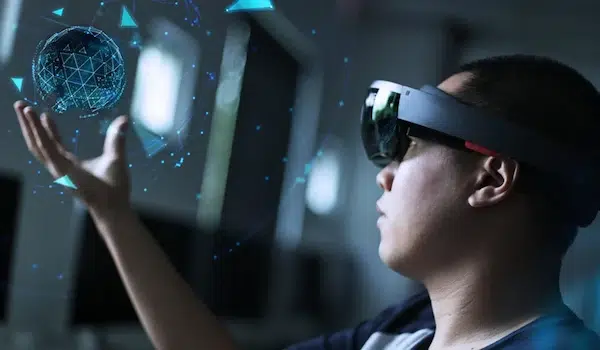
At its core, Augmented Reality (AR) is a technology that overlays digital information onto the real world, seamlessly integrating virtual elements like images, sounds, and videos into our physical surroundings. This blending of the real and virtual worlds is achieved through devices such as smartphones or AR glasses, allowing users to interact with digital content in a more intuitive and immersive way.
AR enhances our perception of reality by adding contextual and relevant information to our immediate environment. For example, imagine looking through your smartphone camera and seeing virtual furniture placed in your living room, or receiving real-time navigation instructions overlaid on the streets as you walk. These are just a few examples of how AR can transform our daily lives and enhance our understanding of the world around us.
Key Differences between AR and VR
While both Augmented Reality (AR) and Virtual Reality (VR) offer immersive experiences, they differ in their approach and applications. Understanding these key differences will help you appreciate the unique characteristics and potential of each technology.
Interaction
AR enables more direct interaction with the real world, as it overlays virtual elements onto our physical environment. Users can seamlessly interact with both the digital and physical worlds simultaneously. On the other hand, VR creates a separate and fully digital environment, isolating users from the physical world and immersing them entirely in virtual reality.
Use Cases
AR finds applications in a wide range of fields, from informational and everyday applications to industrial and medical scenarios. It is commonly used for navigation, education, gaming, marketing, and remote assistance. On the other hand, VR is predominantly used for entertainment purposes, such as gaming and virtual tours, as well as training, simulations, and scientific research.
Devices
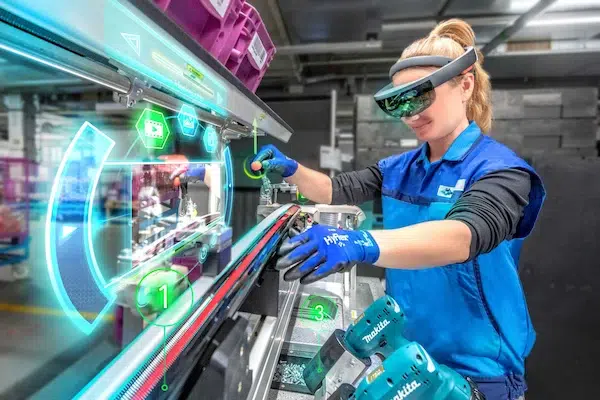
AR experiences can be accessed through various devices, including smartphones, tablets, and AR glasses. These devices offer a lightweight and portable solution for AR interactions. On the other hand, VR requires specialized headsets that provide a fully immersive experience by blocking out the physical world. These headsets are equipped with advanced sensors and displays to create a virtual environment.
Designing for Augmented Reality
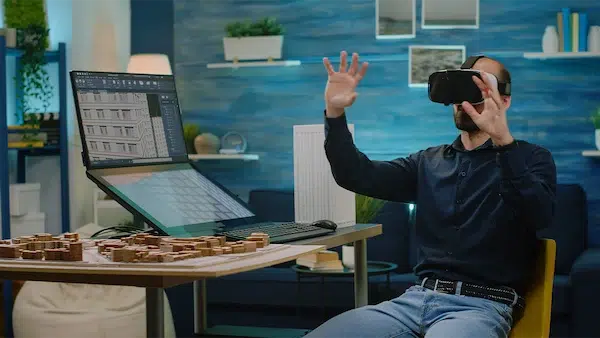
Designing for Augmented Reality (AR) requires careful consideration of the unique characteristics and challenges associated with this technology. Here are some key factors to keep in mind when creating compelling AR experiences:
User Comfort
One of the primary concerns in AR design is user comfort. Poor design choices can lead to motion sickness or discomfort, which can significantly impact the overall user experience. To ensure user comfort, designers must carefully consider factors such as frame rate, visual cues, and the overall ergonomics of the AR interface.
Interaction
AR design must focus on seamless integration between the physical and digital worlds. Designers need to create intuitive and natural interactions that enable users to interact with virtual elements in a way that feels organic and effortless. This involves considering factors such as gesture recognition, voice commands, and haptic feedback.
Immersion
While AR may not aim for complete isolation from the physical world like VR, it still aims to create a sense of immersion and engagement. Design considerations include audio design, realistic graphics, and smooth transitions between the real and virtual elements. By creating a cohesive and immersive experience, designers can captivate users and enhance their overall engagement.
Design Challenges in Augmented Reality
Designing for Augmented Reality (AR) comes with its own set of challenges. Here are some of the key challenges that designers must address to create successful AR experiences:
Hardware Limitations
Both AR and VR are constrained by current hardware capabilities. Designers need to consider the limitations of devices such as smartphones or AR glasses, including processing power, battery life, and display quality. By optimizing their designs to work within these limitations, designers can ensure smooth and seamless AR experiences.
Comfort and Safety
In VR, full immersion can lead to comfort issues and even safety risks. Designers must carefully consider factors such as motion sickness, eye strain, and ergonomics when creating VR experiences. By prioritizing user comfort and safety, designers can create immersive experiences that are enjoyable and accessible to a wide range of users.
Emotional Engagement
Both AR and VR have the potential to impact users emotionally. Designers must be mindful of the content they deliver, as sensitive or emotionally charged experiences can have a profound effect on users. Whether it’s creating a virtual therapy session or an immersive storytelling experience, designers must approach emotional engagement with care and responsibility.
Conclusion
Augmented Reality (AR) is a transformative technology that blends the real and virtual worlds to create immersive and interactive experiences. By understanding the key differences between AR and VR, designers can leverage the unique characteristics of each technology to create compelling and engaging experiences. However, designing for AR comes with its own set of challenges, including user comfort, interaction design, and hardware limitations. By considering these challenges and following best practices, designers can unlock the full potential of AR and create experiences that captivate and inspire users in this increasingly connected world.
Thank you for reading this comprehensive guide to Augmented Reality (AR) design. We hope you have gained valuable insights and knowledge that will empower you to explore and create innovative AR experiences. Embrace the possibilities of AR, and let your creativity reshape the way we interact with the world around us.