Yes, a drone can fly without a remote control if it’s programmed or uses an app, but it’s safer and better to use a controller.
Table of Contents
What Are The Safety And Reliability Concerns?
When a drone flies by itself, it can crash if something goes wrong. It needs good software, sensors, and safety checks to fly safely.
How Do Drones Fly Autonomously?
Autonomous drones operate without a pilot. Instead, they rely on pre-programmed routes, onboard sensors, and real-time data. Their software uses GPS, cameras, and obstacle detection to fly safely.
Yet, that doesn’t mean they’re foolproof. Reliable flight depends on continuous software updates and sensor calibration. One software glitch or faulty sensor can cause a crash.
What Is Return-To-Home And Why Is It Crucial?
When a drone loses connection mid-flight, a built-in return-to-home (RTH) feature is essential. It allows the drone to retrace its path and land safely. Before flying without a controller, always ensure RTH is enabled.
What Malfunctions Can Occur Without A Controller?
A drone without a controller increases the chance of unexpected errors:
- Battery failure
- GPS loss
- Collision due to obstacle misdetection
- Inability to respond to emergency changes
That’s why manual oversight remains critical, especially for recreational or commercial drone users.
Why Are Pre-Flight Checks Still Essential?
Even when you use drone app control, don’t skip the pre-flight checklist:
- Battery levels
- Firmware updates
- GPS calibration
- Sensor diagnostics
Taking 3–5 minutes to prep can prevent major issues in-flight.
What Are The FAA And Legal Restrictions?
The FAA says drones must follow rules, like flying where you can see them and not going too high. Flying without a controller can break these rules.
Is It Legal To Fly A Drone Without A Controller?
Not always. In the U.S., the FAA requires drone pilots to maintain line-of-sight with their aircraft. Even autonomous flights must have human supervision under Part 107 rules.
Flying fully autonomous drones in public spaces or over people without permission could result in heavy fines or legal action.
Tip: Always check local aviation authorities (e.g., FAA, CAA) before remote-less operations.
What’s The Future Of Remote-Less Drone Flight?
In the future, smart drones can fly on their own to do jobs like delivering packages or helping in emergencies, without needing a controller.
How Is Onboard AI Making Drones Smarter?
Modern autonomous drones use onboard AI to navigate environments in real-time. This allows drones to:
- Avoid obstacles
- Adjust routes dynamically
- Recognize visual cues like traffic signs or people
Expect future drones to perform complex tasks—like search and rescue or precision agriculture—without any human steering.
Where Are Autonomous Drones Already Used?
Autonomous drones already help with:
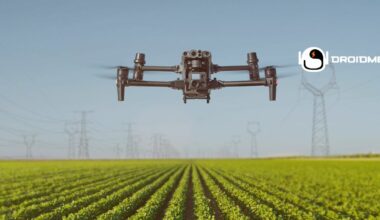
- Crop analysis on large farms
- Disaster mapping by emergency teams
- Surveillance in construction or border patrol
- Inventory tracking in large warehouses
As AI and sensor technology advance, fully remote-less drone flights will become more common.
What New Sensors Are Powering Smarter Drones?
Beyond cameras, drones now include:
- LIDAR (for depth mapping)
- Thermal sensors (to detect heat signatures)
- Chemical sensors (for gas leak detection)
These technologies allow drones to “sense” their surroundings, making autonomous flight safer and more precise.
What Are The Drawbacks Of Flying Without A Controller?
Without a controller, drones can crash, break rules, or take the wrong path, and you can’t easily stop them if something goes wrong.
| Challenge | Risk Level | Why It Matters |
|---|---|---|
| Malfunctions | High | No user to correct or land the drone safely |
| Legal Issues | High | Violating FAA rules can lead to fines |
| Privacy Invasion | Medium | Drones can capture unauthorized footage |
| Intervention Delay | High | Can’t react quickly to sudden changes |
| Weather Risks | Medium | No ability to redirect in storms or high winds |
Even though drones can fly themselves, human oversight is still key for safety and accountability.
Frequently Asked Questions
1. Do All Drones Come With A Remote Controller?
No. While most consumer drones include a remote, some drones are designed for autonomous tasks and use software-based flight plans. Others can rely solely on drone app control via smartphone or tablet.
2. Can You Fly A DJI Drone Without A Controller?
Yes. Some DJI drones can be controlled with a smartphone using the DJI Fly or DJI GO app. Yet, range, precision, and reliability are reduced compared to using the DJI controller. It’s not recommended—especially for new pilots.
3. Can You Use Your Phone As A Drone Controller?
Yes, many drones—especially toy-grade or entry-level models—support mobile apps for control. Yet, keep in mind:
- The signal range is shorter.
- Latency is higher.
- There’s a greater risk of interference.
For serious flying, a dedicated controller is more stable.
4. Can A Drone Fly Without A Camera?
Yes. Drones don’t need cameras to fly. Racing drones or acrobatic models often skip the camera to reduce weight and increase speed.
Final Thoughts: Can Drone Fly Without Remote Control?
Yes, drones can fly without a remote control—especially if they’re built for autonomous operations. Yet, for hobbyists, professionals, and even most commercial tasks, a controller offers more precision, control, and legal compliance.
When you’re curious to explore FPV flight, check out our blog on FPV Goggles for Drones and dive deeper into immersive flying.