Drones have become increasingly popular in recent years due to their numerous applications in various industries. From capturing breathtaking aerial footage for filmmakers to providing essential data for agriculture, drones have made a significant impact.
One type of drone that has been gaining popularity is the fixed wing drone. This article will explore the advancements and applications of fixed wing drones, including fixed-wing drones with cameras, fixed-wing FPV drones, and long-range fixed-wing drones.
Table of Contents
What Are Fixed Wing Drones?

Fixed-wing drones are unmanned aerial vehicles (UAVs) that have a rigid wing structure. These drones are designed to fly through the air by generating lift over their wings, which enables them to travel long distances and at high speeds.
Unlike rotor-based drones, fixed wing drones are not capable of hovering in place or vertical take-off and landing (VTOL), which means they require a runway or catapult to launch and land. Fixed-wing drones are commonly used in industries such as agriculture, surveying, mapping, and filmmaking, as they can cover large areas quickly and efficiently.
They can also be equipped with various sensors, cameras, and other payloads to gather data and capture high-quality images and videos from the air.
Design and Aerodynamics
Drones that have fixed wings look and work like airplanes. They have wings that stay in place, which helps them fly well. In this part, we talk about how their design and aerodynamics play a big part in their work.
Wing Structure
The wings of a drone are very important. They help the drone lift off the ground and stay in the air. Fixed-wing drones have long and straight wings, which help them glide through the air. The material of the wings is light but strong. This lets the drone fly for a long time without using much power.
Power and Propulsion
These drones have engines that give them the power to fly. Some drones use gas engines, while others use electric motors. The engine turns the propeller, which helps the drone move forward. Because of their design, fixed-wing drones can fly fast and cover long distances. This is great for many jobs, like taking pictures of big areas of land.
Control Systems
To fly a drone, you need a control system. This includes a remote control and sometimes a computer program. The person flying the drone uses the remote to tell it where to go. The drone also has sensors and computers inside it. These help the drone know where it is and keep it stable in the air. With these tools, the person flying the drone can make sure it goes exactly where it needs to.
What Is the Advantage Of A Fixed Wing Drone?
One of the main advantages of fixed-wing drones is their efficiency. These drones can fly long distances and cover large areas quickly, making them ideal for missions that require extensive coverage. These drones also have a longer flight time than rotor-based drones, which means they can stay in the air for longer periods and collect more data.
Additionally, these types of drones are more stable in flight and can withstand harsh weather conditions better than rotor-based drones, making them ideal for missions that require flying over rough terrain or in challenging weather.
Advancements in Fixed-Wing Drones
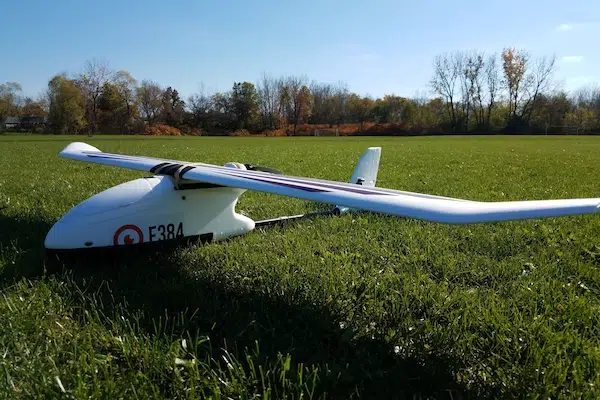
Fixed-wing drones are unmanned aerial vehicles (UAVs) with a rigid wing structure. These drones can fly long distances and at high speeds, making them ideal for surveying large areas quickly. In recent years, advancements in fixed-wing drone technology have made them more accessible, reliable, and efficient.
One of the significant advancements in these drones is their ability to fly autonomously. This means that these drones can be pre-programmed with a flight plan, and they will fly without any human intervention. This feature has made them more efficient and has reduced the need for skilled pilots to operate them.
Another advancement in fixed wing drones is their durability. These fixed drones are now made of high-quality materials that make them more resistant to crash damage and environmental factors such as wind and rain. This durability has made them more reliable for missions that require long-range flights over harsh terrains.
Fixed Wing Drone with Camera
Fixed wing drone with cameras have become increasingly popular in various industries, such as filmmaking, real estate, and surveying. These drones are equipped with high-quality cameras that can capture stunning aerial footage and images as these drones are applied in different fields.
These drones with cameras are ideal for capturing large areas quickly and efficiently. They can be used to create 3D maps, aerial surveys, and even monitor wildlife.
In filmmaking, fixed-wing drones with cameras have replaced helicopters as the go-to aerial filming equipment. These drones can capture previously impossible footage, making them an essential tool for filmmakers.
Fixed Wing FPV Drone
Fixed-wing FPV (first-person view) drones are another type of fixed-wing drone that has become popular in recent years. These drones are equipped with a camera that streams live footage to a remote control device, allowing the pilot to see the flight path in real time.
Fixed wing FPV drones are ideal for racing and aerial acrobatics. They can reach high speeds and perform tight maneuvers, making them an exciting tool for hobbyists and enthusiasts. Fixed-wing FPV drones are also being used in various industries, such as search and rescue, where they can cover large areas quickly and efficiently.
Long Range Fixed Wing Drone
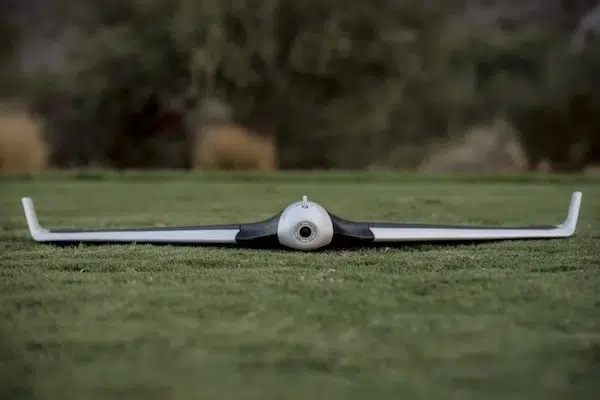
These drones are designed to fly over long distances, making them ideal for missions that require extensive coverage. These drones are best for flying long hours at a time and cover hundreds of miles, making them an essential tool for industries such as oil and gas, surveying, and agriculture.
Long range fixed wing drones are equipped with advanced technology such as GPS, sensors, and cameras, allowing them to operate autonomously and collect data over vast areas. They can also be used for environmental monitoring and disaster response, where they can provide critical information and assist in rescue missions.
FAQs
What is the range of a fixed-wing drone?
The range of a fixed-wing drone varies depending on the model and its intended use. Some fixed-wing drones can travel up to 100 miles on a single charge, while others can cover even longer distances using fuel-powered engines. The range of a fixed-wing drone can also be extended by using ground stations or relays to maintain communication with the drone over long distances.
How fast are fixed-wing drones?
The speed of fixed-wing drones can vary depending on the model and its intended use. Some drones are designed for speed and can travel up to 100 mph, while others are designed for endurance and have a slower cruising speed. The speed of a drone can also be affected by factors such as wind speed and direction.
What are the uses of fixed-wing drones?
Fixed-wing drones have a wide range of uses across various industries. In agriculture, fixed-wing drones can be used to monitor crop health, map fields, and assess soil conditions. In the mining and construction industries, fixed-wing drones can survey sites, create 3D models, and track progress.
Fixed-wing drones are also commonly used in filmmaking, real estate, and surveying for their ability to capture high-quality aerial footage and images. Additionally, fixed-wing drones can be used for environmental monitoring, disaster response, and search and rescue missions.
Conclusion
As technology advances, we expect to see more innovations in fixed-wing drones. These developments will revolutionize various sectors, including agriculture drone applications, environmental monitoring, and emergency response services.
However, with the advancements in drone technology come new regulations and safety concerns. It is crucial for drone pilots to abide by the rules and regulations set by their respective countries’ aviation authorities to ensure the safety of themselves and others.