Have you heard about long range drones but are unsure whether it is worth splurging the cash? Looking for some great drones to purchase but have a few concerns?
If you’ve ever wanted to fly a drone, then it’s likely that you’re familiar with the concept of range. That’s because every drone can be used for different purposes, and flying distances can vary greatly depending on your drone type and how skilled you are at using it.
Toy drones, considered novelties, have fewer than one hundred yards of flight range. The consumer and commercial drones currently available at higher price points and with more advanced features often have substantially longer flight ranges, typically from 4 to over 9 miles.
People who require a drone with a long range for a variety of uses should look into purchasing a DJI Air 2S. If you need a low-cost, long-range drone for touring and entertainment purposes, then the DJI Mini 2 is the one for you. If you are looking for a drone with a great camera and range, then the Mavic 3 is the one for you.
Table of Contents
Which Drone is a Long Range Drone?
There are many long-range drones available on the market. But here are the 5 best long-range drones.
Feature | DJI Mavic 3 | Autel Evo II Pro | Yuneec H520 | Skydio 2+ | Parrot Anafi Ai |
Image |   |   |   |   |   |
Camera | 20MP Hasselblad camera, 12MP telephoto camera | 8K camera, 64MP wide-angle camera 8K camera, 64MP wide-angle camera | 4K camera | 4K camera | 4K camera, 48MP wide-angle camera |
Flight time | 46 minutes | 40 minutes | 28 minutes | 32 minutes | 26 minutes |
Maximum flight distance | 15 kilometers | 9 kilometers | 7 kilometers | 8 kilometers | 4 kilometers |
Weight | 899 grams | 905 grams | 3.6 kilograms | 3.3 kilograms | 320 grams |
Obstacle avoidance sensors | Yes | Yes | Yes | Yes | No |
Foldable design | Yes | Yes | No | No | Yes |
Other features | Omnidirectional obstacle avoidance, 4/3 CMOS sensor | 1-inch CMOS sensor, obstacle avoidance | Rugged design, stabilized gimbal | Obstacle avoidance, 360° view | AI features |
Price |
How to Choose a Long-Range Drone?
Picking the right long-range drone can be easy. Just follow these steps. I’ll explain each one to help you make a good choice.
Define your purpose
Knowing why you need a drone is the first step. Some people want drones for fun, like flying around a park. Others might need it for serious work, like land mapping or search and rescue.
You might want a drone to take high-quality aerial shots if you’re a photographer. Once you know why you want a drone, you can look for specific features that serve that purpose.
Set a budget
Drones come in a wide range of prices. You can find drones for as low as $100, and others that cost more than $2,000. Decide how much you can spend before you start shopping.
This will narrow down your options. Keep in mind that high-cost drones often have more features and better quality. But sometimes a less expensive drone will do the job just fine.
Research brand reliability
Not all drones are made the same. Some brands are known for making durable and reliable drones. Others might not last as long. Look for reviews online or ask for recommendations from friends.
Brands like DJI, Autel, and Skydio often get high marks for reliability and performance. Make sure the brand you choose has a good reputation.
Check flight time
Flight time is how long the drone can stay in the air on one battery charge. Most consumer drones offer a flight time between 20 and 50 minutes.
You might have to buy extra batteries if you need longer air time. Or look for a drone that has a longer-lasting battery. Check the drone’s specs to find this information.
Consider camera quality
The camera is a big deal if you plan to take photos or videos. Check the camera specs carefully. Look for the number of megapixels and also check if it has video capabilities. Some drones offer 4K video, which is very high quality.
Others might only offer 1080p, which is still good but not as clear. Some drones also have camera stabilization features, making sure your shots aren’t shaky.
Features to Consider in a Long-Range Drone
Choosing a long-range drone? Focus on some key features. I’ll break them down for you so you can pick the best drone for your needs.
Maximum flight distance
How far a drone can fly is very important. Some drones can go up to 5 miles. Others may only reach a distance of 1 mile. It’s important to match the drone’s range to your needs.
For example, if you’re using a drone for land surveys, you might need one that can cover a large area.
Battery life
The drone’s battery life tells you how long it can stay up in the air. Most drones offer between 20 and 50 minutes of flight time. But if your task needs more time, you’ll want a drone with longer battery life. Some people buy extra batteries to extend their flight time.
GPS and navigation
GPS is key for many drone tasks. It helps the drone know where it is and helps you keep track of it too. This feature is very helpful for safe and accurate flying. Some drones also have advanced navigation tools that allow them to follow a set path or avoid obstacles.
Safety and return features
What if your drone starts to lose its signal? Or what if the battery gets too low? Safety features can bring the drone back to its starting point.
Many drones have a “Return Home” button. When you press it, the drone comes back. Make sure your drone has safety features like this.
Camera resolution and stabilization
Taking pictures or videos? The camera quality will matter a lot. Two key things to look for are resolution and stabilization.
Higher resolution, like 12 or 16 megapixels, means clearer pictures. Stabilization helps keep the camera steady, so your shots look smooth, not shaky.
Challenges and Limitations
Even the best long-range drones have some challenges and limitations. Let’s talk about what you need to watch out for.
Regulatory Restrictions
Drones must follow laws. In the U.S., the FAA sets these laws. They say where you can and can’t fly. For example, you can’t fly near airports. You might also need a license to fly a drone for work. Always check the laws in your area before you fly.
Interference Issues
Drones use signals to connect to your controls. But other things, like Wi-Fi and cell towers, also use signals. These can mess with your drone’s controls.
To fix this, some drones switch to a clearer signal on their own. Always test your drone in a safe space first to make sure it works well.
Weather Conditions
Drones don’t like bad weather. Rain can damage them. Strong wind can blow them off course. Always check the weather before you fly. Look for a calm and clear day. This gives you the best chance for a safe flight.
Maintenance Considerations
Drones have many parts that can break. Like the propellers and the battery. Keep extra parts handy. Learn how to fix small issues. Some drones tell you when they need repairs. Listen to these warnings to keep your drone in good shape.
Ethical Concerns
Drones can take pictures from the air. This can be a problem if you take pictures of people without asking. Always respect others’ privacy. Only take pictures of people or their property if you have permission.
Frequently Asked Questions
Which Drone Has the Longest Range?
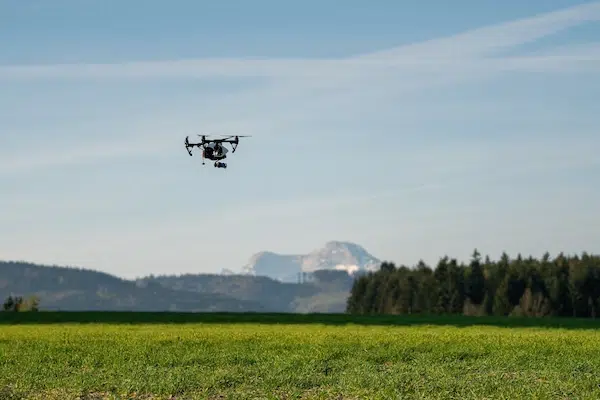
The distance a drone can fly is based on the weight of the drone, its capacity, and its ability to stay in the air.
The heavier your drone is, the longer it will take for you to get somewhere with it. The bigger or more powerful batteries with each model are usually better than smaller ones because they can store more energy, giving you that extra juice.
The best four choices in the context of the range of the drone include the following:
- DJI Air 2S (Best all-in-one drone)
- DJI Mini 2 (Cheapest long-range drone)
- Mavic Air 3 (Best long range drone with camera)
- Autel Robotics EVO II (Best flight performance drone)
- DJI Phantom (Best semi-professional camera drone)
Can A Drone Fly For 2 Hours?
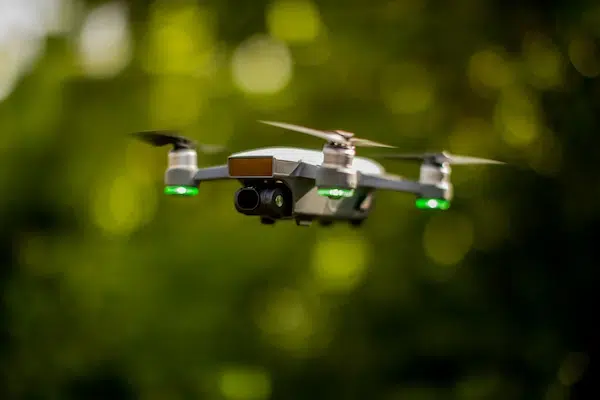
You might wonder how long a drone can fly and how many minutes you’ll get out of your investment.
Most of today’s drones are designed to fly for up to 25 minutes, with some models lasting longer than others. The typical amount of time that a drone may remain airborne at the intermediate level is roughly 22 minutes. The flight time of high-end consumer drones is usually around 28 minutes on average.
Certain high-end drones and fixed-wing aircraft, capable of flying for several hours at a time, are the only exceptions to this rule.
Can A Drone Fly 10 Miles?
The range of the drone is determined by the drone’s mode, the model’s configuration, and the drone’s desired flight distance.
Most high-end drones have a flight range of at least 5 kilometers. Additionally, due to technological advancements and battery life, it is not unusual for certain drones to have a range of at least 10 kilometers.
What Happens If I Fly My Drone Too High?
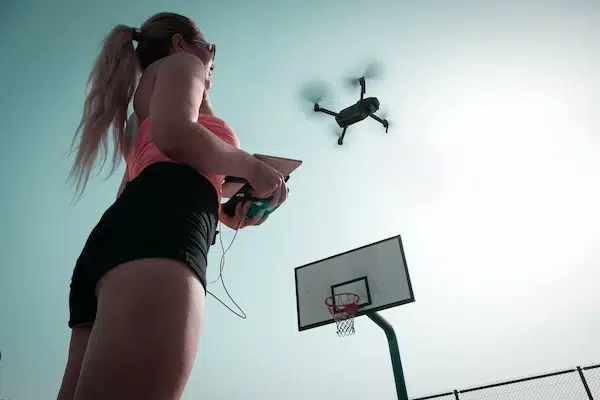
If you fly a drone higher than 400 feet, not only do you risk colliding with another aircraft, but the Federal Aviation Administration has the authority to punish you, suspend your drone certificate, or even revoke it entirely.
In addition, there is a possibility that you will lose sight of your drone. The top speed is 100 miles per hour (87 knots).
Tips Before Buying A Drone
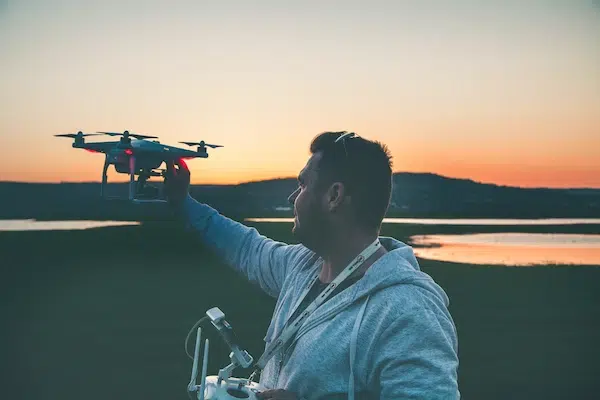
We have compiled a list of characteristics that support the creation of a high-quality long-range drone. Look for the following before buying a drone:
- Stable and low-latency Transmission System
- Obstacle avoidance system
- Excellent Flight Performance
- Portability
Drones are becoming more popular among consumers and professionals alike. You can use them to take amazing photos and videos, but they also have many other uses. Before buying a long range drone, it’s best to consider your needs and requirements.
Do you want to know How Fast a Drone Can Fly? Read this blog.