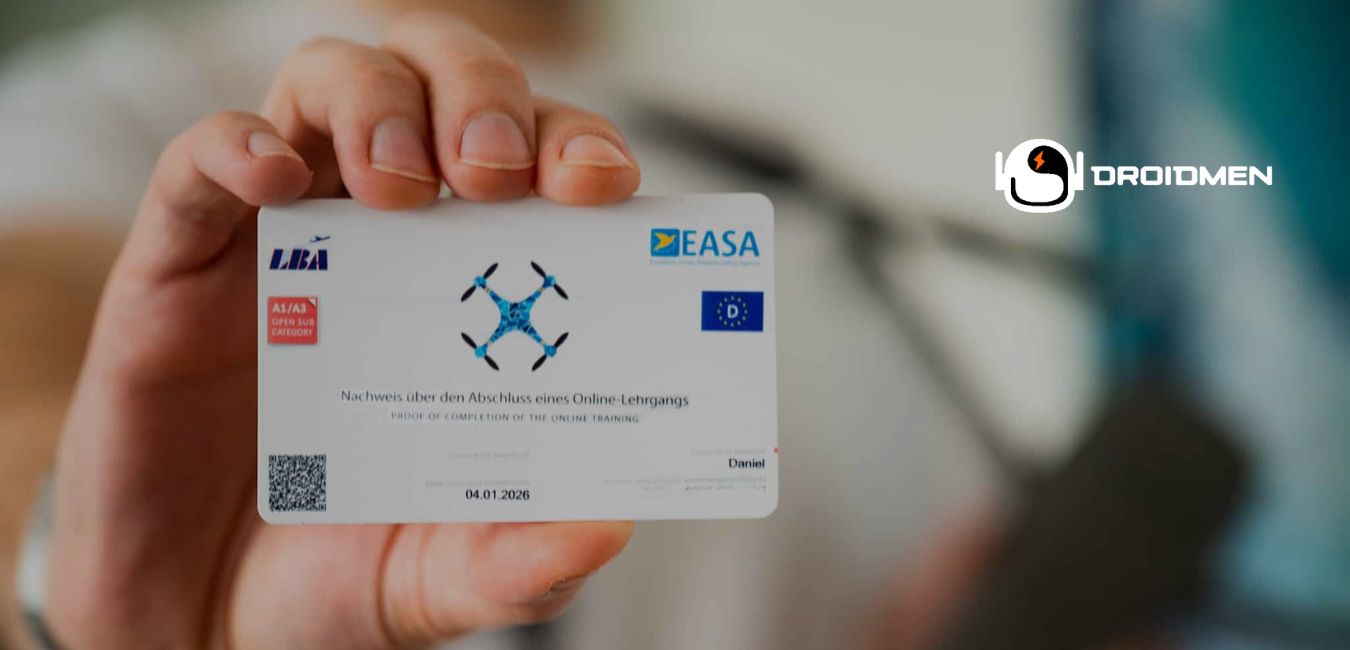
Drones are popular for both fun and work. Knowing when you need a license is also crucial to operating them legally. So, when do you need a drone license?
You need a drone license when your drone weighs more than 250 grams. Again, this is when you’re using it for business purposes. Licenses are also required for flying in controlled airspace and for specific tasks. For example, research or delivery. Always check local rules, as they can vary.
Here, we’ll explain the requirements for drone licensing. We’ll also discuss the different types of licenses available and how to get a license. We’ll also focus on the consequences of flying without one. Read this complete article to learn more.
Table of Contents
Key Takeaways
- Drone Weight: When your drone weighs over 250 grams, you must get a license to fly it.
- Purpose Of Use: You must have a drone license for your drone. This is for any business-related activities.
- Location: A license is required to fly a drone in areas near airports or under strict flight rules.
Criteria For Requiring A License
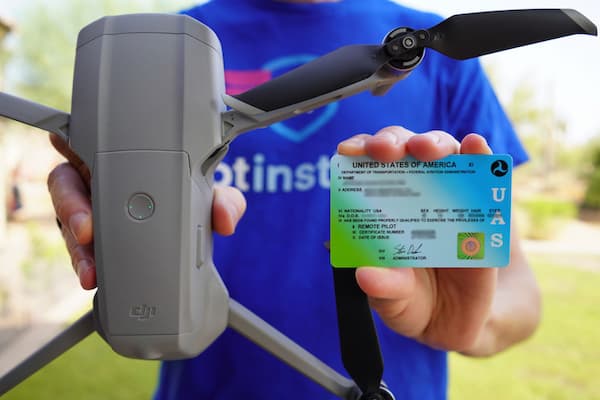
Let’s start our discussion with the criteria for requiring a license. This includes drone weight and license and recreational vs. commercial use. It also includes special use cases and flying in controlled airspace. Let’s better understand them.
Drone Weight And Type
In many countries, you will need a license if your drone weighs more than 250 grams. This weight limit applies to many drones, not just small toys. The 250-gram rule is based on safety, as heavier drones could cause more damage if they crash.
It’s important to check this before you fly, as flying a heavier drone without a license could get you into trouble.
Recreational Vs. Commercial Use
Flying a drone for fun won’t require a license if it’s lightweight and flown in safe zones. Still, when you use a drone for any business purpose, such as photography for a company, you must have a commercial drone license.
This rule applies to all drones, no matter how small. It ensures that all drone activities related to business are performed safely and legally. Always check local regulations to stay compliant.
Special Use Cases
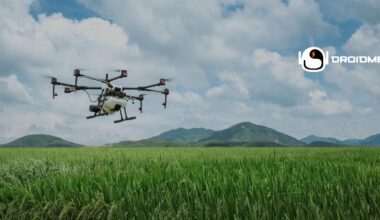
Drones doing specific jobs like checking crops in farming or doing science research often need a special license. This special license makes sure that the person flying the drone knows how to use it safely and properly in these important tasks.
These rules help prevent accidents and make sure the drone is used right for the job it’s doing. Always get the right license for your drone’s purpose to follow the law.
Flying In Controlled Airspace
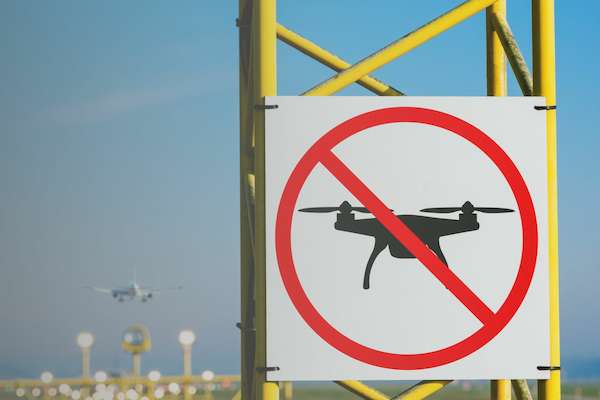
When you plan to fly a drone near airports or in areas with other aircraft, you must have a license. This rule helps prevent accidents by ensuring drone operators know how to avoid interfering with planes and helicopters. It’s crucial for keeping everyone in the air safe.
Remember, flying a drone in these areas without a license is illegal and can lead to serious consequences. Always check local flight rules before you fly.
Types Of Drone Licenses
Let’s move on to types of drone licenses now. These include recreational flying licenses and commercial drone operator licenses. They also include specialized licenses for specific operations. Let’s learn more about them.
Recreational Flying License
A recreational flying license is designed for hobbyists who fly drones for fun. These drones are usually lightweight, and getting this license doesn’t involve as many rules as the commercial one.
While commercial licenses require a thorough understanding of many regulations and possibly more challenging exams, recreational licenses focus on basic safety and flying guidelines.
It’s perfect for those who want to enjoy flying without the complexities of commercial use. Always ensure to follow local laws to fly safely.
Commercial Drone Operator License
A commercial drone operator license is necessary for anyone using a drone for business, such as filming or surveying land. This license proves that you know the detailed rules and safety steps for business use.
Getting this license includes learning specific laws and passing tests on how to operate drones safely and responsibly in various business settings. It’s crucial to have this license to avoid legal issues and ensure public safety during drone operations.
Specialized Licenses For Specific Operations
For complex drone operations, such as flying long distances or beyond what you can see (BVLOS or Beyond Visual Line of Sight), you often need a specialized license. This license is important because it covers extra safety training for handling tricky situations far from the operator.
These rules ensure that the drone does not harm or interfere with other aircraft. Obtaining this license ensures that you are prepared and authorized to manage these higher-risk flights safely.
The Licensing Process
In this section, we’ll discuss the licensing process. This includes the application steps and the training requirements. It also includes the examination details and renewal procedures. Let’s get into the discussion.
Application Steps
To obtain a drone license, complete an application on your country’s aviation authority website. You’ll need to enter personal information and details about your drone, like its type and weight.
This process helps ensure that all drone operators are registered and their equipment is suitable for safe operation. It’s essential to keep track of who is flying drones and make sure they know the safety rules to prevent accidents.
Always keep your information updated and follow the guidelines provided.
Training Requirements
Getting a drone license usually involves taking a training course online or in person. These courses teach you how to fly your drone safely, understand where you can and cannot fly (airspace rules), and respect people’s privacy while flying.
This training is essential to make sure all drone pilots know the rules and can avoid accidents. This step helps maintain safety for everyone, both in the air and on the ground. Make sure to complete your training to fly legally and responsibly.
Examination Details
After completing your drone training, you must pass an exam. This test checks whether you understand the rules for flying drones, know how to keep things safe, and can handle a drone properly. The exam ensures that all drone pilots are prepared and can fly without causing problems or dangers.
It’s crucial to ensure everyone flying a drone is responsible and knowledgeable. Success in this test means you’re ready to fly your drone legally and safely.
Renewal Procedures
Drone licenses must be renewed every few years to ensure pilots understand and follow the flying rules. During renewal, you’ll have to retake the test or show you remember all the safety procedures.
This process helps keep the skies safe by ensuring that all drone pilots know the latest rules and techniques. Keeping your license current is vital for continuing to fly your drone legally and safely.
Penalties For Unlicensed Drone Operations
Before ending our discussion, let’s learn the penalties for unlicensed drone operations. These include legal consequences, fines, and restrictions, as well as the impact on future licensing. Keep reading to grasp all the details.
Legal Consequences
Flying a drone without the required license is illegal and very serious. When you fly without a permit and put others at risk, you could face criminal charges, including going to jail. This rule keeps everyone safe, including people on the ground and other aircraft in the sky.
Always have the correct license before you fly your drone to avoid these severe consequences.
Fines And Restrictions
You can face hefty fines when you fly a drone without the proper license. Authorities take this seriously because it’s about keeping everyone safe. Besides the penalties, you’ll also be banned from flying drones in the future if you break the rules.
This is to prevent further unsafe flying. Always make sure you have the correct license to avoid these penalties and continue enjoying flying your drone legally.
Impact On Future Licensing
Getting caught flying a drone illegally can affect your chances of getting a drone license later. Authorities can view you as a higher-risk pilot because you previously broke the rules.
This makes obtaining a license more challenging, as trust and responsibility are essential for safe drone operation. Always follow the rules and apply for a suitable license to ensure you can keep flying your drone without any issues.
FAQs
1. What Are The Requirements To Obtain A Commercial Drone License?
To obtain a commercial drone license, you must be of legal age, pass an aeronautical knowledge test at an FAA-approved testing center, and undergo a TSA security screening. Regular updates to your knowledge through recurrent tests every 24 months are also required to maintain your license.
2. Are There Any Exceptions To The Drone Licensing Requirements?
Yes. There are exceptions to drone licensing requirements. When your drone weighs under 250 grams and is used for recreational purposes only, you typically do not need a license. Still, always check local regulations. This is because they can vary by location and specific airspace rules.
3. Are There Any Restrictions On Where I Can Fly With A Drone License?
Yes. Even with a drone license, there are restrictions on where you can fly. You cannot fly near airports, in national parks, or crowds without special permission. Always avoid restricted airspace. Also, follow local regulations. Maintain these things to ensure safe and legal drone operation.
When Do You Need A Drone License: Conclusion
Flying a drone can be really fun and helpful, whether you’re doing it just for a hobby or for work like taking pictures or videos. Still, knowing when you need a drone license is very important. Having a license means you understand all the rules about where and how to fly your drone safely.
This helps keep you and everyone around you safe. Not all drones need a license. It depends on how heavy they are and what you use them for. For example, small, lightweight drones used for fun won’t need a license.
Yet, when you use a drone for any kind of work, you usually need a license, no matter how small the drone is. There are also places where you can’t fly drones, like near airports or over big groups of people, unless you have special permission. These rules help prevent accidents and problems in the air.
Always check the drone rules that apply where you live. They can be different depending on the place. Knowing and following these rules is key to having a good time flying your drone while also being safe and respectful of others.