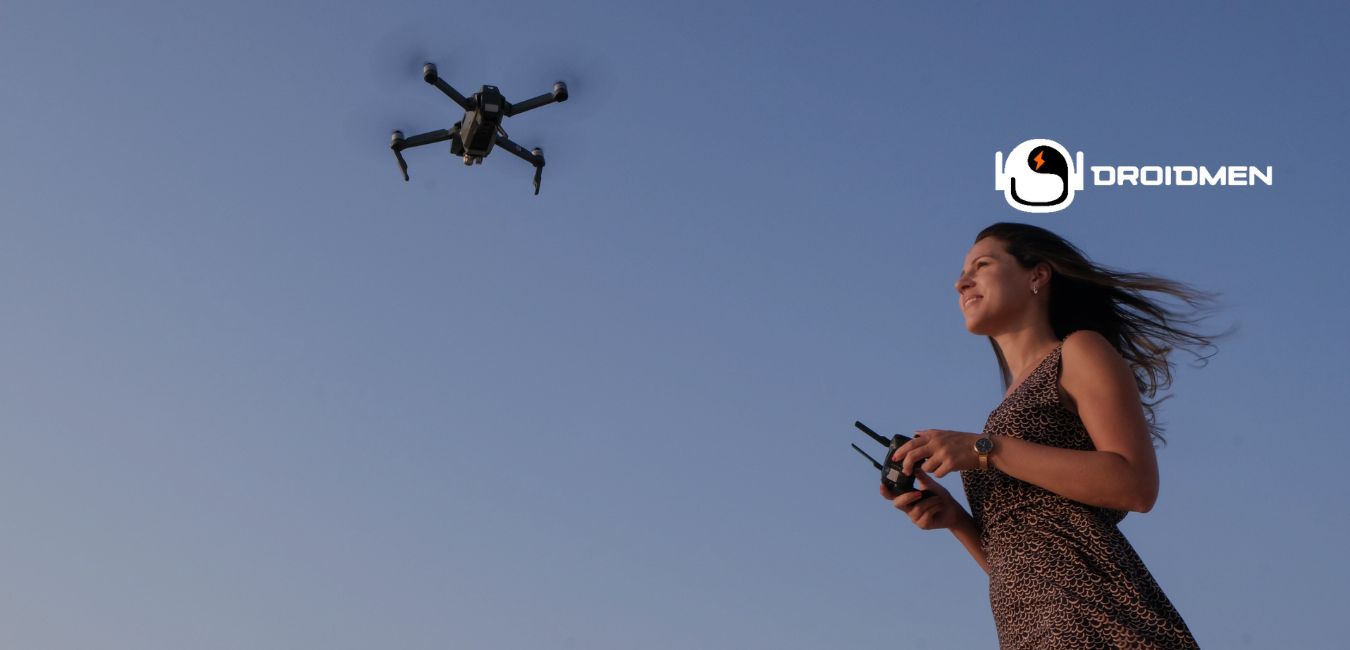
Drones, also known as unmanned aerial vehicles (UAVs), have rapidly gained popularity and utility in various industries over the past decade. Equipped with sensors, cameras, and advanced technology, these versatile devices are operated remotely or autonomously to perform a wide range of tasks.
With advancements in technology and cost reduction, drones have become increasingly accessible, offering ease of use and expanding their applications across different sectors.
In this comprehensive article, we will address the question “What are drones used for?” and explore the multifaceted applications of drones and delve into their diverse uses across a wide range of industries.
Table of Contents
Applications Of Drones In Various Fields
Commercial Applications Of Drones
Commercial applications of drones have witnessed significant growth and have become increasingly prevalent in various industries.
Aerial Photography And Videography
Real Estate And Property Surveying
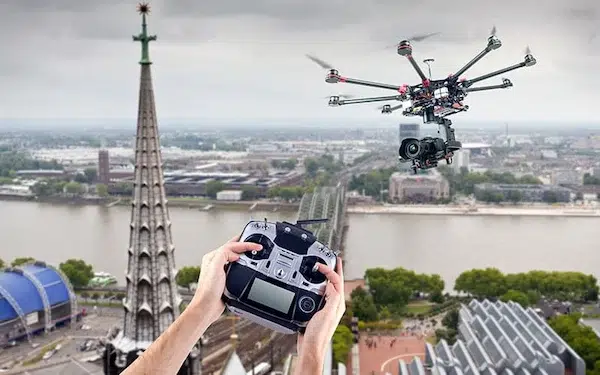
Drones have revolutionized the field of real estate by providing stunning aerial views of properties. They allow real estate agents and potential buyers to obtain a comprehensive overview of the land, surrounding areas, and property conditions.
In the real estate sector, combining drone imagery with GPS survey equipment has become a game-changer. This integration ensures accurate property measurements and boundary delineations, elevating the precision and value of property assessments for both agents and clients.
Moreover, drones equipped with high-resolution cameras capture images and videos that are used in property listings and marketing materials.
Wedding And Event Coverage
In the world of weddings and events, drones have become a popular choice for capturing unique aerial footage. These devices can record breathtaking shots from above, providing a different perspective and adding a touch of creativity to the videos and photographs.
Additionally, drones offer a memorable way to document special occasions and create lasting memories.
Delivery Services
E-commerce And Package Delivery
Drones have the potential to revolutionize the delivery industry by providing efficient and rapid transport of packages. Companies, especially those in the e-commerce sector, are exploring the use of drones to deliver small items directly to customers’ doorsteps. This approach could significantly reduce delivery times and costs while enhancing customer satisfaction.
Medical Supplies Transportation
In remote or inaccessible areas, drones can be utilized to transport medical supplies and equipment swiftly. They have the ability to reach affected regions faster than traditional methods, ensuring critical resources reach those in need promptly.
Furthermore, drones play a crucial role in improving healthcare access, particularly in emergency situations and disaster-stricken areas.
Inspections And Maintenance
Infrastructure And Construction Site Inspections
Drones are increasingly employed for inspecting infrastructure and construction sites. Equipped with high-resolution cameras and sensors, they can assess the condition of buildings, bridges, and other structures quickly and efficiently. This technology enables inspections to be conducted safely, reducing the need for manual inspections in hazardous environments.
Power Line And Pipeline Inspections
Drones equipped with thermal imaging cameras and advanced sensors can efficiently monitor and detect issues such as leaks, faults, or structural damage. These inspections are crucial for ensuring the reliability and safety of energy transmission and distribution systems.
Recreational Uses Of Drones
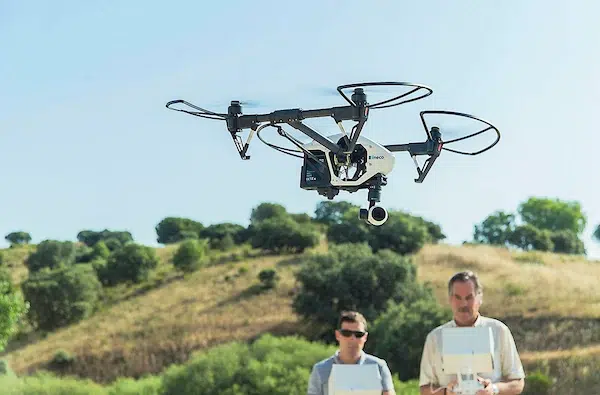
Drones have not only found utility in commercial applications but have also become a popular choice for recreational activities.
Aerial Photography And Videography For Hobbyists
Drones have opened up new possibilities for hobbyist photographers and videographers. Enthusiasts can capture stunning aerial shots of landscapes, wildlife, and cityscapes, adding a unique perspective to their creative endeavors.
With user-friendly controls and advanced camera capabilities, drones have become an accessible tool for photographers and filmmakers to unleash their creativity.
Racing And Competitive Drone Flying
The emergence of drone racing as a sport has gained significant traction in recent years. Drone enthusiasts participate in thrilling races, navigating their drones through challenging courses at high speeds. These events showcase the agility and maneuverability of drones while providing an exciting experience for both participants and spectators.
Exploration And Adventure Photography
For outdoor enthusiasts and adventurers, drones offer a thrilling way to document their explorations. Drones can capture breathtaking footage from remote and inaccessible locations, including mountains, forests, and bodies of water. This technology allows adventurers to relive and share their experiences while showcasing the beauty of the natural world.
Environmental And Conservation Applications
If you are wondering what are drones used for besides taking aerial photos and videos, here are 3 of their environmental and conservation applications:
Wildlife Monitoring And Research
Drones have become valuable tools in wildlife monitoring and research efforts. They enable scientists and conservationists to study animal behavior, track migrations, and monitor endangered species.
Additionally, drones equipped with specialized sensors and cameras can collect data without disturbing natural habitats, providing crucial insights for wildlife preservation and management.
Environmental Monitoring And Mapping
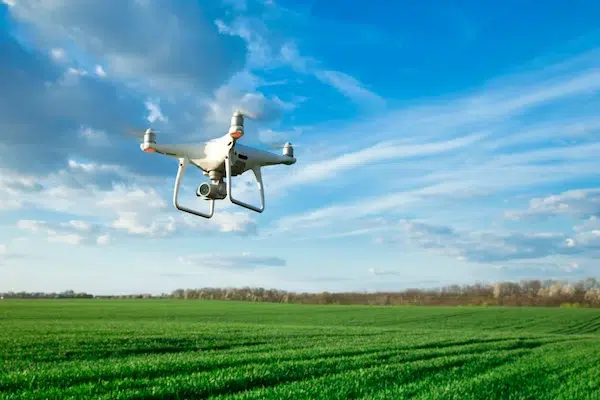
Drones equipped with environmental sensors are utilized for monitoring and mapping ecosystems, including forests, wetlands, and coastal areas. These devices can collect data on vegetation health, water quality, and pollution levels, aiding in environmental assessments and conservation planning.
Moreover, drones enable researchers to gather detailed and real-time information, contributing to more effective environmental management.
Anti-Poaching And Surveillance Efforts
Drones are increasingly employed in anti-poaching and surveillance activities to combat illegal wildlife trade and protect endangered species.
Equipped with thermal imaging cameras and GPS tracking systems, drones can monitor vast areas, detect poachers, and provide valuable intelligence to authorities. These aerial surveillance tools play a vital role in safeguarding wildlife and combating illegal activities.
Military And Defense Applications
Reconnaissance And Surveillance Missions
Drones have become integral to military and defense operations, particularly in reconnaissance and surveillance missions. They provide real-time aerial intelligence, allowing military personnel to monitor enemy positions, assess potential threats, and gather crucial information without putting human lives at risk.
On top of that, drones enhance situational awareness and enable more effective decision-making.
Target Identification And Tracking
In military contexts, drones equipped with advanced sensors and target recognition technology assist in identifying and tracking potential threats. These devices can provide accurate and timely information about enemy positions, movements, and activities, supporting military operations and enhancing overall battlefield awareness.
Delivery Of Supplies And Equipment
Drones play a significant role in military logistics by enabling the delivery of supplies and equipment to remote or inaccessible areas.
In challenging terrain or during emergency situations, drones can transport critical resources, such as medical supplies, ammunition, and humanitarian aid, quickly and efficiently, ensuring the needs of military personnel and affected populations are met.
Humanitarian And Disaster Relief Uses
Search And Rescue Operations
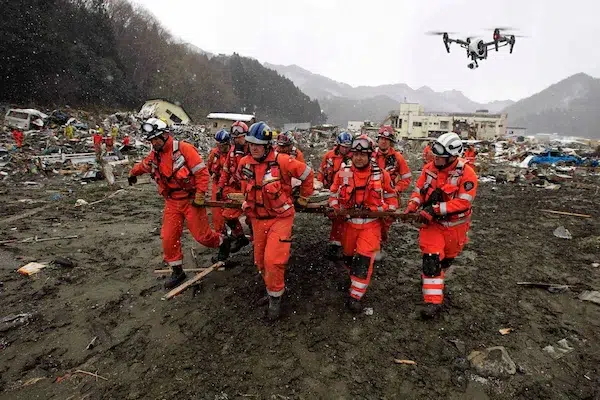
During natural disasters or search and rescue missions, drones are invaluable tools for locating missing persons or survivors in challenging environments.
Equipped with thermal imaging cameras and high-resolution sensors, drones can cover large areas and provide real-time footage to guide rescue teams. They expedite search and rescue efforts, increasing the chances of finding and saving lives.
Disaster Damage Assessment And Mapping
After disasters like earthquakes, hurricanes, or wildfires, drones are deployed to assess the extent of damage and map affected areas.
By capturing aerial imagery and creating detailed maps, drones aid in disaster response planning and resource allocation. This information enables organizations to coordinate relief efforts and prioritize areas in need of assistance.
Aid Delivery To Remote Or Inaccessible Areas
Drones have the potential to deliver aid to remote or inaccessible areas, where traditional transportation methods are limited or inefficient. Whether providing medical supplies, food, or water, drones can reach affected populations faster, particularly in challenging terrains or areas with damaged infrastructure.
Privacy And Ethical Concerns
Invasion Of Privacy Concerns
The proliferation of drones has raised concerns about privacy infringement. The ability of drones to capture images and videos from above has led to debates about the appropriate usage and potential misuse of this technology.
Striking a balance between the benefits of drone usage and the protection of individuals’ privacy rights remains a significant ethical challenge.
Regulations And Guidelines For Drone Usage
To address privacy and safety concerns, governments and regulatory bodies have established guidelines and regulations for drone usage. These regulations typically cover aspects such as registration, flight restrictions, and operating rules to ensure responsible and safe drone operation.
Adhering to these guidelines is crucial to mitigate potential risks and promote responsible drone usage.
Balancing The Benefits And Potential Risks
While drones offer numerous benefits across various sectors, it is essential to address potential risks associated with their usage. These risks include accidents, unauthorized surveillance, and disruption of airspace. Striking a balance between reaping the benefits of drones and implementing appropriate safety measures and regulations is necessary to foster responsible and ethical drone usage.
Future Trends And Innovations
Integration Of Artificial Intelligence And Automation
The integration of artificial intelligence (AI) and automation is a significant trend in the drone industry. AI-powered drones can analyze data, make autonomous decisions, and perform tasks more efficiently. This technology enables drones to navigate complex environments, avoid obstacles, and optimize their performance for specific applications.
Urban Air Mobility And Passenger Drones
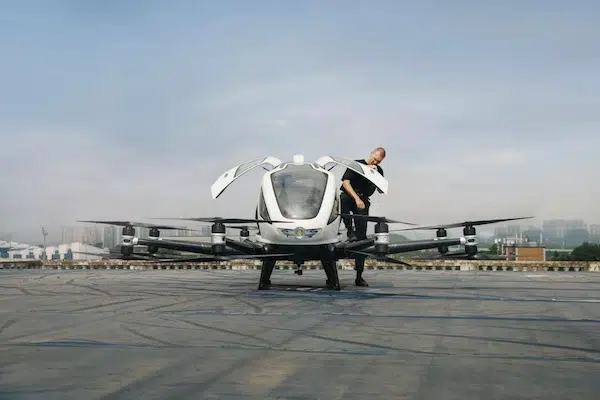
The concept of urban air mobility is gaining traction, with the development of passenger drones capable of transporting individuals in urban environments. These drones could revolutionize transportation, reducing congestion and providing an alternative mode of travel.
However, challenges such as infrastructure requirements and safety considerations need to be addressed before widespread implementation.
Enhanced Battery Life And Range Capabilities
Improvements in battery technology are driving the development of drones with longer flight times and extended range capabilities. Enhanced battery life allows drones to operate for more extended periods, enabling applications that require extended missions or coverage of larger areas. This advancement expands the potential uses of drones across various industries.
Conclusion
So, What are drones used for? Drones have become indispensable tools across numerous sectors, revolutionizing industries and providing innovative solutions to various challenges. From commercial applications such as aerial photography and delivery services to environmental monitoring, military operations, and humanitarian aid, drones offer immense potential.
However, it is crucial to address concerns regarding privacy, safety, and ethical considerations to ensure responsible and beneficial drone usage. With continued advancements and evolving regulations, the future of drones holds promising opportunities for a wide range of applications, contributing to advancements in various fields.