Table of Contents
Key Takeaways
- Go to the FAA DroneZone website and create an account.
- Provide your personal information and drone details.
- Pay a registration fee of $5.
- Display your registration number on your drone.
Your drone must be registered if it weighs more than 0.55 pounds (250 grams). You can register your drone for up to three years.
Drone registration has become an essential step for both hobbyists and professionals in the world of unmanned aerial vehicles (UAVs). Ensuring the proper registration of your drone brings a multitude of benefits, including compliance with regulations and the promotion of safe and responsible drone operations.
Today, we will guide you through the process of registering your drone, demystifying the steps involved, and providing clarity on what to expect.
Whether you’re a first-time drone owner or seeking a refresher on registration requirements, we equip you with the knowledge needed to navigate the registration process smoothly.
From understanding eligibility criteria to obtaining the necessary documentation, we’ll cover the essentials to help you fly your drone with confidence, legality, and peace of mind. Let’s dive into the world of drone registration and unlock the skies responsibly.
Understanding Drone Registration
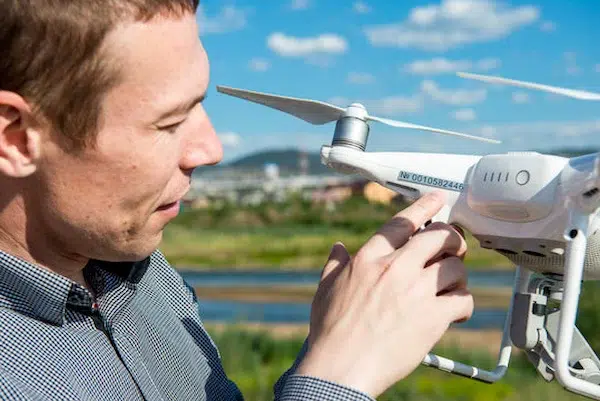
Drone registration is a process that requires drone owners to provide their personal and aircraft information to a government or regulatory agency. The purpose of drone registration is to promote safety, accountability, and responsible drone operation within the airspace.
Definition And Legal Requirements
Drone registration involves officially documenting your unmanned aerial vehicle (UAV) with the appropriate authorities in accordance with local regulations.
It establishes your drone’s identity, ownership, and compliance with specific rules set by aviation authorities or governing bodies. These regulations may vary from one region to another, but they typically outline criteria such as weight, size, and purpose to determine if registration is necessary.
Benefits Of Registering A Drone
Registering your drone offers several advantages. Firstly, it promotes safety and accountability by ensuring that drone operators are aware of and adhere to airspace restrictions and flight limitations.
Secondly, it helps authorities track lost or stolen drones, increasing the chances of recovery. Additionally, registered drones are more likely to be covered by insurance policies, protecting both the operator and potentially third parties in case of accidents or incidents.
Consequences Of Not Registering A Drone
Failing to register a drone can result in legal consequences. Authorities may impose fines, penalties, or even criminal charges for operating an unregistered drone.
Furthermore, operating without registration may limit access to certain areas, such as restricted airspace or specific flying zones designated for registered drones only.
By understanding the significance of drone registration, you can ensure compliance, contribute to safer skies, and enjoy the full benefits of responsible drone ownership.
Preparing For Drone Registration
Determine If Your Drone Needs To Be Registered
To determine if your drone needs to be registered, you should consult the regulations and guidelines set by the aviation authority or relevant government agency in your country. The specific rules regarding drone registration can vary from country to country, so it’s essential to understand the requirements applicable to your location.
Research Drone Registration Guidelines In Your Country
To research drone registration guidelines in your country, you can take the following steps:
- Visit the website of your country’s aviation authority or relevant government agency responsible for drone regulations. They often provide detailed information about drone registration requirements and guidelines.
- Look for specific sections or pages dedicated to drone registration or unmanned aerial vehicles (UAVs).
- Read through the regulations and guidelines carefully to understand the requirements for registration, including any age restrictions, weight limits, and operational limitations.
- Take note of any fees associated with the registration process, as well as any documents or information you will need to provide.
Gather Necessary Information And Documents
Once you have researched the drone registration guidelines in your country, gather the necessary information and documents as required. While the specific requirements can vary, here are 5 common items you may need:
Personal Information
Prepare your full name, address, contact details, and any other personal information required for registration.
Drone Details
Gather information about your drone, such as its make, model, serial number, weight, and specifications. You may need to provide the drone’s purchase receipt or proof of ownership.
Identification Documents
Prepare copies of your identification documents, such as your passport, driver’s license, or national identification card, depending on the requirements of your country.
Proof Of Residency
Some countries may require proof of residency, such as utility bills or rental agreements, to establish your address.
Insurance
Check if drone insurance is mandatory in your country. If so, gather the necessary insurance details or policy documents.
Drone Registration Process

Knowing how to register a drone is crucial. Let’s check out the process.
A Step-By-Step Guide To Drone Registration
Online Registration Platforms
Check if your country’s aviation authority or relevant government agency has an online registration platform specifically designed for drone registration. Many countries provide online registration systems to simplify the process.
Creating An Account
If an online registration platform is available, you will likely need to create an account. Follow the instructions provided on the registration website to set up your account. This may involve providing your email address, creating a username and password, and agreeing to any terms and conditions.
Providing Required Information
Once your account is set up, you will need to provide the required information about yourself and your drone. This typically includes personal details like your full name, address, and contact information.
Additionally, you will need to provide specific details about your drone, such as its make, model, serial number, weight, and other relevant specifications.
Uploading Supporting Documents
Some countries may require you to upload supporting documents during the registration process. These documents may include proof of ownership, such as a purchase receipt or invoice for your drone.
You may also need to provide identification documents like a passport, driver’s license, or national identification card. If proof of residency is required, upload the necessary documents like utility bills or rental agreements.
Paying Registration Fees (If applicable)
Check if there are any registration fees associated with the process. If fees apply, the online registration platform will typically provide a payment system.
Common Challenges And How To Overcome Them

Technical Issues
Ensure A Stable Internet Connection
Technical issues often arise due to an unstable or slow internet connection. Make sure you have a reliable internet connection before starting the registration process.
Try Different Devices Or Browsers
If you encounter technical issues on a particular device or browser, try accessing the registration platform using a different device or browser to see if the problem persists.
Clear Cache And Cookies
Clearing your browser’s cache and cookies can help resolve issues related to page loading or form submission. Try clearing these data and attempting the registration process again.
Document Requirements
Review The Guidelines Carefully
Thoroughly read the registration guidelines provided by the aviation authority or government agency to understand the specific document requirements. Ensure you have all the necessary documents before starting the registration process.
Seek Clarification If Needed
If you are unsure about any document requirements, contact the relevant authority or agency for clarification. They can provide guidance on the specific documents needed and any additional information that may be required.
Prepare Document Copies In Advance
Gather all the required documents and make copies in advance. Having them readily available will streamline the registration process and prevent delays.
Language Barriers
Use Translation Tools
If the registration guidelines or the online registration platform are in a language you are not familiar with, you can use online translation tools to translate the text into your preferred language. This will help you understand the requirements and instructions better.
Seek Assistance From Bilingual Individuals
If possible, seek assistance from someone who is fluent in both the language of the registration process and your native language. They can help you understand the guidelines and navigate the registration process effectively.
Contact Customer Support
If you encounter language barriers or have difficulty understanding certain aspects of the registration process, reach out to the customer support of the aviation authority or government agency. They can provide assistance and guidance in your preferred language or direct you to someone who can help.
Additional Considerations
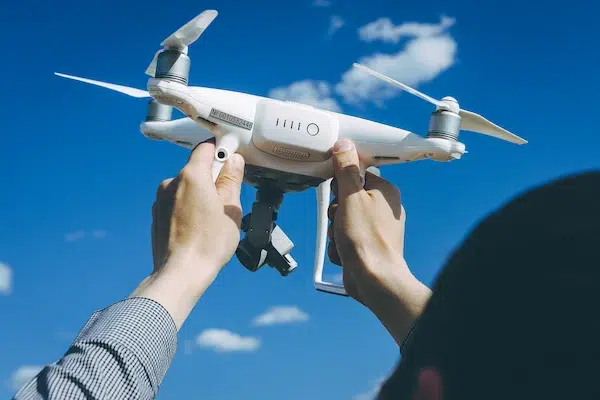
It’s crucial to stay informed about any updates or changes to drone registration regulations in your country. Regularly check the guidelines provided by your country’s aviation authority or relevant government agency for the most accurate and up-to-date information regarding drone labeling, registration renewal or updates, transferring ownership, and special requirements for commercial drone operations.
Drone Labeling Requirements
Many countries require drones to be labeled with specific information for identification purposes. The labeling requirements may include details such as your registration number, contact information, or a unique identification code. Consult the drone registration guidelines in your country to determine the specific labeling requirements and ensure compliance.
Renewing Or Updating Your Drone Registration
Drone registrations are often valid for a specific period, after which they may need to be renewed. Additionally, if any changes occur to your drone’s ownership, contact information, or other relevant details, you may need to update your registration.
Refer to the guidelines provided by your country’s aviation authority or a relevant government agency to understand the renewal and update procedures. Set reminders or make a note of the expiration date to ensure timely renewal and compliance.
Transferring Ownership Of A Registered Drone
If you sell or transfer ownership of a registered drone, it is usually necessary to update the registration with the new owner’s information. The process for transferring ownership may vary depending on your country’s regulations.
Typically, you will need to inform the appropriate authority or agency and provide the necessary documentation to complete the transfer. Consult the guidelines provided by your country’s aviation authority or relevant government agency for specific instructions on transferring ownership of a registered drone.
Special Registration Requirements For Commercial Drones
In many countries, operating drones for commercial purposes may require additional registration or permits beyond the standard registration process. Commercial drone operations typically involve activities such as aerial photography, package delivery, or surveying.
These operations may have specific regulations, including pilot certifications, insurance requirements, and additional permits.
If you plan to use your drone for commercial purposes, thoroughly research the special registration requirements and regulations applicable in your country. Contact the appropriate authority or agency to ensure compliance and obtain the necessary permits or certifications.
Drone Registration Tips And Best Practices
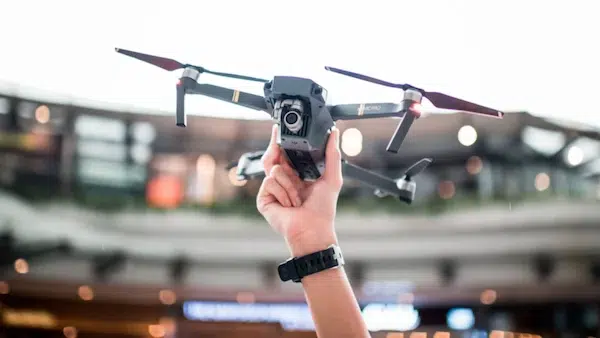
By following these tips and best practices, you can ensure that your drone registration remains valid and compliant with the regulations in your country.
Remember to always prioritize safety, respect privacy, and fly responsibly, keeping in mind the well-being of others and the airspace around you.
Stay Informed About Changing Regulations
Drone regulations and registration requirements can change over time. It’s important to stay informed and updated on any changes or updates to the regulations in your country. Regularly check the website of your country’s aviation authority or relevant government agency for any announcements or new guidelines regarding drone registration. Following online forums or communities dedicated to drones can also help you stay updated on industry news and regulatory changes.
Keep Your Registration Documents Easily Accessible
Once you have completed the drone registration process, it’s essential to keep your registration documents readily accessible. Make digital copies of your registration certificate, identification documents, proof of ownership, and any other relevant documents.
Store them securely on your computer or cloud storage, and consider keeping physical copies in a safe place.
Having quick access to your registration documents will be helpful during drone flights, inspections, or if any authorities request proof of registration.
Maintain Updated Contact Information
Ensure that your contact information provided during the registration process is accurate and up to date. If there are any changes to your address, phone number, or email, promptly update your registration details with the relevant authority.
This will enable effective communication and ensure that you receive any important notifications or updates regarding your drone registration.
Adhere To Local Flight Restrictions And Guidelines
Drone flight restrictions and guidelines are put in place to ensure safety and protect airspace. It’s crucial to familiarize yourself with and strictly adhere to local flight restrictions, no-fly zones, altitude limits, and any other regulations specific to your location.
Understand the rules regarding flying near airports, crowded areas, or sensitive locations. Compliance with these guidelines promotes responsible drone operation and helps maintain a positive image for the drone community.
FAQs
1. Do Drones Have To Be Registered With The FAA?
Yes, drones that weigh more than 0.55 pounds (250 grams) must be registered with the FAA. This includes drones that are used for recreational purposes, as well as those that are used for commercial purposes. You can register your drone online at the FAA’s website.
2. What Countries Require Drone Registration?
In addition to the United States, many other countries require drone registration. These countries include:
- Australia
- Canada
- China
- European Union
- India
- Japan
- Mexico
- New Zealand
- United Kingdom
The specific requirements for drone registration vary from country to country. In some countries, only drones that weigh more than a certain amount must be registered. In other countries, all drones must be registered.
3. Which Country Has Banned The Use Of Drones?
North Korea is the only country that has banned the use of drones. The government of North Korea has said that drones are a security threat and that they could be used to spy on the country.
How To Register A Drone: Conclusion
In a world where drones are becoming increasingly popular, it’s essential to navigate the skies responsibly. Understanding how to register a drone is not only a legal obligation but a crucial step toward promoting safety and accountability.
By following the registration process outlined by your country’s aviation authority, you can soar through the air with the confidence that you are operating within the boundaries of the law.
So, whether you’re a recreational enthusiast or a professional pilot, take flight with peace of mind by registering your drone and unlocking a world of possibilities while upholding the principles of responsible drone ownership.