Operating a drone has become increasingly popular in recent years, both for recreational purposes and commercial ventures. However, it is essential to recognize the importance of obtaining a drone license before taking to the skies. A drone license, officially known as a Remote Pilot Certificate, ensures that drone pilots have the necessary knowledge and skills to operate their unmanned aircraft systems (UAS) safely and responsibly.
So, are you wondering how to get your drone license? We’ve got you covered with a detailed guide. In this article, we will provide you with a comprehensive guide on how to obtain your drone license. We will explore the requirements, steps, and resources you need to navigate through the process successfully.
Table of Contents
Key Takeaways
- Create an FAA account. You can do this on the FAA website.
- Complete the Part 107 Small UAS Initial (ALC-451) online training course. This course will cover the topics that will be on the knowledge test.
- Schedule and take the FAA Part 107 Remote Pilot Knowledge Test. You can take the test at any FAA-approved knowledge testing center.
- Apply for a Remote Pilot Certificate. You can do this online using the FAA’s Integrated Airman Certificate and/or Rating Application (IACRA) system.
Understanding Drone License Requirements
Drone license requirements can vary depending on the country or region where you intend to operate the drone. Here is a general overview of drone license requirements:
Definition And Purpose Of A Drone License
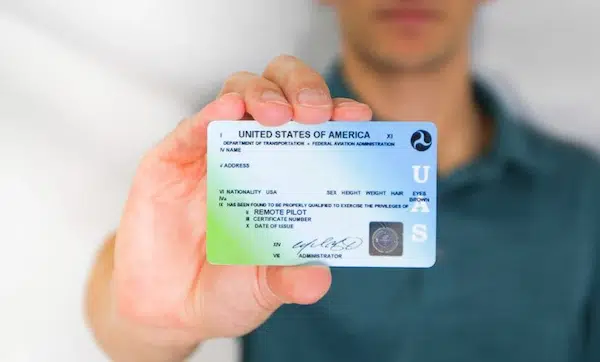
A drone license, or Remote Pilot Certificate, is a credential issued by the FAA that grants individuals the legal authority to operate drones for commercial purposes. This license demonstrates that the pilot has met the knowledge and competency requirements set forth by the FAA and can operate drones safely in the national airspace.
Different Types Of Drone Licenses
There are two main types of drone licenses: Part 107 Remote Pilot Certificate and the Recreational Flyer Certification.
- Part 107 Remote Pilot Certificate: This certification is intended for commercial drone operators who want to use drones for business purposes, such as aerial photography, surveying, or package delivery. It requires passing an aeronautical knowledge test and complying with specific operational restrictions.
- Recreational Flyer Certification: If you plan to fly drones solely for recreational purposes, the Recreational Flyer Certification is suitable for you. This certification is relatively simpler to obtain and does not involve an aeronautical knowledge test. However, it does have certain limitations on flight locations and airspace access.
Steps To Obtain A Drone License
Unsure about the process of obtaining a drone license? We break it down for you with easy-to-follow instructions on how to get your drone license.
Determine The Type Of Drone License Needed
The first step in getting your drone license is determining which type of license aligns with your intentions. Assess whether you will be using your drone for commercial or recreational purposes, as this will guide you in selecting the appropriate certification process.
Registering Your Drone With The FAA
Regardless of the purpose, all drones weighing over 0.55 pounds (250 grams) need to be registered with the FAA. Visit the FAA’s online registration portal and complete the registration process by providing the necessary information about yourself and your remote controlled drone.
Study And Prepare For The Aeronautical Knowledge Test
For those pursuing the Part 107 Remote Pilot Certificate, studying for the aeronautical knowledge test is a critical step. The FAA provides a Remote Pilot Study Guide that covers all the topics you need to familiarize yourself with, including regulations, airspace, weather, and flight operations.
Schedule And Take The Aeronautical Knowledge Test
Once you feel confident in your knowledge and preparedness, schedule your aeronautical knowledge test with an FAA-approved testing center. The test consists of 60 multiple-choice questions and assesses your understanding of drone regulations and safe operating practices.
Submit Application For Remote Pilot Certificate
Upon passing the aeronautical knowledge test, you can submit your application for a Remote Pilot Certificate through the FAA’s Integrated Airman Certification and Rating Application (IACRA) system. Complete the FAA Form 8710-13 and provide the necessary identification and documentation as specified in the application.
Preparing For The Aeronautical Knowledge Test
Preparing for the Aeronautical Knowledge Test is an important step in obtaining a drone license. Here are the 5 most effective tips to help you prepare for the test:
Studying The FAA Remote Pilot Study Guide
To excel in the aeronautical knowledge test, thoroughly study the FAA Remote Pilot Study Guide. It covers all the information you need to know, ensuring you have a comprehensive understanding of drone regulations, airspace classification, weather effects, and emergency procedures.
Online Resources And Training Courses
Utilize online resources and training courses that offer additional study materials, practice questions, and interactive learning modules. These resources can help reinforce your knowledge and provide valuable insights into specific areas of the test.
Practice Exams And Mock Tests
Take advantage of practice exams and mock tests available online. These simulate the actual test environment and help you become familiar with the question format and time constraints, allowing you to assess your readiness and identify areas for improvement.
Understanding Aeronautical Charts And Weather Conditions
Develop a solid understanding of aeronautical charts and their symbols, as well as weather conditions and their potential impact on drone operations. This knowledge will enable you to interpret charts, navigate airspace, and make informed decisions about flight safety.
Familiarizing Yourself With Airspace Restrictions
Be aware of airspace restrictions, such as controlled airspace, temporary flight restrictions (TFRs), and prohibited areas. Understanding these restrictions is crucial for planning your drone operations and avoiding potential conflicts with manned aircraft or sensitive areas.
Applying For Remote Pilot Certificate

To apply for a drone license, you typically need to follow these 5 essential steps:
Completing The FAA Form 8710-13
Fill out the FAA Form 8710-13 accurately and completely, providing all the necessary details required for the application. This form collects information about your background, flight experience, and any previous FAA certifications or violations.
Submitting Required Documentation And Identification
Ensure you have the required documentation and identification to accompany your application. This typically includes proof of passing the aeronautical knowledge test, government-issued identification, and any other supporting documents as specified in the application.
Initiating The TSA Background Check
As part of the application process, the Transportation Security Administration (TSA) will conduct a background check. You will need to provide personal information to initiate the check, and the TSA will notify you of the results within a few weeks.
Waiting For Certificate Issuance
After successfully completing the application process and the TSA background check, you will receive your Remote Pilot Certificate from the FAA. This certificate grants you legal authority to operate drones for commercial purposes.
Renewal And Recurrent Training Requirements
Remember that your Remote Pilot Certificate has an expiration date. To maintain its validity, you must renew it every 24 months by passing a recurrent knowledge test. Additionally, staying up to date with evolving regulations and engaging in continuous learning and skill development is essential to ensure safe and responsible drone operations.
Additional Considerations For Commercial Drone Operations
Want to fly your drone for commercial purposes? Follow these 5 steps to learn how to get your drone license.
Securing Drone Liability Insurance
If you plan to engage in commercial drone operations, it is wise to secure drone liability insurance. This insurance protects you in case of accidents, property damage, or injury resulting from your drone operations.
Understanding Part 107 Waivers And Authorizations
Part 107 waivers and authorizations allow drone operators to deviate from certain operational restrictions under specific circumstances. Familiarize yourself with these waivers and authorizations to understand when you may need to request permission for activities such as night flying or operations in controlled airspace.
Keeping Records And Maintaining Compliance
Maintain detailed records of your drone operations, including flight logs, maintenance records, and any incidents or accidents that occur. These records not only ensure compliance with FAA regulations but also serve as a valuable resource for post-flight analysis and improvement.
Staying Updated With Changing Regulations
Drone regulations are subject to change, so it is essential to stay updated with the latest developments. Regularly check the FAA’s website, subscribe to relevant newsletters, and participate in industry forums or associations to remain informed about any changes that may affect your drone operations.
Continuous Learning And Skill Development
Lastly, treat your drone license as a starting point for continuous learning and skill development. Stay abreast of technological advancements, new flight techniques, and emerging industry trends to enhance your capabilities as a drone pilot and expand your opportunities within the industry.
Frequently Asked Questions

1. Who Needs A Drone License?
Any individual operating drones for commercial purposes needs a drone license, specifically the Part 107 Remote Pilot Certificate. Recreational flyers have the option to obtain the Recreational Flyer Certification, depending on their location and flight activities.
2. What Is The Minimum Age Requirement To Obtain A Drone License?
To obtain a drone license, the minimum age requirement is 16 years old for the Part 107 Remote Pilot Certificate. The Recreational Flyer Certification has a minimum age requirement of 13 years old.
3. How Much Does It Cost To Get A Drone License?
The cost associated with obtaining a drone license includes the FAA knowledge test fee, which is typically around $150. Additionally, there may be costs for study materials, training courses, and any required recurrent knowledge tests or renewals.
4. What Is The Validity Period Of A Drone License?
The Remote Pilot Certificate is valid for 24 months. To maintain its validity, you must pass a recurrent knowledge test every two years.
5. Can I Fly A Drone Commercially Without A Drone License?
No, operating drones for commercial purposes without a drone license is against FAA regulations. To legally fly drones commercially, you must hold a Part 107 Remote Pilot Certificate.
Conclusion
In conclusion, obtaining a drone license is essential for anyone wishing to operate drones safely and responsibly. By following the steps outlined in this article, you can successfully navigate the process of obtaining your drone license. Remember to prioritize studying for the aeronautical knowledge test, complete the application accurately, and adhere to all FAA regulations and requirements. By doing so, you will join the ranks of certified drone pilots who are contributing to the exciting and rapidly evolving world of unmanned aviation.