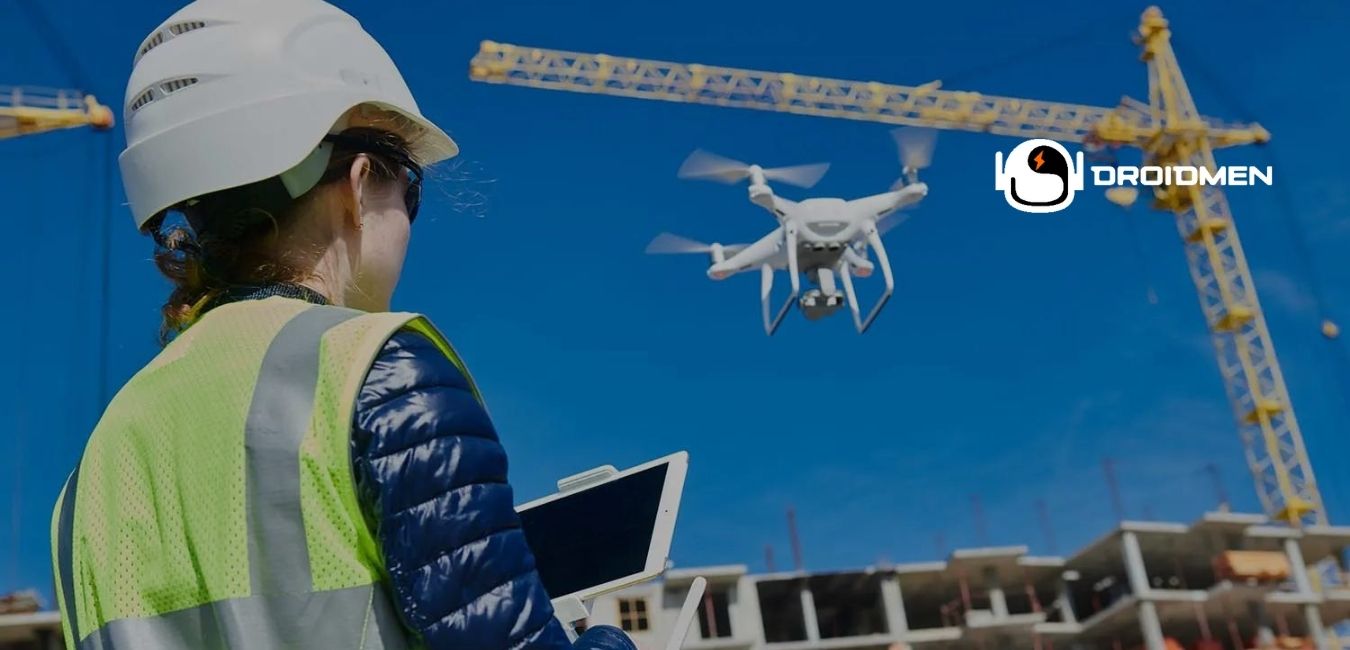
The construction industry is one of the oldest in the world but is also one of the most resistant to change. However, in recent years, the industry has embraced new technologies, such as drones, to revolutionize how buildings are built.
Drones are unmanned aerial vehicles (UAVs) that are equipped with a variety of sensors, including cameras and LiDAR scanners.
This allows them to collect data about construction sites quickly and efficiently. Let’s discover the role of drones in construction industry.
Table of Contents
Historical Context Of Drones In Construction Industry
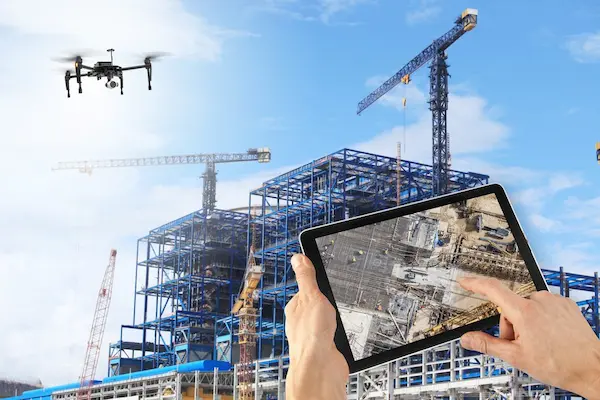
For more than 10 years, drones have helped builders. People use them more now because they cost less and do more cool things. Plus, more builders know how drones can help them.
In 2009, a builder in Japan used a drone to look at a building site. After that, drones started doing many jobs. They took pictures from the sky, made maps, and checked buildings.
In 2013, the Federal Aviation Administration (FAA) made rules for using drones in work. This helped American builders use drones in their jobs.
Three years later, in 2016, the FAA made getting a drone license for work even simpler. This helped more builders use drones.
Drones have become more accessible to buy and use. In 2021, builders around the world spent $1.5 billion on drones. People think they will spend up to $6.6 billion by 2027.
Benefits Of Using Drones In Construction Industry
Enhanced Site Surveillance And Monitoring
Drones offer a bird’s-eye view of construction sites. Workers can see the whole area from above. This helps them keep track of what’s happening in real-time.
With drones, it becomes easy to watch large sites or hard-to-reach places. This means better control and fewer missed details.
Improved Data Collection
Collecting data with drones is quick and accurate. Before drones, workers had to measure things by hand or with tools that took longer.
Now, drones can fly over and capture all kinds of information. They take clear pictures and videos.
They can also make maps. All this data helps teams make better plans and choices.
Increased Safety
Safety is a top priority in construction. Drones help make sites safer. They can go to places that are risky for people.
For example, they can check tall structures or look at parts of a building that are unsafe. This means fewer accidents and less harm to workers.
Cost Efficiency
Drones save money. They do jobs in less time than people or other tools might. They also do the work with fewer mistakes.
So, using drones means spending less money to get the job done right. This is good for the people building things and those paying for them.
Challenges And Considerations
Regulatory Hurdles
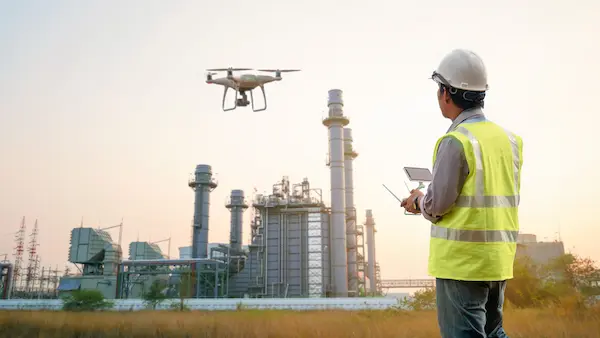
Drones change the way we build. But rules and laws often stand in their way. Many countries set rules for drone flights.
They tell us where drones can fly, how high, and who can control them. Before builders use drones and they need permits and licenses.
Some areas near airports or crowded places don’t allow drones at all. So, builders face delays and extra costs.
Privacy Concerns
Drones have cameras. They take photos and videos from the sky. This worries some people. They fear drones can see inside their homes or spy on private moments.
Builders need to think about these worries. They must show respect and care for neighbors and nearby people.
Using drones means finding a balance. It’s about getting work done but also keeping trust.
Technical Limitations
Drones are amazing tools. Yet, they have limits. Some drones can’t fly long or carry heavy things. Weather like rain or wind can stop them. Drones also need power. They must charge after a short time.
This means work can stop if a drone’s battery runs out. And what about areas with many trees or wires? Drones can crash or get stuck. Builders must know these limits. They need plans and backup options.
For the best construction drone, prioritize durability, extended battery life, and advanced imaging capabilities.
FAQs
1. How Drones Are Being Used In Construction?
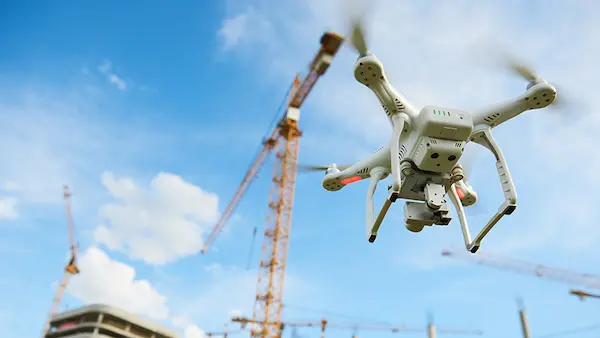
Drones in construction industry capture aerial photos, monitor sites, and aid in mapping and surveying. They offer real-time updates, improving efficiency and safety.
2. What Is The Future Of Drone In Construction?
The future sees drones doing more tasks like transporting materials, 3D modeling, and using AI for better site analysis.
3. What Is The Impact Of Drones In Construction Industry?
Drones boost construction speed, enhance safety, offer accurate data, and reduce costs, transforming the industry’s approach to building.
Drones In Construction Industry: Conclusion
Drones are changing the way we build. In construction, these flying tools make jobs faster, safer, and better. They let workers see from the sky and catch problems early.
Drones save time and money, becoming a key part of building our future. The construction industry is seeing a bright future with the help of these high-flying helpers. Let’s embrace this change and watch our cities grow in smarter ways.