Imagine soaring through the skies, capturing breathtaking aerial views, and unlocking the secrets of the world from a whole new perspective. Now, what if I told you that this exhilarating adventure could also be your ticket to a lucrative income stream?
Whether you’re an aspiring aerial photographer, a budding videographer, or a savvy entrepreneur seeking new frontiers, join me as we delve into the thrilling world of how to make money with a drone. Prepare to elevate your ambitions and soar to new financial heights in this exciting and profitable realm.
Table of Contents
Getting Started with a Drone
Getting started with a drone can be an exciting endeavor, offering a wide range of possibilities for photography, videography, exploration, and more. To begin, research and select a drone based on your purpose, budget, and desired features.
Familiarize yourself with local drone regulations and laws, ensuring you understand restrictions and requirements. Read the user manual to learn about your drone’s features and safety precautions.
Find an open area to practice flying, away from people, buildings, and airports. Charge your drone’s batteries and controller, and start with beginner-friendly flight modes.
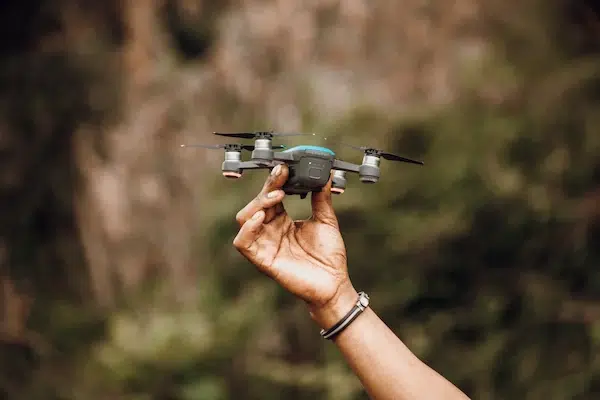
Practice basic controls and gradually move on to more advanced maneuvers. If your drone has a camera, learn its functions and experiment with settings.
Always fly responsibly and safely, respecting privacy and avoiding hazards. Join a drone community to connect with other enthusiasts and learn from experienced pilots. Remember to prioritize practice and adhere to local regulations for a rewarding drone flying experience.
Aerial Photography and Videography Services
Knowing aerial photography and videography services is important when it comes to how to make money with a drone.
When identifying target markets and potential clients, consider their specific needs, budgets, and the value that aerial photography and videography can bring to their industry or project.
Tailor your marketing strategies and portfolio to showcase relevant examples and demonstrate your expertise in meeting their requirements.
Networking, online platforms, and collaborations with related businesses can also help you establish connections and attract clients in the aerial photography and videography industry.
The Demand for Aerial Photography and Videography
- Aerial photography and videography have seen a significant rise in demand in recent years.
- Industries such as real estate, tourism, construction, agriculture, and cinematography are increasingly utilizing aerial imagery for various purposes.
- Aerial perspectives provide unique angles, stunning visuals, and a captivating storytelling element that traditional ground-based photography cannot easily achieve.
- The demand for aerial services extends to event coverage, advertising campaigns, environmental surveys, and more.
Tips for Capturing High-quality Aerial Images and Videos
Plan and prepare
- Research the shooting location, weather conditions, and potential obstacles beforehand.
- Create a shot list or storyboard to guide your aerial photography/videography session.
- Ensure your drone and camera equipment are in optimal condition and fully charged.
Composition and Framing
- Use the rule of thirds to create balanced and visually appealing compositions.
- Experiment with different angles, heights, and perspectives to add depth and interest to your shots.
- Incorporate leading lines, patterns, and natural elements to enhance the composition.
Lighting Considerations
- Shoot during the golden hours (early morning or late afternoon) for soft, warm lighting and long shadows.
- Be mindful of harsh shadows and overexposure during midday shoots.
- Experiment with backlighting to create silhouettes and dramatic effects.
Stability and Smooth Movements
- Use a gimbal or stabilization system to ensure smooth and stable footage.
- Practice gradual and gentle movements to avoid jerky or shaky footage.
- Experiment with different flight modes and speeds to achieve desired cinematic effects.
Camera Settings and Post-processing
- Shoot in RAW or high-quality video formats for greater flexibility in post-processing.
- Adjust camera settings such as ISO, aperture, and shutter speed based on the lighting conditions.
- Use post-processing software to enhance colors, contrast, and sharpness if needed.
Identifying Target Markets and Potential Clients
Real Estate Agencies
Offer aerial photography and videography services to showcase properties from unique angles, highlight features, and create immersive virtual tours.
Tourism and Hospitality Industry
Provide captivating aerial visuals of destinations, resorts, and attractions to entice travelers and promote tourism.
Construction and Architecture Firms
Capture aerial images and videos to document progress, survey sites, and create marketing materials for future projects.
Event Organizers
Offer aerial coverage of festivals, weddings, sports events, and concerts to capture the grandeur and scale of the occasion.
Environmental Agencies
Provide aerial surveys and mapping services for environmental monitoring, conservation, and research purposes.
Real Estate and Property Inspection

Exploring Opportunities in Real Estate Photography and Videography
- Real estate photography and videography have become essential in showcasing properties and attracting potential buyers.
- Aerial imagery provides a unique and captivating perspective, highlighting the property’s features, location, and surroundings.
- Opportunities exist in capturing high-quality images, creating virtual tours, and producing engaging property videos.
Conducting Property Inspections Using Drones
- Drones offer an efficient and cost-effective solution for property inspections, allowing for aerial views and detailed assessments.
- Use drones to inspect roofs, chimneys, gutters, facades, and other hard-to-reach areas.
- Capture high-resolution images or videos to identify issues, assess maintenance needs, and create comprehensive inspection reports.
Marketing your Services to Real Estate Professionals
- Build a portfolio showcasing your real estate photography and videography skills, emphasizing real estate projects. To capture high-quality images, you must invest in a good drone for real estate photography.
- Develop a professional website highlighting your services, portfolio, and testimonials.
- Collaborate with real estate agents and agencies, offering discounted or trial services to demonstrate the value of aerial imagery.
- Attend industry events and trade shows to network with real estate professionals and promote your services.
- Leverage social media platforms to share stunning visuals, success stories, and client testimonials.
Construction and Infrastructure Inspection
Benefits of Using Drones for Construction Inspections
- Drones provide a safer alternative to manual inspections, minimizing risks for workers in hazardous environments.
- Aerial inspections allow for a comprehensive view of construction sites, assessing progress, identifying potential issues, and monitoring safety compliance.
- Drones can capture high-resolution images, videos, and 3D models, aiding in documentation, quality control, and project management.
Role of Drones in Infrastructure Maintenance
- Drones can inspect bridges, tunnels, power lines, pipelines, and other infrastructure elements more efficiently and cost-effectively than traditional methods.
- With thermal imaging capabilities, drones can detect anomalies, leaks, and heat signatures, identifying maintenance needs before they escalate.
- Regular drone inspections help extend the lifespan of infrastructure assets, improve safety, and reduce maintenance costs.
Establishing Relationships with Construction Companies and Engineers
Attend construction industry conferences, seminars, and networking events to connect with professionals and discuss the benefits of drone inspections.
Offer demonstrations or case studies showcasing the advantages of drones in construction and infrastructure inspection.
Develop partnerships with construction companies, engineering firms, and maintenance service providers to offer aerial inspection services as part of their offerings.
Stay updated with industry trends, regulations, and advancements in drone technology to position yourself as a knowledgeable and reliable expert.
By capitalizing on the opportunities in the real estate and construction industries, you can position yourself as a valuable aerial photography and inspection service provider. Adapt your marketing strategies to target these specific sectors, highlighting the benefits, cost savings, and efficiency gains that drones bring to their operations.
Mapping, Surveying, and GIS Applications
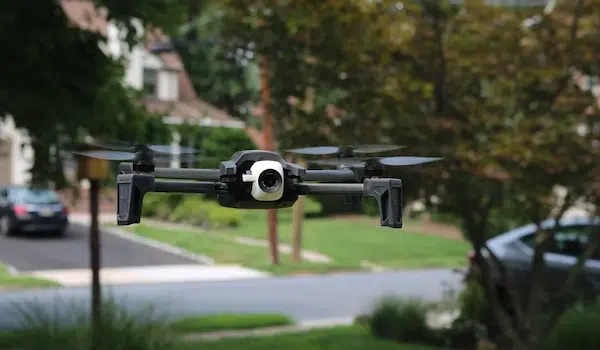
Drones have revolutionized the field of mapping and surveying, providing accurate and efficient data collection capabilities. Aerial surveys using drones can quickly capture high-resolution imagery, topographic data, and 3D models of landscapes and structures.
Drone-based mapping and surveying services are in demand for various applications, including urban planning, land development, environmental monitoring, and construction projects.
Utilizing Drone-generated Data for Geographic Information Systems (GIS)
- Drone-generated data, such as orthomosaic maps, point clouds, and digital elevation models, can be integrated into GIS software.
- GIS platforms enable the analysis, visualization, and interpretation of spatial data, enhancing decision-making processes.
- Drone-based mapping data can assist in asset management, infrastructure planning, disaster response, and natural resource management.
Approaching Government Agencies and Land Surveying Companies
Government agencies responsible for urban planning, land management, and environmental monitoring can benefit from drone mapping and surveying services.
Collaborate with land surveying companies to offer aerial surveying as an additional service or as a subcontractor.
Develop relationships with GIS professionals and attend industry conferences and trade shows to showcase the advantages of drone-based mapping and surveying.
Agriculture and Crop Monitoring
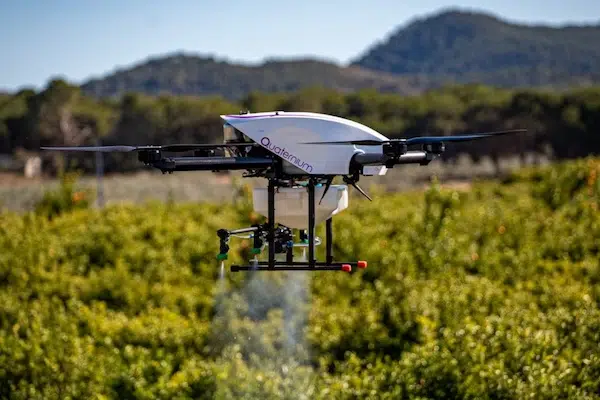
Use of Drones in Precision Agriculture
Drones are valuable tools in precision agriculture, providing farmers with detailed insights into crop health, irrigation, and nutrient management.
Drone-based multispectral and thermal sensors can capture data to monitor plant health, identify areas of stress, and optimize crop management practices.
Monitoring Crop Health and Yield Estimation with Drone Technology
Drones equipped with multispectral cameras can capture data that helps identify crop diseases, nutrient deficiencies, and pest infestations.
Through data analysis and processing, farmers can make informed decisions to improve yields, reduce resource wastage, and optimize pesticide and fertilizer applications.
Collaborating with Farmers and Agricultural Consultants
- Engage with farmers and agricultural consultants to understand their specific needs and challenges.
- Offer drone-based crop monitoring services, including aerial imaging, plant health analysis, and data interpretation.
- Provide actionable insights and recommendations based on the data collected, assisting farmers in optimizing their agricultural practices.
Inspections and Maintenance in Industrial Sectors
Role of Drones in Industrial Inspections
Drones can safely and efficiently inspect industrial assets such as power lines, pipelines, towers, and infrastructure in hard-to-reach areas.
Thermal cameras and sensors can detect anomalies, identify leaks, and monitor the condition of critical infrastructure.
Conducting Infrastructure Maintenance Assessments with Drones
Drones can capture high-resolution images and videos for infrastructure maintenance assessments, identifying structural issues, corrosion, and other potential risks.
Regular drone inspections assist in planning maintenance schedules, minimizing downtime, and reducing costs associated with manual inspections.
Building Partnerships with Utility Companies and Industrial Facilities
Establish relationships with utility companies, energy providers, and industrial facilities to offer drone-based inspection and maintenance services. Showcase the benefits of drone inspections, including improved safety, reduced operational costs, and enhanced data collection capabilities.
Collaborate with maintenance teams, engineers, and asset managers to develop customized inspection plans and reporting systems.
By targeting mapping, surveying, agriculture, and industrial sectors, you can leverage the capabilities of drone technology to offer specialized services.
Develop a strong understanding of the specific needs and requirements of each industry, and tailor your marketing strategies accordingly.
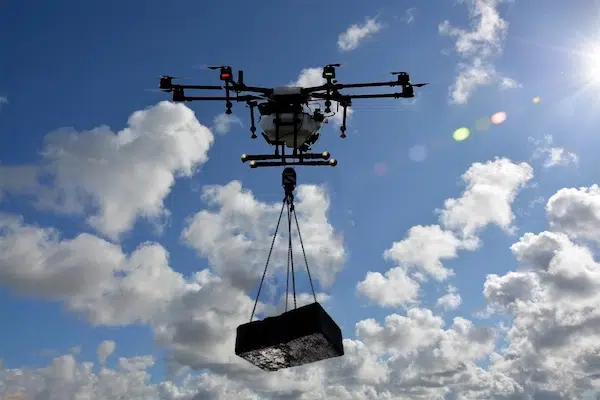
Drone Racing and Competitions
Drone racing is a thrilling sport where pilots compete against each other in high-speed races using drones equipped with FPV (First Person View) technology.
It combines the excitement of flying, technology, and competition, attracting both participants and spectators.
Participating in Local and National Drone Racing Events
Start by participating in local drone racing events and competitions to gain experience and improve your skills. Join local drone racing clubs or leagues to connect with other enthusiasts and stay updated on upcoming events.
Progress to regional or national competitions to challenge yourself against skilled pilots and gain recognition.
Leveraging Sponsorships and Endorsements
As you gain expertise and recognition in the drone racing community, consider seeking sponsorships or endorsements from drone manufacturers, equipment suppliers, or other relevant companies.
Develop a strong online presence and showcase your achievements and skills through social media, YouTube channels, or personal websites to attract potential sponsors.
Collaborate with companies in the drone industry to promote their products or services through race participation and content creation.
Legal Considerations and Insurance
Legal Aspects of Commercial Drone Operations
Ensure compliance with local regulations and licensing requirements for commercial drone operations. Familiarize yourself with airspace restrictions, flight limitations, and any specific rules governing drone racing events.
Stay updated with changes in drone regulations to ensure you operate within the legal framework.
Securing Appropriate Insurance Coverage for your Drone Business
Obtain liability insurance coverage to protect yourself and your business in the event of accidents or damage caused by your drone operations.
Consider specialized drone insurance policies that cover risks associated with racing events, such as equipment damage, personal injury, and property damage.
Marketing and Promoting Your Drone Services
Building an Online Presence and Creating a Portfolio
Create a professional website or portfolio showcasing your drone services, expertise, and accomplishments. Showcase high-quality visuals, videos, and testimonials to attract potential clients.
Optimize your online presence through social media platforms, where you can share race highlights, and behind-the-scenes content, and engage with the drone community.
Networking with Potential Clients and Industry Professionals
Attend drone industry conferences, trade shows, and racing events to network with potential clients, sponsors, and industry professionals.
Collaborate with event organizers, race organizers, and drone retailers to establish relationships and gain exposure.
Implementing Effective Marketing Strategies for Your Drone Business
Develop targeted marketing strategies tailored to the drone racing community and potential clients in the industry.
Utilize social media advertising, search engine optimization (SEO), and content marketing to reach your target audience. Offer promotional discounts, referral programs, or package deals to attract
new clients and encourage repeat business.
Scaling and Expanding Your Drone Business
Hiring More Staff
As your drone business grows, consider hiring additional drone pilots or staff members to handle increased demand. Ensure they are properly trained and licensed to operate drones and maintain a high standard of professionalism and safety.
Exploring Opportunities for Additional Drone Services
Identify potential areas for expansion, such as aerial photography/videography for different industries, aerial inspections, or drone education and training programs. Research market demand, assess competition, and develop a business plan to enter new service areas effectively.
Expanding into New Geographical Regions or Industries
Explore opportunities to expand your drone business into new geographical regions or industries that may have a demand for your services.
Adapt your marketing strategies and offerings to cater to the specific needs and requirements of the new geographical regions or industries you are targeting.
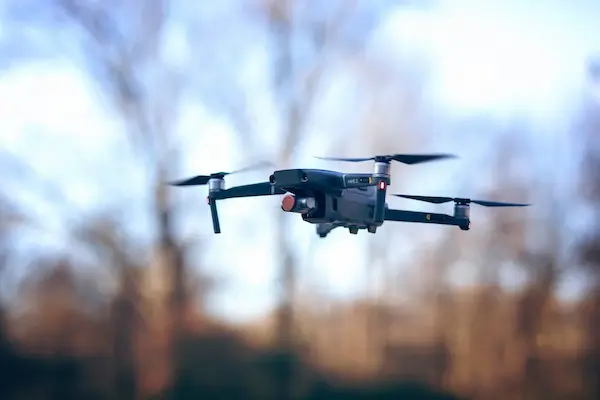
Conduct market research to understand the competitive landscape, regulatory environment, and potential client base in the new areas you wish to expand into.
Build relationships with local businesses, organizations, and industry professionals to establish a presence and gain credibility in the new markets.
Customize your marketing materials and strategies to effectively communicate the value and benefits of your drone services in the specific industries or regions you are targeting.
How To Make Money With A Drone: Conclusion
In summary, making money with a drone involves identifying target markets, offering specialized services, building a strong portfolio, and implementing effective marketing strategies.
By catering to industries such as real estate, construction, agriculture, mapping/surveying, inspections, or drone racing, you can leverage the capabilities of drone technology to provide valuable services. It’s crucial to stay informed about regulations, obtain necessary licenses, and comply with local laws.
Seek sponsorships or endorsements, scale strategically, and continuously adapt to industry trends. With dedication and professionalism, you can turn your passion for drones into a profitable and rewarding business.