Table of Contents
Best Drones For Beginners
Are you looking to delve into the exciting world of aerial photography and video production? Drones provide a unique perspective, allowing you to capture stunning images and footage from high above. Whether you’re a beginner or a seasoned enthusiast, finding the right drone can make all the difference in your experience. In this comprehensive guide, we will explore the best drones for beginners in 2023, taking into consideration factors such as features, affordability, and ease of use.
1. Introduction
A camera drone offers a thrilling way to explore a new style of photography and videography. Unlike traditional handheld cameras or smartphones, drones provide a unique aerial perspective, enabling you to capture breathtaking shots from previously inaccessible angles. In this guide, we will focus on the best drones available for beginners in 2023, with an emphasis on features, affordability, and ease of use.
2. The Best Drones For Beginners In 2023
2.1 DJI Mini 4 Pro

The DJI Mini 4 Pro is an excellent choice for beginners who want a drone that can confidently navigate complex environments. Equipped with obstacle detection sensors, this drone ensures safer flight by automatically navigating around obstructions. The camera on the Mini 4 Pro is a significant improvement from its predecessors, supporting 4K60 video and offering the choice between 48MP or oversampled 12MP still photos.
One of the standout features of the Mini 4 Pro is its compact and portable design. Weighing just 249g, it sidesteps the need for FAA registration. The drone also offers multiple remote control options, including a version with a built-in touch screen and camera control app. With a battery life of 34 minutes, the DJI Mini 4 Pro provides ample flight time for capturing stunning aerial footage.
Pros:
- Small, portable design
- 249g takeoff weight sidesteps registration requirements
- 4K60 video in SDR, HDR, or D-Log M
- Supports vertical video and upward camera tilt
- Multiple remote control options
Cons:
- Doesn’t include AirSense transponder
- Extended battery option puts it above registration weight limit
Specifications:
| Name | Value |
|---|---|
| Dimensions | 2.4 by 3.5 by 5.7 inches |
| Weight | 8.78 oz |
| Rotors | 4 |
| Obstacle Detection | Integrated |
| Camera | Integrated with Gimbal |
| Video Resolution | 4K |
| Megapixels | 48 MP |
| Media Format | microSDXC |
| Remote | Dedicated with App, Dedicated with LCD |
| Live Video Feed | 1080p |
2.2 DJI Mini 2 SE

For beginners on a budget, the DJI Mini 2 SE is an excellent choice. Priced at just $339, this drone offers great value for its features. With a weight of 249g, it doesn’t require FAA registration, making it convenient for beginners. The Mini 2 SE features flight times of up to 31 minutes, allowing you ample time to capture stunning aerial shots.
The camera on the Mini 2 SE offers up to 2.7K30 video and 12MP stills. While it lacks HDR support, it compensates with Raw DNG photo output. However, it is important to note that the Mini 2 SE does not have obstacle sensors, so caution should be exercised when flying at lower altitudes.
Pros:
- Doesn’t require FAA registration
- Palm-sized, lightweight design
- Produces silky smooth 2.7K30 video
- Around 30 minutes of flying time per charge
- USB-C charging for drone and remote
Cons:
- Omits obstacle detection and Hyperlapse features
- SDR video profile is limiting for some scenes
Specifications:
| Name | Value |
|---|---|
| Dimensions | 2.3 by 3.2 by 5.4 inches |
| Weight | 8.8 oz |
| Rotors | 4 |
| Obstacle Detection | Integrated |
| Camera | Integrated with Gimbal |
| Video Resolution | 2.7K |
| Megapixels | 12 MP |
| Media Format | microSDXC |
| Remote | Dedicated with App |
| Live Video Feed | 720p |
2.3 DJI Mini 3

The DJI Mini 3 is one of the best drones for beginners who are willing to stretch their budget. Priced under $600, this drone offers a range of features that make it worth the investment. The 249g takeoff weight is beginner-friendly, and the drone records great-looking 4K30 video with ample dynamic range and good-looking digital zoom. It also supports dual aspect ratios, making it versatile for different screens and platforms.
With a flight time of 38 minutes, the Mini 3 provides ample opportunity for capturing stunning aerial footage. The drone offers different remote control options, catering to various preferences and budgets. However, it does omit obstacle detection, so caution should be exercised during flight.
Pros:
- Good-looking 4K30 video
- Support for vertical video and upward gimbal tilt
- 12MP stills in Raw DNG or JPG
- 38-minute flights with standard battery
- Built-in GPS and FlySafe safety features
Cons:
- Omits obstacle detection
- Limited to one color profile
- Doesn’t support Hyperlapse or ActiveTrack
Specifications:
| Name | Value |
|---|---|
| Dimensions | 2.4 by 3.5 by 5.7 inches |
| Weight | 8.78 oz |
| Rotors | 4 |
| Obstacle Detection | Integrated |
| Camera | Integrated with Gimbal |
| Video Resolution | 4K |
| Megapixels | 12 MP |
| Media Format | microSDXC |
| Remote | Dedicated with App, Dedicated with LCD |
| Live Video Feed | 1080p |
2.4 Autel Robotics Evo Nano+
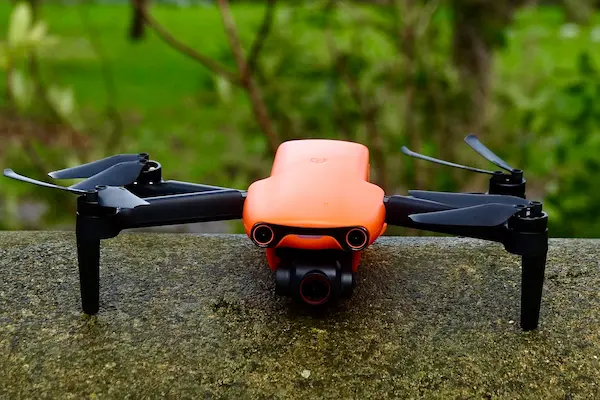
Autel Robotics is a popular brand among drone hobbyists, offering quality alternatives to the more well-known DJI drones. The Autel Robotics Evo Nano+ is an ultra-light 249g flyer, making it exempt from FAA registration. It boasts a solid battery life of approximately 28 minutes, allowing for extended flight time.
The Evo Nano+ features three-way obstacle detection, ensuring a safer flight experience. The drone also captures stabilized 4K30 video and offers basic automated camera moves and Hyperlapse features. While the Raw picture format may be challenging for beginners to edit, the drone’s versatility and impressive features make it an excellent choice for those looking to explore aerial photography and video production.
Pros:
- 4K30 video with gimbal stabilization
- Camera supports 12MP and 50MP photos
- Automated quick shots and Hyperlapse
- Up to 28 minutes of flight time
- Three-way obstacle sensors
- Built-in GPS and return-to-home functionality
Cons:
- Raw photos are tricky to process
- Overprocessed look to video
- Log profile is only 8-bit
Specifications:
| Name | Value |
|---|---|
| Dimensions | 3.7 by 5.6 by 2.2 inches |
| Weight | 8.8 oz |
| Rotors | 4 |
| Obstacle Detection | Integrated |
| Camera | Integrated with Gimbal |
| Video Resolution | 4K |
| Megapixels | 50 MP |
| Media Format | microSDXC |
| Remote | Dedicated with App |
| Live Video Feed | Yes |
2.5 Ryze Tello

While the Ryze Tello may not offer the best camera or video quality, it is a fantastic choice for kids learning to code and engage in STEM classes. This inexpensive drone can be controlled through a smartphone or tablet using on-screen controls, making it easy to fly. Additionally, the Ryze Tello is compatible with MIT’s Scratch programming language, allowing kids to learn basic computer programming concepts while having fun with the drone.
The Tello’s camera may not produce the highest quality video, but its programmable features make it an ideal choice for educational purposes. With its Bluetooth remote control compatibility and automated flight modes, the Ryze Tello provides an interactive and engaging experience for young learners.
Pros:
- Inexpensive
- Easy to fly
- Programmable via Scratch
- Bluetooth remote control compatibility
- Automated flight modes
Cons:
- Pixelated, low-quality video
- Limited control range
- No GPS or return-to-home capability
Specifications:
| Name | Value |
|---|---|
| Dimensions | 1.6 by 3.9 by 3.6 inches |
| Weight | 2.8 oz |
| Rotors | 4 |
| Obstacle Detection | Integrated without Gimbal |
| Video Resolution | 720p |
| Megapixels | 5 MP |
| Media Format | None |
| Remote | Smartphone/Tablet App |
| Live Video Feed | Yes |
3. What Makes a Drone Suitable for Beginners?
When choosing a drone for beginners, several factors should be taken into consideration. These include camera quality and capabilities, flight time and battery life, obstacle avoidance and safety features, and GPS and return-to-home functionality.
3.1 Camera Quality And Capabilities
For beginners, a drone with a good-quality camera is essential. Look for drones that support at least 1080p video resolution and offer the option for high-resolution still photos. Additionally, consider features such as HDR support, Raw photo output, and the ability to tilt the camera for different angles. These features allow you to capture stunning footage and images while honing your aerial photography skills.
3.2 Flight Time And Battery Life
Flight time and battery life are crucial considerations when choosing a drone. Longer flight times provide more opportunities for capturing footage and exploring the aerial landscape. Look for drones that offer flight times of at least 20 minutes or more. Additionally, consider the battery charging time and availability of spare batteries to extend your flight sessions.
3.3 Obstacle Avoidance And Safety Features
Safety should always be a priority when flying a drone, especially for beginners. Look for drones equipped with obstacle avoidance sensors, which help prevent collisions with objects and ensure safer flights. Other safety features to consider include geofencing, which restricts the drone’s flight within a predetermined area, and return-to-home functionality, which automatically brings the drone back to its takeoff point.
3.4 GPS And Return-To-Home Functionality
GPS and return-to-home functionality are valuable features for beginners. GPS allows the drone to hold its position accurately and provides stability during flights. Return-to-home functionality ensures that the drone can find its way back to the pilot’s location with the push of a button or when the battery is low. These features provide added peace of mind and make flying a drone more convenient.
4. Drones That Don’t Require FAA Registration
In the United States, certain drones weighing 250g (8.8 ounces) or more require FAA registration for recreational use. However, there are drones available that fall below this weight threshold, making them exempt from registration. These drones offer a hassle-free experience for beginners who want to fly without the additional paperwork. Some notable examples of drones that don’t require FAA registration include the DJI Mini 4 Pro, DJI Mini 2 SE, DJI Mini 3, Autel Robotics Evo Nano+, and Ryze Tello.
5. Determining Your Budget
When considering a drone purchase, it’s important to determine your budget. Drones come in a wide range of prices, so establishing a budget beforehand helps narrow down your options. For beginners, we recommend budgeting between $350 and $1,000 for a quality drone that offers a good balance of features and affordability. However, it’s worth noting that the higher-priced options often provide more advanced features and better camera quality.
6. Factors To Consider When Choosing A Beginner Drone
Choosing the right drone can be overwhelming, especially for beginners. To help you make an informed decision, here are some important factors to consider when selecting a beginner drone:
6.1 Camera Quality And Capabilities
The camera is one of the most crucial aspects of a drone. Look for drones that offer high-resolution video and photo capabilities. Consider features such as 4K or 2.7K video resolution, Raw photo output, and the ability to tilt the camera for different angles. These features allow you to capture stunning footage and images.
6.2 Flight Time And Battery Life
Flight time and battery life play a significant role in your drone flying experience. Look for drones that offer longer flight times, preferably 20 minutes or more, to maximize your time in the air. Additionally, consider the battery charging time and availability of spare batteries to extend your flight sessions.
6.3 Obstacle Avoidance And Safety Features
Safety should always be a priority when flying a drone, especially for beginners. Look for drones equipped with obstacle avoidance sensors, which help prevent collisions with objects and ensure safer flights. Other safety features to consider include geofencing, which restricts the drone’s flight within a predetermined area, and return-to-home functionality, which automatically brings the drone back to its takeoff point.
6.4 GPS And Return-To-Home Functionality
GPS and return-to-home functionality are valuable features for beginners. GPS allows the drone to hold its position accurately and provides stability during flights. Return-to-home functionality ensures that the drone can find its way back to the pilot’s location with the push of a button or when the battery is low. These features provide added peace of mind and make flying a drone more convenient.
7. Tips For Flying A Drone Safely
Flying a drone safely is essential to protect yourself, others, and the drone itself. Here are some tips to ensure a safe and enjoyable flying experience:
- Familiarize yourself with local regulations and airspace restrictions before flying.
- Choose an open and spacious area for your first flights, away from people, buildings, and obstacles.
- Conduct pre-flight checks to ensure the drone and its components are functioning correctly.
- Keep a safe distance from people, vehicles, and wildlife while flying.
- Avoid flying in adverse weather conditions, such as strong winds or rain.
- Maintain visual line of sight with the drone at all times.
- Gradually increase the complexity of your flights as you gain experience and confidence.
- Respect the privacy of others and do not invade their personal space with your drone.
- Always land the drone safely before the battery runs too low.
- Continuously update your skills and knowledge about drone flying through online resources and training.
By following these guidelines, you can ensure a safe and enjoyable flying experience with your drone.
8. Accessories And Add-Ons For Beginner Drones
To enhance your drone flying experience, there are several accessories and add-ons available. These include:
- Extra batteries: Extend your flight sessions by having spare batteries on hand.
- Propeller guards: Protect the propellers from damage and prevent accidents during flights.
- Carrying case: Safely transport your drone and its accessories when traveling.
- ND filters: Enhance the quality of your aerial footage by reducing glare and achieving better exposure.
- Smartphone or tablet sunshade: Improve visibility on your device’s screen during sunny conditions.
- Landing pad: Provide a clean and stable surface for takeoff and landing, especially in outdoor environments.
- Memory cards: Have extra memory cards to store your footage and photos.
- Drone insurance: Protect your investment by obtaining drone insurance coverage.
These accessories can enhance your drone flying experience and provide added convenience and protection.
9. Frequently Asked Questions (FAQs)
9.1 What Is The Best Drone To Buy For A Beginner?
The best drone for a beginner depends on various factors such as budget, desired features, and intended use. However, some popular choices for beginners in 2023 include the DJI Mini 4 Pro, DJI Mini 2 SE, DJI Mini 3, Autel Robotics Evo Nano+, and Ryze Tello. These drones offer a balance of affordability, ease of use, and impressive features.
9.2 How Much Does A Beginner Drone Cost?
The cost of a beginner drone varies depending on the brand, features, and camera quality. For a quality beginner drone, we recommend budgeting between $350 and $1,000. Drones in this price range offer a good balance of features and affordability for beginners.
9.3 Can Beginners Fly Drones Without FAA Registration?
Yes, beginners can fly certain drones without FAA registration. In the United States, drones weighing 250g (8.8 ounces) or more require FAA registration for recreational use. However, there are drones available that fall below this weight threshold, making them exempt from registration. Examples of such drones include the DJI Mini 4 Pro, DJI Mini 2 SE, DJI Mini 3, Autel Robotics Evo Nano+, and Ryze Tello.
10. Conclusion
In conclusion, choosing the best drone for beginners in 2023 involves considering factors such as camera quality and capabilities, flight time and battery life, obstacle avoidance and safety features, and GPS and return-to-home functionality. The DJI Mini 4 Pro, DJI Mini 2 SE, DJI Mini 3, Autel Robotics Evo Nano+, and Ryze Tello are excellent choices that cater to different budgets and preferences.
Remember to prioritize safety when flying a drone and familiarize yourself with local regulations and airspace restrictions. By following the tips provided, you can have a safe and enjoyable flying experience. Don’t forget to explore the various accessories and add-ons available to enhance your drone flying experience.
Whether you’re a beginner or an experienced enthusiast, the world of aerial photography and videography awaits you. Choose the right drone, and let your creativity soar to new heights. Happy flying!