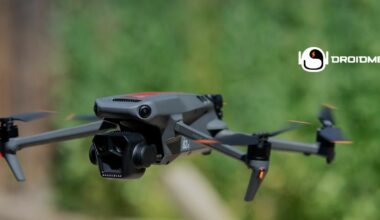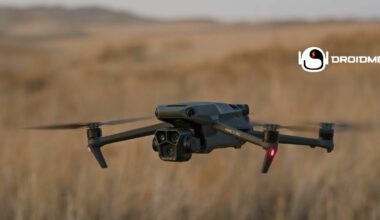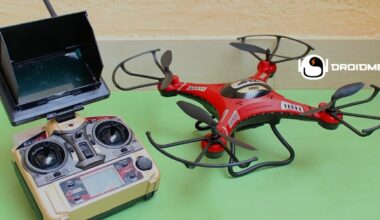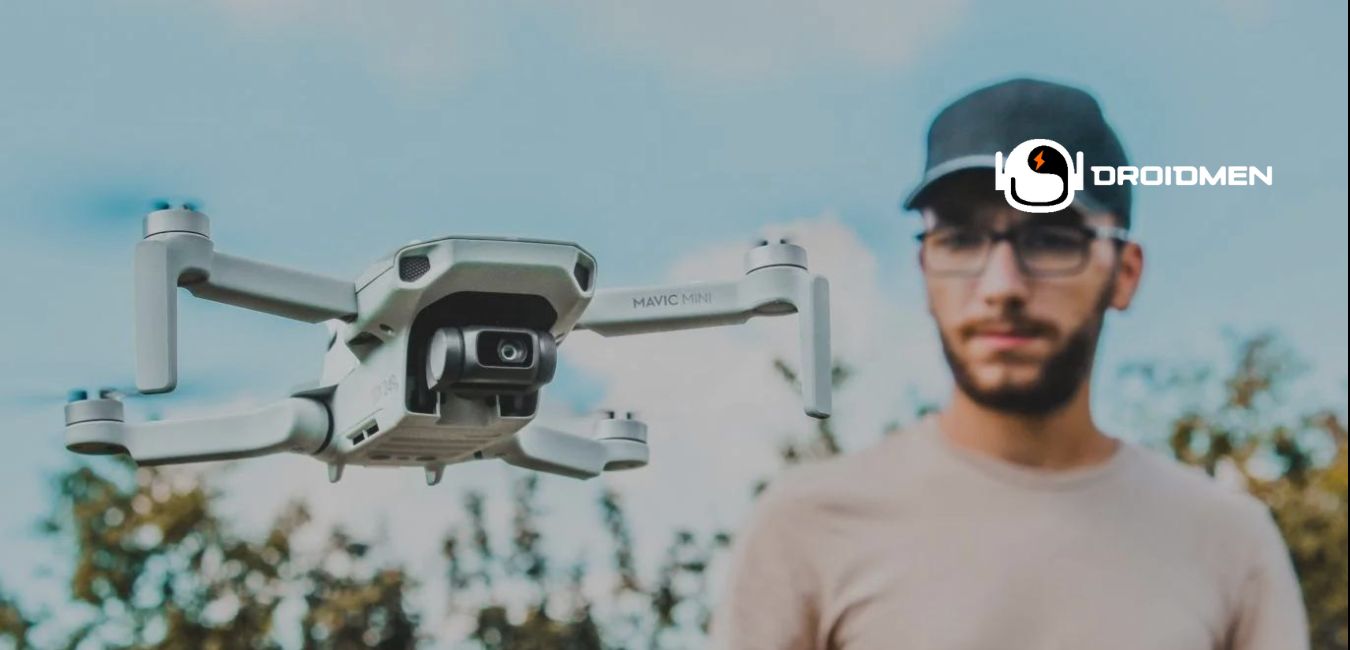
Drones! These buzzing birds of technology open up skies of possibilities for fun, work, and adventure. But where can you fly drones?
You can fly drones in many areas, but restrictions apply near airports, national parks, military bases, and over private property without permission. Always check local regulations and no-fly zones to ensure safety and privacy. For specific locations, consult the latest guidelines of the FAA.
In this comprehensive guide, we’ll dive into the world of drone flying, exploring where you unleash your drone and capture the magic from above.
Table of Contents
Key Takeaways
- Local Laws and Guidelines: Check local laws and FAA guidelines for specific no-fly zones and drone operating rules.
- Ideal Flying Locations: Rural and coastal areas are often ideal for flying, offering scenic views with fewer restrictions.
- Areas to Avoid: Avoid flying near airports, urban centers, protected wildlife areas, and sensitive installations for safety.
Understanding Drone Laws
Drone laws are rules you must follow when flying your drone. They tell you where and how high you fly to keep everyone safe. Always check these laws in your area before you fly your drone.
Global Regulations
Drones have caught the world’s attention, and with that, global rules have been set to make sure everyone enjoys flying safely. Think of these rules as the big guidelines that many countries follow.
They usually say how high you fly your drone and how far away it wanders from you. These rules also stress that you should always keep your drone where you see it and avoid flying in airplanes or airports.
The idea is simple: keep the skies safe for everyone, whether they’re on the ground or in the air.
Local Laws
Every place has its own set of drone rules, kind of like how rules at home might differ from those at a friend’s house. These local laws tell you where in your city or town you will fly your drone. For instance, some parks might welcome drones, while others might say no.
It’s very important to look up these rules before you fly because what’s okay in one place might not be okay in another.
Following these local laws helps make sure that everyone enjoys their space, both on the ground and up in the sky.
No-fly Zones
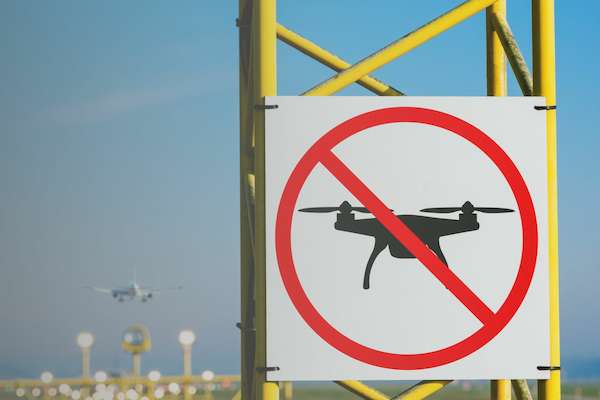
No-fly zones are areas where drones are a big no-no. These areas could be near airports, where drones could disturb planes taking off and landing, or around government buildings, where security is super tight.
Sometimes, places with lots of people, like sports stadiums during a big game, are also no-fly zones. The rules about no-fly zones are there to keep everyone safe.
Before you fly, check maps online that show where these no-fly zones are. This way, you make sure your drone adventure doesn’t accidentally break any rules or cause any trouble.
Ideal Locations For Flying
Ideal places for flying drones are open areas where there’s lots of space and not many people. Think about wide fields, beaches, or special drone flying spots where you see your drone easily and take cool pictures. Always make sure you’re allowed to fly there to keep your drone.
Rural Landscapes
Rural landscapes are perfect for flying drones because there’s lots of open space and fewer people around. This means you are allowed to fly your drone higher and farther without worrying about bumping into buildings or bothering anyone.
Fields, farms, and forests look amazing from above, and you’ll be able to capture beautiful photos and videos. Just make sure you’re not flying over private land without permission.
Rural areas often have fewer no-fly zones, making them a great choice for drone pilots.
Coastal Areas
Coastal areas offer stunning views for drone flying, with the sea on one side and the land on the other. Beaches, cliffs, and waterfronts look even more amazing from the air.
However, be mindful of birds and protected wildlife areas. Also, keep an eye on the weather and avoid flying your drone too far over the water, as strong winds cause problems.
Coastal areas are popular for their scenic beauty, making them ideal for capturing breathtaking footage.
Private Properties
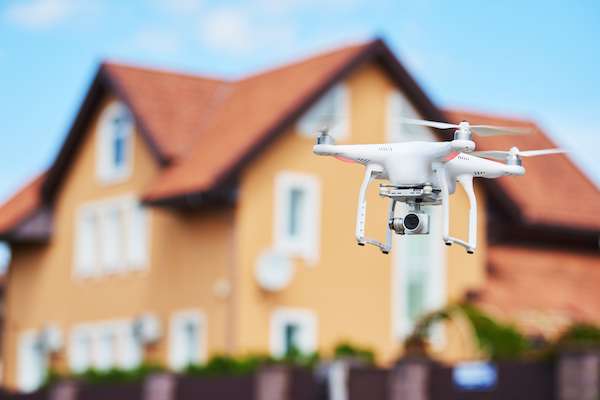
Flying a drone over private property is okay if you have permission from the owner. This is a great opportunity to film family gatherings, parties, or a friend’s big backyard.
Having permission means flying freely without worrying about breaking any rules. Just make sure to respect the owner’s space and privacy, and avoid flying too low or too close to people without their consent.
Private properties offer unique and personal spaces for drone flying.
Designated Flying Fields
Designated flying fields are special areas set aside just for flying drones and other model aircraft. These fields are the perfect place to practice flying, meet other drone enthusiasts, and learn new skills.
Flying fields are safe spaces where you won’t have to worry about entering no-fly zones or bothering anyone.
Check online or with local drone clubs to find a designated flying field near you. These areas are great for both beginners and experienced pilots to enjoy drone flying to its fullest.
Restricted Areas For Flying
Don’t fly drones near airports, in busy cities, around animals in nature parks, or close to important buildings like military bases. These places are off-limits because it’s dangerous and could bother or scare people and animals.
Near Airports And Airspace
Flying drones near airports and in airspace where planes fly is not allowed. This is because drones are dangerous to planes taking off or landing.
The rules are strict: usually, you shouldn’t fly your drone within 5 miles of an airport without special permission. This keeps both people flying in planes and on the ground safe.
Always check a map to see how close you are to an airport before you fly your drone.
Urban Areas And City Centers
City centers and busy urban areas are usually not good places for flying drones. There are many buildings, cars, and people, which makes it risky.
Drones could crash, hurt someone, or invade people’s privacy. Some cities have specific rules about where you fly, so it’s important to look those up. Always choose a safer, more open space to fly your drone.
Protected Wildlife Areas
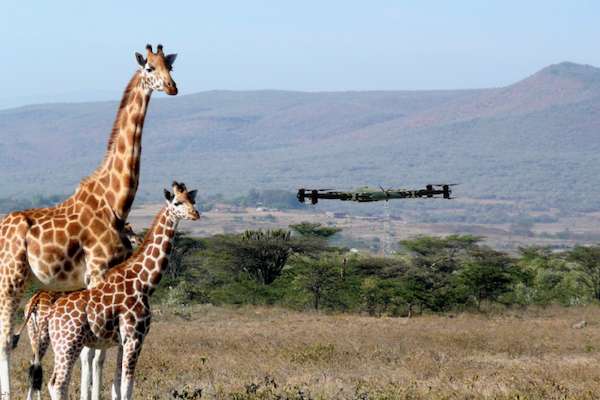
Protected wildlife areas and national parks often say no to drones. This is because the noise and movement of drones scare animals and harm their natural living spaces.
These areas are meant to keep animals safe and let them live peacefully. In case you’re unsure whether an area is protected, it’s best to check before you fly. This way, you help protect nature and wildlife.
Sensitive Installations
Sensitive installations like government buildings, military bases, and power plants are off-limits for drones. These places are important for a country’s safety and need to be kept secure.
Flying a drone near these areas is seen as a security threat and gets you in serious trouble. Always stay far away from these places when choosing where to fly your drone.
Tips For Responsible Flying
Always keep your drone in sight and don’t fly it too high or too far. Be careful not to fly over people or private places without asking.
Safety first
When you fly a drone, always think about safety before anything else. Make sure your drone is in good shape and check the battery before you take off. Don’t fly it too high or too far away where you won’t see it anymore.
Avoid flying near other people, animals, or cars to prevent accidents. When you’re new to flying, practice in a safe, open area until you get better.
Remember, keeping your drone and the people around you safe is the most important thing.
Privacy Respect
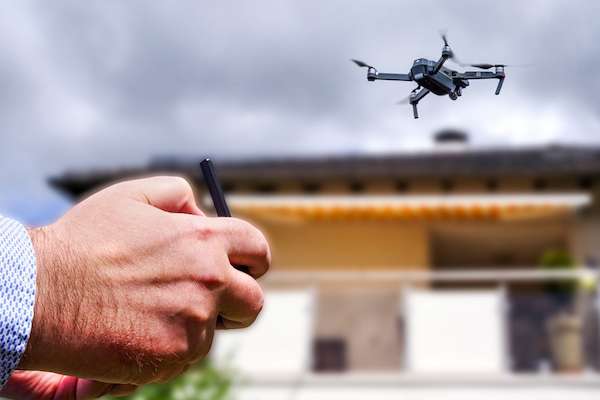
Respecting privacy means not flying your drone over people’s houses or backyards without their permission. Imagine how you would feel if a drone was peeking into your private space.
Don’t take photos or videos of people without asking them first. It’s important to think about how others feel and to use your drone in a way that doesn’t upset or invade anyone’s privacy.
Environmental Awareness
Being kind to the environment when you fly your drone means not disturbing wildlife or natural places. Animals get scared or hurt by drones, so avoid flying in areas where they live, like parks or reserves.
Don’t leave any trash behind, and if you see a place where birds are nesting or animals are raising their young, it’s best to fly somewhere else.
Showing respect for nature ensures that everyone enjoys the beauty of our planet, both from the ground and from the sky.
FAQs
1. Can I fly My Drone Around My Neighborhood?
Yes, you can fly your drone around your neighborhood, but be careful. Make sure you’re not flying over people’s houses or backyards without their consent. Keep your drone where you can see it and don’t let it go too high. Always check local rules first.
2. Can You Fly A Drone On A Beach?
Yes, you can fly a drone on a beach, but there are things to remember. Keep your drone away from crowds to ensure safety. Respect privacy and don’t take pictures or videos of people without their permission. Also, watch out for birds and wildlife. Check if the beach has any specific drone rules.
3. How Can I find Out Where I’m Allowed To Fly My Drone?
To find out where you can fly your drone, check the website of your country’s aviation authority. They have maps and apps that show no-fly zones and rules. Local government websites also tell you about local drone rules. Some drone companies have apps that help you know where it’s safe to fly.
Conclusion
As we wrap up our journey through the skies, remember that flying drones is not just about capturing breathtaking views or enjoying the thrill of the flight.
It’s also about respecting the rules, the people around us, and the beautiful nature we soar above. Whether you’re exploring vast rural landscapes, hovering over scenic beaches, or practicing in designated flying fields, always fly responsibly.
Keep your adventures high, your drone in sight, and your impact on others and the environment low. Happy flying!