Step into the thrilling world of FPV drones, where pilots see the world from a new, exciting perspective. These machines, known as First Person View drones, have surged in popularity, capturing the hearts of both young and old.
They zoom across the sky, perform breathtaking stunts, and offer a fresh take on videography. But as their use expands, one question buzzes louder and louder, “Are FPV drones illegal?”
Dive with us into this captivating topic to uncover the truths and misconceptions surrounding the legality of these fascinating flying devices.
Table of Contents
Understanding FPV Drones

Embarking on the journey of understanding FPV drones unveils a fascinating blend of technology, distinct components, and applications spanning numerous industries.
FPV Technology
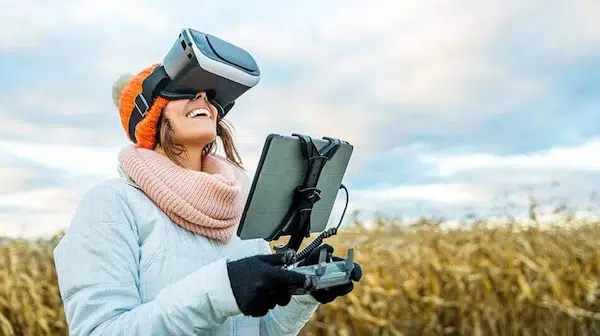
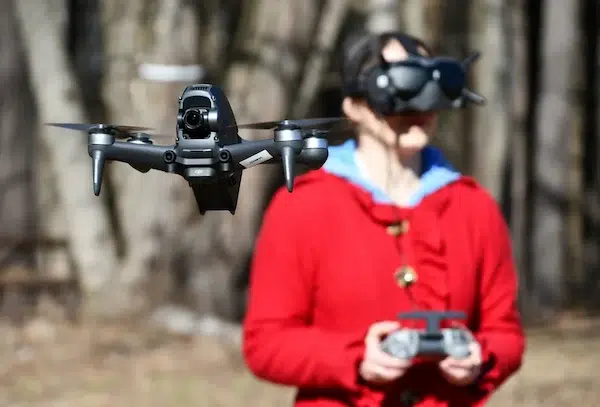
First-Person View (FPV) technology significantly enhances drone piloting. It uses a live-feed camera mounted on the drone to broadcast real-time video to the pilot’s goggles or screen. This cutting-edge technology provides a direct, immersive flight experience that’s truly transformative.
FPV Drone Components and Features
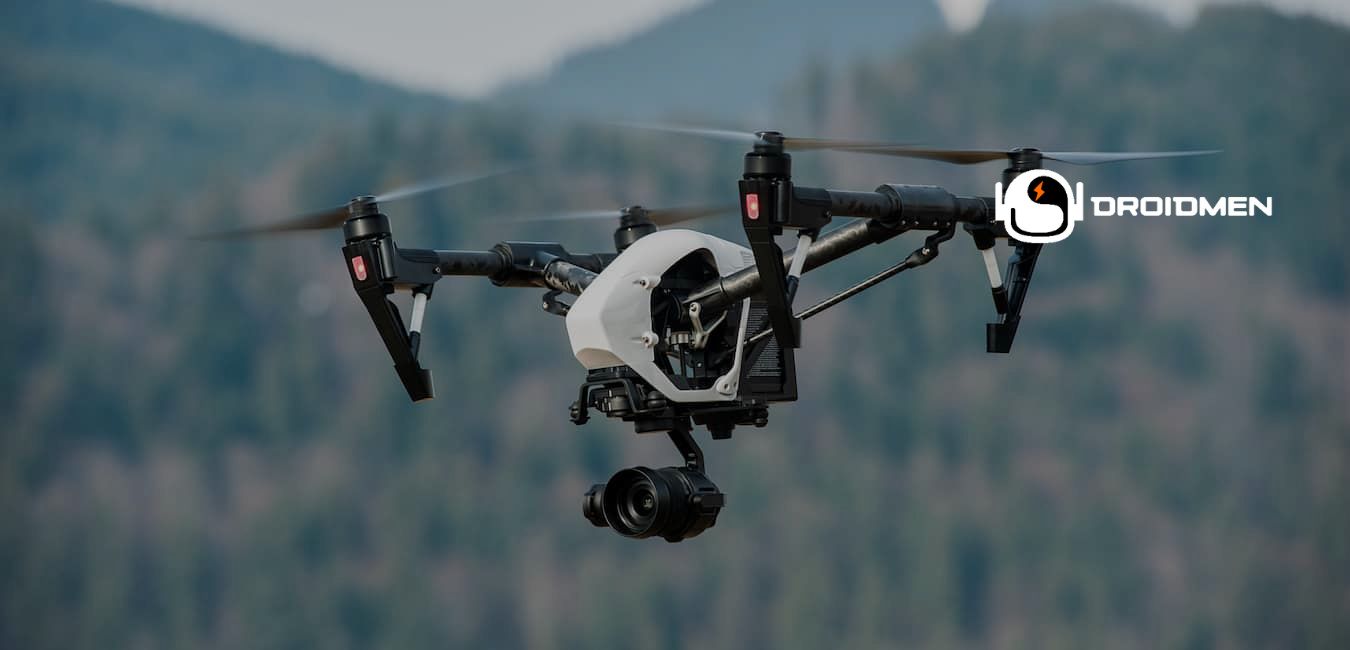
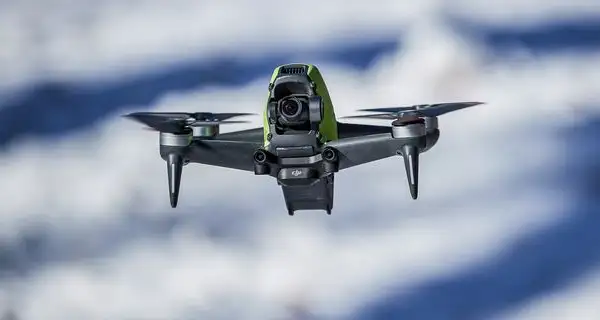
FPV drones are characterized by specific components that contribute to their exceptional capabilities. Key elements include the drone body, camera, transmitter, receiver, and the pilot’s display device. Each of these parts harmoniously works together to provide an unforgettable FPV experience.
FPV Drone Applications
FPV drones have found extensive applications across various industries. Their versatility is leveraged in filmmaking, racing, search and rescue, agricultural surveying, and wildlife monitoring. Each sector utilizes the unique abilities of FPV drones to deliver efficient and impactful results.
Are FPV Drones Illegal?

While the enchanting world of FPV drones captivates us, it’s important to address the legal aspects. How do aviation regulations and drone laws affect their usage? And is there a difference between recreational and commercial use?
Aviation Regulations and Drone Laws
Aviation regulations have had to adapt swiftly to the emergence of drone technology. These laws vary from country to country and can influence whether or not FPV drones are illegal.
Differentiating Recreational and Commercial Use of FPV Drones
The legality of FPV drones can also depend on their intended use. While recreational drone usage might have more lenient regulations, commercial use often requires compliance with a stricter set of rules. Understanding these differences is crucial for legal and responsible drone flying.
Specific Regulations Concerning FPV Drones
The legal landscape of FPV drones is intricate and multifaceted, with specific regulations impacting their operation. Let’s examine some key areas that every drone enthusiast should know.
Registration Requirements
The law often mandates drone registration to ensure responsible use and traceability. This process may require users to provide personal information and drone specifications.
Pilot Qualifications and Certifications
Certain jurisdictions may demand that FPV drone pilots possess specific qualifications or certifications. This often includes passing a knowledge test to prove safe and responsible flying.
Flight Restrictions and No-Fly Zones
FPV drones are usually subject to flight restrictions, which might include no-fly zones near airports or densely populated areas to ensure public safety.
Privacy Concerns and Legal Implications
FPV drones can inadvertently infract privacy rights, hence there are laws in place to protect privacy and define legal implications for violations. Understanding these laws is critical for all FPV drone operators.
Potential Legal Issues with FPV Drones
FPV drones, while fascinating, can invite potential legal issues. From safety concerns to legal consequences of regulatory violations, these challenges underline the need for responsible drone operation.
Safety Concerns and Risks with FPV Flights
FPV drones, given their unique flight perspective, can pose safety risks. These concerns span from potential collisions to malfunctioning equipment, emphasizing the need for careful piloting and adequate safety measures.
Legal Consequences for Violating Drone Regulations
Violations of drone regulations can attract severe legal consequences. These may range from fines and penalties to confiscation of equipment, highlighting the importance of adhering to the established rules.
Efforts to Regulate FPV Drones
In response to the surge of FPV drones, governments, and technology innovators have launched various initiatives to ensure safe and legal operation. This complex relationship between regulation and innovation shapes the question, “Are FPV drones illegal?”
Government Initiatives and Regulatory Bodies
Governments worldwide have established regulatory bodies to create and enforce drone laws. These agencies work diligently to balance the enjoyment and utility of FPV drones with public safety concerns.
Technology Advancements for Safe and Responsible FPV Drone Use
Technological advancements are playing a pivotal role in promoting safer FPV drone use. Features such as geofencing and automatic return-to-home functions help to mitigate risks and adhere to legal requirements.
Collaborations between Drone Manufacturers and Regulatory Agencies
To promote legal and responsible drone use, collaborations between drone manufacturers and regulatory agencies are increasingly common. These partnerships foster a shared goal of creating an environment where the thrill of FPV drones is harmoniously balanced with legal and safety considerations.
FAQs
1. Are FPV Drones Legal in USA?
Yes, FPV drones are legal in the USA. However, they must comply with the Federal Aviation Administration’s (FAA) regulations. These include drone registration, pilot certification for commercial use, and adherence to specific flying rules and no-fly zones.
2. Can You Fly FPV in UK?
Yes, FPV drones can be flown in the UK. Pilots need to follow the Civil Aviation Authority’s (CAA) regulations. These involve drone registration, acquiring a flyer ID by passing a theory test, and adhering to the Drone and Model Aircraft codes.
3. Is FPV Allowed in Australia?
FPV drone flying is permitted in Australia, subject to rules laid out by the Civil Aviation Safety Authority (CASA). These regulations require drone registration, respecting flight restrictions, and complying with safety measures to protect people and property.
Conclusion
Navigating the captivating world of FPV drones is an exhilarating journey. From understanding the immersive technology behind FPV to exploring its applications and delving into the regulations, it’s clear that the thrill of flying these drones must be balanced with responsible usage.
Remember, in many countries, FPV drones aren’t illegal as long as we respect the rules. Whether you’re an enthusiast or professional, keep learning, stay updated with the laws, and make the sky a safe space for everyone. Happy flying!