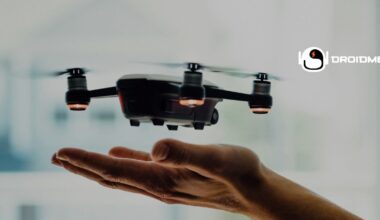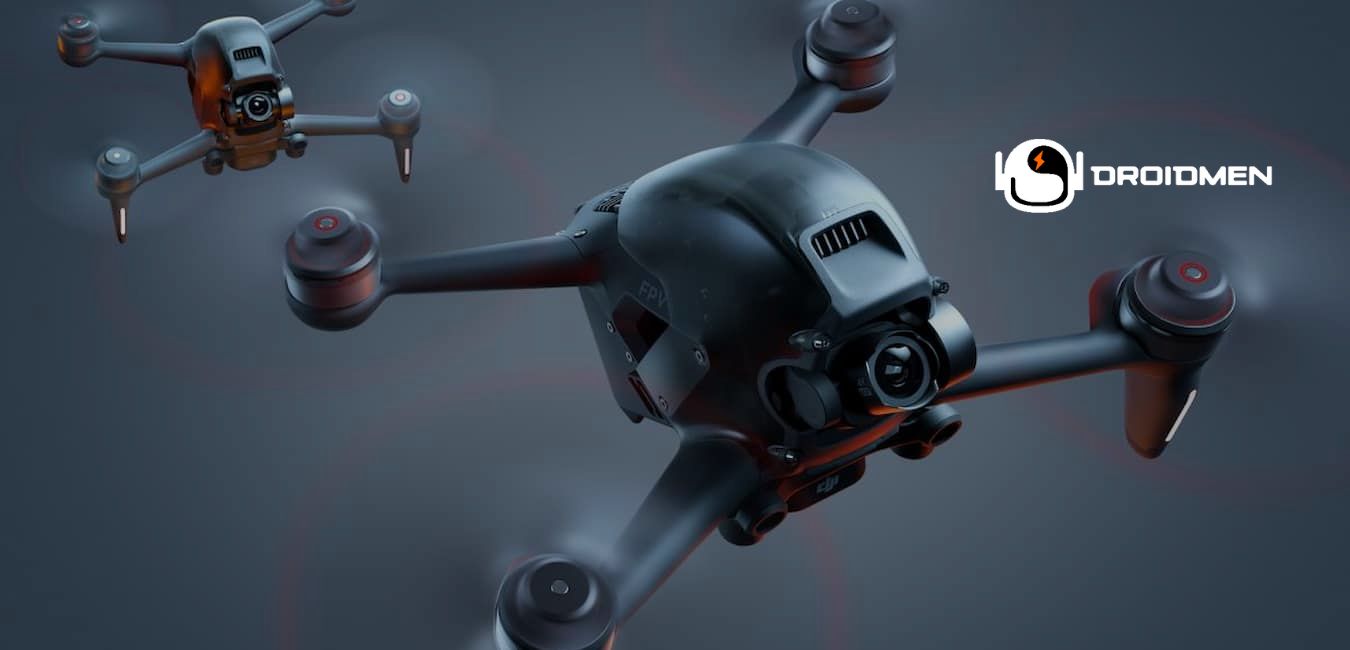
In recent years, the advent of First Person View (FPV) drones has revolutionized the way we experience remote-controlled flying. Offering an exhilarating combination of piloting skills, cutting-edge technology, and immersive visuals, the best FPV drones have captured the imagination of enthusiasts and professionals alike.
These drones provide a unique perspective by allowing pilots to see through the eyes of the aircraft in real-time, transporting them into a thrilling aerial adventure.
From the popular DJI FPV to specialized racing drones, the world of FPV drones offers a diverse range of options to suit different interests and skill levels.
Table of Contents
Understanding FPV Drones

First Person View (FPV) drones have gained significant popularity due to their unique ability to provide an immersive flying experience. Unlike traditional remote-controlled aircraft, FPV drones allow pilots to see the world from the perspective of the drone itself.
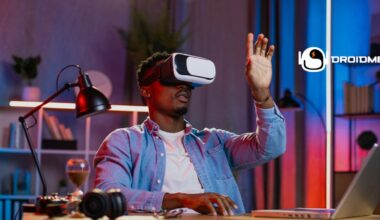
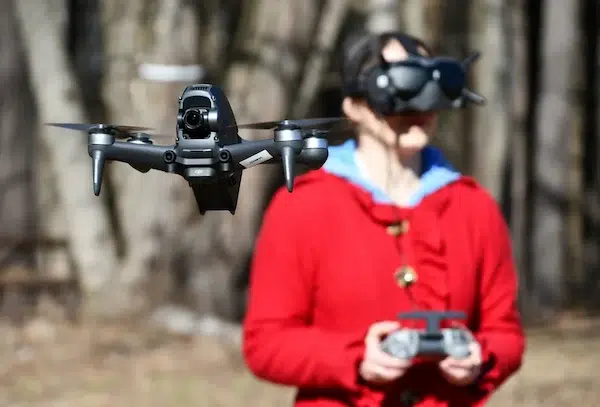
Equipped with a camera and a real-time video transmission system, FPV drones transmit a live video feed to a pair of goggles or a monitor.
The FPV experience goes beyond mere visual observation. Pilots feel as though they are actually sitting inside the drone, maneuvering it through the skies with precision and agility.
This level of immersion makes FPV drones a thrilling hobby for recreational pilots. And it makes a valuable tool for professionals in industries such as photography, cinematography, and even search and rescue operations.
To achieve the FPV experience, a few key components are required. A camera mounted on the drone captures the live video feed, which is then transmitted wirelessly to the pilot’s goggles or monitor.
Additionally, an onboard video transmitter sends the video signal to the pilot’s equipment, allowing for a seamless real-time viewing experience.
FPV drones come in various sizes and configurations, catering to different purposes and skill levels. Racing drones are designed for speed, agility, and competitive racing events, while aerial photography drones focus on stability and capturing stunning aerial footage.
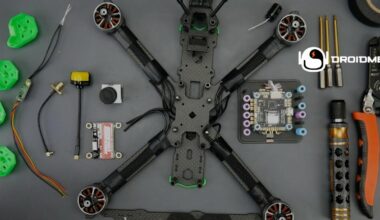
The availability of different drone frames, camera systems, and flight controllers allows enthusiasts to customize their FPV drones to meet their specific needs and preferences.
Safety is a crucial aspect of flying FPV drones. Pilots must adhere to local regulations and fly responsibly to ensure the safety of people, property, and airspace. It is essential to fly in open areas, away from airports, and maintain a line-of-sight with the drone to avoid accidents.
Top FPV Drones For Racing
FPV (First Person View) racing has gained immense popularity among drone enthusiasts worldwide. In the following, we come up with 3 FPV drones for racing.
DJI FPV Combo
DJI FPV combo is one of the best racing drones. Let’s check out its key features and pros and cons.
Key Features
Integrated FPV Drone
The DJI FPV drone features a sleek design, a 4K camera, and advanced flight performance capabilities.
Immersive FPV Experience
It comes with DJI goggles for a first-person view, providing an immersive and real-time flying experience.
Dedicated Controller
The DJI FPV Combo includes a dedicated controller with intuitive controls and customizable settings.
Advanced Safety Features
It incorporates obstacle detection and avoidance, emergency brake, and hover functionality for enhanced safety.
Intelligent Flight Modes
It offers intelligent flight modes like ActiveTrack, Spotlight, and Point of Interest for automated tracking and creative shots.
Pros

High-Quality Video
The DJI FPV Combo captures high-resolution video and photos with its 4K camera, ensuring excellent visual quality.
Immersive Experience
The goggles and low-latency transmission provide an immersive FPV experience, making it feel like you’re in the cockpit.
User-Friendly Controls
The dedicated controller offers intuitive controls and customization options, making it accessible for pilots of all levels.
Safety Features
The obstacle detection and avoidance system and emergency brake enhance flight safety and help prevent accidents.
Intelligent Flight Modes
The intelligent flight modes add versatility and automation, allowing for dynamic shots and complex maneuvers.
Cons
Higher Price Point
The DJI FPV Combo is relatively more expensive compared to some other FPV racing drones on the market.
Limited Customization
The DJI FPV drone is designed as an all-in-one package, which may have limited customization options compared to dedicated racing drones.
Less Agile for Racing
While the DJI FPV drone offers impressive performance, it may not be as agile. Or specifically optimized for competitive racing as some dedicated racing drones.
EMAX Tinyhawk 2
Key Features
Lightweight Design
The Tinyhawk 2 is a small and lightweight FPV racing drone, making it ideal for indoor and outdoor flying.
Built-in FPV Camera
It comes with a built-in FPV camera for real-time video transmission and an immersive flying experience.
Powerful Motors
The Tinyhawk 2 features high-performance motors that deliver impressive speed and maneuverability.
Durable Construction
It is built with a sturdy frame that can withstand crashes and collisions.
Beginner-Friendly: The Tinyhawk 2 is designed with beginners in mind and offers various flight modes and stability features.
Pros
Easy to Fly
The Tinyhawk 2 is beginner-friendly, making it an excellent choice for pilots who are new to FPV racing.
Compact and Lightweight
Its small size and lightweight design make it suitable for both indoor and outdoor flying.
Durable
The sturdy frame ensures durability and can handle crashes and collisions.
Good Performance: It offers impressive speed and maneuverability, providing an exciting racing experience.
Affordable
The Tinyhawk 2 is relatively more affordable compared to some other FPV racing drones.
Cons
Limited Customization
The Tinyhawk 2 may have limited options for customization compared to higher-end racing drones.
Shorter Flight Time
Due to its smaller size, the flight time of the Tinyhawk 2 may be shorter compared to larger racing drones.
Limited Range
The range of the Tinyhawk 2 may not be as extensive as some other FPV racing drones.
BETAFPV Cetus
Key Features
Compact Size
The Cetus is a compact and lightweight FPV drone designed for both indoor and outdoor racing.
High-Quality FPV Camera
It features a high-quality FPV camera that provides clear video transmission for an immersive flying experience.
Stable Flight Performance
The Cetus offers stable flight performance, making it suitable for both beginners and experienced pilots.
Durable Construction
It is built with a durable frame that can withstand crashes and impacts.
Plug-and-Play Setup
The Cetus is a ready-to-fly drone that comes fully assembled and requires minimal setup.
Pros
Easy to Get Started
The Cetus is a ready-to-fly drone, making it convenient and easy to get started with FPV racing.
Lightweight and Portable
Its compact size and lightweight design make it highly portable and easy to carry.
Durable
The durable frame ensures it can withstand crashes and impacts during racing.
Stable Flight
The Cetus offers stable flight performance, making it suitable for both beginners and experienced pilots.
Affordable
The Cetus is relatively more affordable compared to some other FPV racing drones.
Cons
Limited Customization
The Cetus may have limited options for customization compared to higher-end racing drones.
Smaller Size
Due to its compact size, the Cetus may not offer the same level of speed and maneuverability as larger racing drones.
Limited Flight Time
The smaller size of the Cetus may result in a shorter flight time compared to larger racing drones.
Top FPV Drones For Aerial Photography and Videography
DJI Mavic 2 Pro
Key Features
- 1-inch CMOS Hasselblad camera with a 20MP sensor
- DJI Mavic 2 Pro Hasselblad camera
- 4K video recording at up to 30fps
- 10-bit Dlog-M color profile
- Adjustable aperture from f/2.8 to f/11
- 360° obstacle avoidance
- Up to 31 minutes of flight time
- Foldable design for portability
Pros
- Excellent image quality
- Wide range of features
- Obstacle avoidance
- Foldable design
- Long flight time
Cons
- Expensive
- No built-in ND filters
- No RAW photo support
- Not as fast as some other drones
BetaFPV Cetus Pro
Key Features
- Brushless motor for more power and speed
- 120° FOV camera for a wide field of view
- Altitude hold, self-protection, and turtle mode for beginner-friendly flying
- Easy to mod for customization
Pros
- Small and lightweight, making it easy to control
- Durable, so it can withstand crashes
- Great value for the price
- Lots of features for beginners and experienced pilots alike
Cons
- The camera is not as good as some other FPV drones
- The range is not as good as some other FPV drones
- Batteries do not last as long as some other FPV drones
Ryze Tello
Key Features
- 720p HD camera with 120° FOV
- Ryze Tello drone with 720p HD camera opens in a new window
- www.sptc.edu.bd
- Ryze Tello drone with 720p HD camera
- 5MP photo resolution
- 13-minute flight time
- 100-meter flight range
- Headless mode
- Altitude hold
- Auto takeoff and landing
- EZ Shots (pre-programmed flight modes)
- Scratch programming
Pros
- Affordable
- Easy to fly
- Durable
- Versatile (can be used for photography, videography, racing, and more)
- Supports Scratch programming
Cons
- Small camera sensor
- Short flight time
- Limited range
- No GPS
- Not as powerful as other drones
What Factors To Consider When Choosing An FPV Drone?
When choosing an FPV (First Person View) drone, there are several important factors to consider. Here are 5 key factors to keep in mind:
Skill Level And Experience
Your skill level and experience with flying drones will play a significant role in selecting the right FPV drone. If you’re a beginner, it’s advisable to start with a beginner-friendly model that offers stability and easy controls.
On the other hand, if you have prior experience or are an advanced pilot, you may prefer a more advanced and customizable FPV drone.
Budget Considerations
Your budget will determine the range of options available to you. FPV drones come in a wide price range, from entry-level models to high-end professional setups.
It’s essential to establish a budget and consider the features and capabilities you need within that budget.
Flight Time And Battery Life
Flight time refers to the duration for which the drone can stay airborne on a single battery charge. Battery life is an important consideration, as it affects how long you can fly the drone before needing to recharge or swap batteries.
Longer flight times are generally desirable, especially if you plan to engage in longer FPV sessions or aerial photography/filmmaking.
Consider the battery capacity and the availability of spare batteries for the drone you choose.
Controller Options And Compatibility
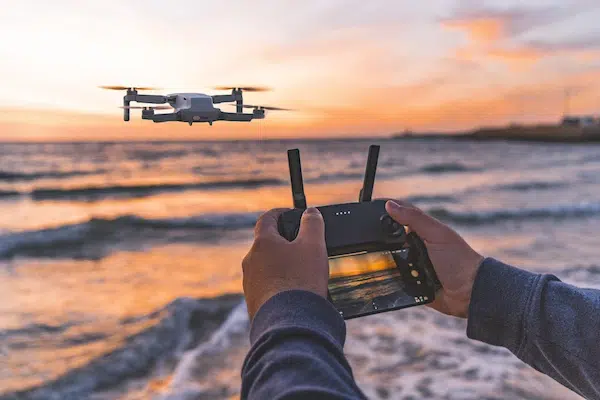
FPV drones typically come with dedicated controllers, which may vary in terms of design, features, and compatibility. Some drones use traditional remote controllers, while others utilize specialized radio transmitters.
It’s essential to ensure that the drone’s controller is comfortable for you to use and compatible with your preferred flying style.
Additionally, check if the controller supports features like telemetry data display and customizable controls.
Available Accessories And Upgrade Options
Consider the availability and variety of accessories and upgrade options for the FPV drone you’re interested in. Accessories can include spare parts, propellers, batteries, carrying cases, and additional cameras or gimbals.
Upgrades can range from improved flight controllers to higher-quality FPV goggles.
Having a range of accessories and upgrade options can enhance the versatility and longevity of your FPV drone.
Best FPV Drones: Final Words
When it comes to FPV drones for aerial photography and videography, it is important to consider factors such as image quality, stability, flight time, and convenience.
Look for drones that offer high-resolution cameras, stabilized gimbals, and intelligent flight modes to capture stunning aerial footage. Additionally, portability and ease of use can greatly enhance the overall experience.
Researching different models, reading reviews, and considering your specific needs will help you find the best FPV drone to elevate your aerial photography and videography endeavors.