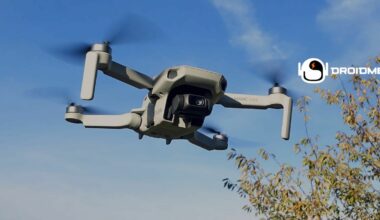
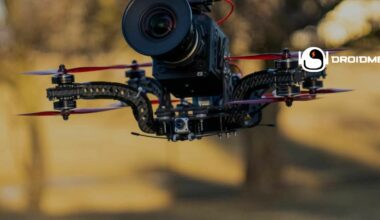
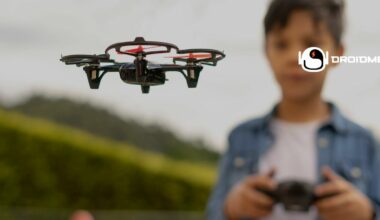
Drones have taken flight into the hearts of hobbyists, photographers, and professionals, soaring to unprecedented heights of popularity. However, the unfortunate reality is that drones can occasionally go missing during flights, whether due to technical issues, environmental factors, or pilot error. Losing drones can be a disheartening and costly experience as they can be a significant investment, and they often carry valuable footage or data. This article aims to provide a comprehensive guide on how to find a lost drone, offering practical steps, useful tips, and technological solutions to assist in the recovery process.
Table of Contents
Understanding The Challenges Of Finding Lost Drones
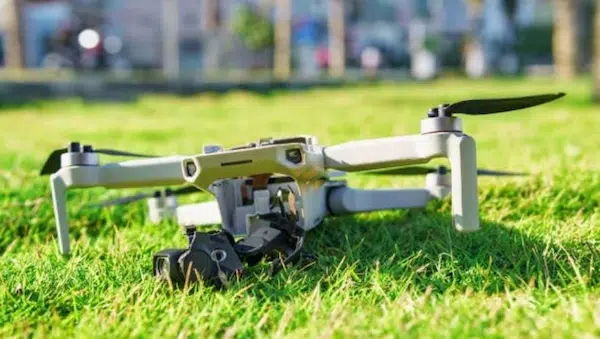
Finding lost drones can be a challenging task due to various factors. Let’s explore them:
Common Reasons For Drone Loss
Drones can be lost for various reasons, including signal interference, battery failure, strong winds, and human error. Collisions with obstacles, such as trees or buildings, can also result in lost drones. Understanding the common causes of drone loss can help drone owners take preventive measures and be better prepared for potential mishaps.
Factors Affecting The Search And Recovery Process
Finding a lost drone can be challenging, as several factors can impact the search and recovery process. These factors include the drone’s flight range, weather conditions, terrain complexity, and the drone’s visibility and audibility. By acknowledging these challenges, drone owners can tailor their search strategies accordingly.
Precautions To Minimize The Risk Of Losing A Drone
Taking precautions to minimize the risk of losing a drone is crucial. This includes conducting thorough pre-flight checks, familiarizing oneself with the flight area, ensuring a safe return-to-home altitude, monitoring battery levels and signal strength, and adhering to relevant regulations. By adopting responsible flying practices and preventative measures, drone owners can reduce the likelihood of losing their drones.
Steps To Find A Lost Drone
Don’t panic if you’ve lost your drone; instead, follow these 5 steps on how to find a lost drone by using a drone tracking app or software.
Stay Calm And Assess The Situation
In the event of a lost drone, it is important to remain calm and composed. Take a moment to assess the situation, recalling the drone’s last known actions and flight path. Panicking can hinder rational decision-making, so staying level-headed is key.
Utilize The Last Known GPS Location
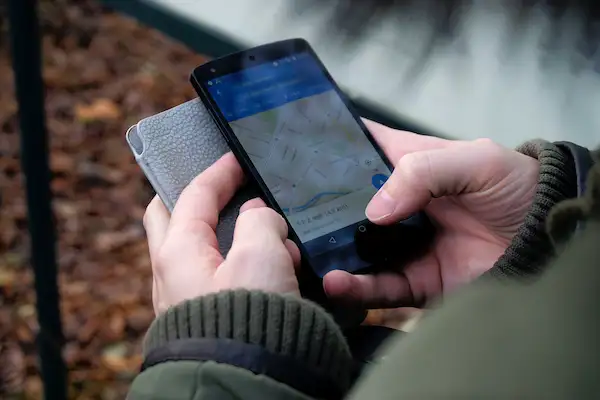
Wondering how to find a lost drone in a vast area? Start by retracing your steps and thoroughly searching the last known location. If the drone has GPS capabilities, accessing the last known GPS location can provide a starting point for the search. Many drones store flight logs or provide real-time telemetry data that can assist in determining the drone’s whereabouts.
Search The Immediate Surroundings
Begin the search for the lost drone by thoroughly examining the immediate surroundings. This includes scanning nearby trees, rooftops, bodies of water, and other potential landing areas. It is important to exercise caution while searching and to enlist the help of others if available.
Employ Visual And Audible Aids
To aid in locating the lost drone, using visual and audible aids can be beneficial. Brightly colored streamers or LED lights attached to the drone can make it more visible from a distance. Additionally, activating the drone’s audible features, such as the alarm or beeping sound, can help pinpoint its location.
Seek Assistance From Others
If the initial search efforts prove unsuccessful, seeking assistance from others can greatly increase the chances of finding the lost drone. Engaging the local community, drone enthusiasts, or online communities can provide additional resources, knowledge, and support during the search and recovery process.
Using Technology To Aid In Drone Recovery
Technology can play a crucial role in aiding the recovery of lost drones. Here are 4 fundamental ways in which technology can be used:
Utilizing Drone Tracker Apps And Software
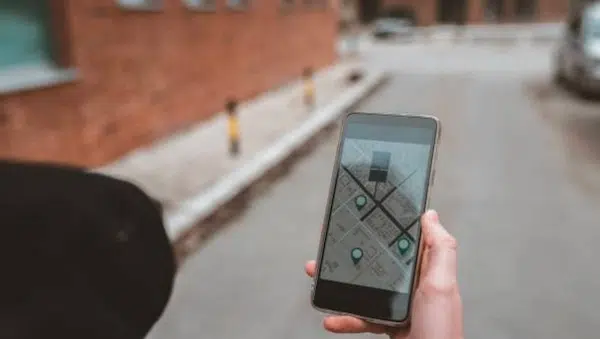
Drone tracker apps and software have become invaluable tools for locating lost drones. These applications utilize GPS technology, real-time tracking, and augmented reality to guide users toward their missing drones. By installing these apps on smartphones or tablets, drone owners can significantly enhance their search efforts.
GPS Tracking Devices For Drones
GPS tracking devices designed specifically for drones offer an additional layer of security and peace of mind. These small, lightweight devices can be attached to the drone, providing real-time location updates and enabling the owner to track the drone’s movements remotely. GPS trackers are particularly useful for long-range flights or in areas with limited cellular coverage.
Radio Frequency (RF) Signal Trackers
RF signal trackers can be utilized when GPS tracking is unavailable or ineffective. These trackers work by detecting the radio frequency emitted by the drone’s controller. By following the strength of the signal, drone owners can narrow down the search area and increase the likelihood of recovering their lost drone.
Drone Recovery Services And Online Communities
In cases where the search efforts are unsuccessful or the drone is in a difficult-to-reach location, drone recovery services can be enlisted. These services specialize in retrieving lost or stuck drones from challenging environments. Additionally, online communities dedicated to drone enthusiasts often offer guidance, support, and shared experiences that can prove invaluable during the recovery process.
Tips For Preventing Drone Loss
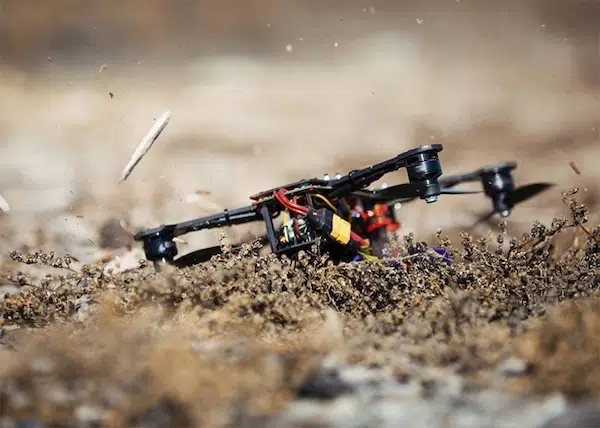
To ensure the safety and prevent the loss of your drone, here are 5 helpful tips you can follow:
Familiarize Yourself With The Flight Area
Before flying a drone, it is crucial to familiarize oneself with the flight area. Identifying potential obstacles, no-fly zones, and challenging terrain can help drone owners plan their flights more effectively and reduce the risk of losing their drones.
Maintain a Visual Line Of Sight During Flights
Maintaining a visual line of sight with the drone at all times is essential for safe and responsible flying. Losing sight of the drone can lead to disorientation and increased chances of loss. By ensuring a clear line of sight, drone owners can promptly respond to any issues that may arise during the flight.
Set A Safe Return-To-Home Altitude
Most drones offer a return-to-home feature that automatically brings the drone back to its takeoff point. Setting a safe return-to-home altitude ensures that the drone clears any potential obstacles during its return journey, reducing the risk of collision and loss.
Monitor Battery Levels And Signal Strength
Regularly monitoring the drone’s battery levels and signal strength is crucial to prevent unexpected shutdowns or loss of connection. Low battery warnings and signal loss indicators should be heeded, prompting the pilot to initiate the drone’s return or take appropriate action to avoid losing the expensive drone.
Practice Safe Flying Techniques And Follow Regulations
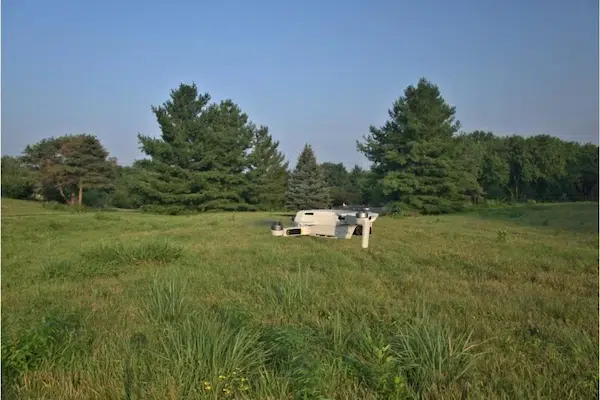
Adhering to safe flying techniques and complying with drone regulations significantly reduces the risk of losing a drone. Understanding and following local laws, respecting privacy, and practicing responsible flying behavior helps ensure a positive drone experience and minimize the likelihood of loss.
Frequently Asked Questions
1. Can I Use The Find My Drone Feature On My Drone’s Controller?
The availability of the Find My Drone feature depends on the specific drone model. Some drones offer this feature, enabling owners to track their lost drones using the controller or a connected mobile device. Refer to your drone’s user manual or manufacturer’s website to determine if this feature is available.
2. Is It Possible To Recover A Lost Drone Without GPS?
Yes, it is possible to recover a lost drone without GPS. Employing visual and audible aids, seeking assistance from others, and utilizing radio frequency (RF) signal trackers can significantly improve the chances of locating a lost drone, even without GPS capabilities.
3. What Should I Do If My Drone Lands In A Difficult-To-Reach Location?
If your drone lands in a difficult-to-reach location, it is important to assess the risks involved before attempting a recovery. If the location poses safety hazards or is inaccessible, it may be advisable to seek professional drone recovery services or consult with experienced drone enthusiasts for guidance.
4. Can I Use A Drone Tracker To Prevent Losing My Drone In The First Place?
Yes, using a drone tracker can help prevent losing a drone by providing real-time location updates and enabling drone owners to track their drones during flights. By proactively monitoring the drone’s position, owners can take immediate action if the drone deviates from its intended flight path or encounters issues.
5. Are There Any Legal Implications In Searching For A Lost Drone?
The legal implications of searching for a lost drone depend on local regulations and laws. It is important to research and comply with any legal requirements related to drone retrieval in your area. Contacting local authorities or relevant aviation authorities can provide guidance on the proper procedures to follow when recovering a lost drone.
Conclusion
In conclusion, when it comes to dealing with a lost drone, it is essential to remain calm and take proactive steps to increase the chances of recovery. This includes utilizing the last known GPS location, thoroughly searching the immediate surroundings, and using visual and audible aids.
Seeking assistance from others and leveraging technology such as drone tracker apps, GPS tracking devices, and RF signal trackers can also be invaluable in locating a lost drone. However, prevention is always better than cure, and drone owners can minimize the risk of losing their drones by practicing responsible flying techniques and adhering to relevant regulations.