Drone racing has emerged as a thrilling and adrenaline-pumping sport that combines cutting-edge technology and skilled piloting. The sport involves racing small, agile unmanned aerial vehicles known as racing drones through obstacle-filled courses at high speeds.
How fast are racing drones? Let’s delve into the various factors that affect the velocity of these flying machines.
Table of Contents
Factors Affecting the Speed of Racing Drones
The factors that affect drone speed are:
Drone Design and Aerodynamics

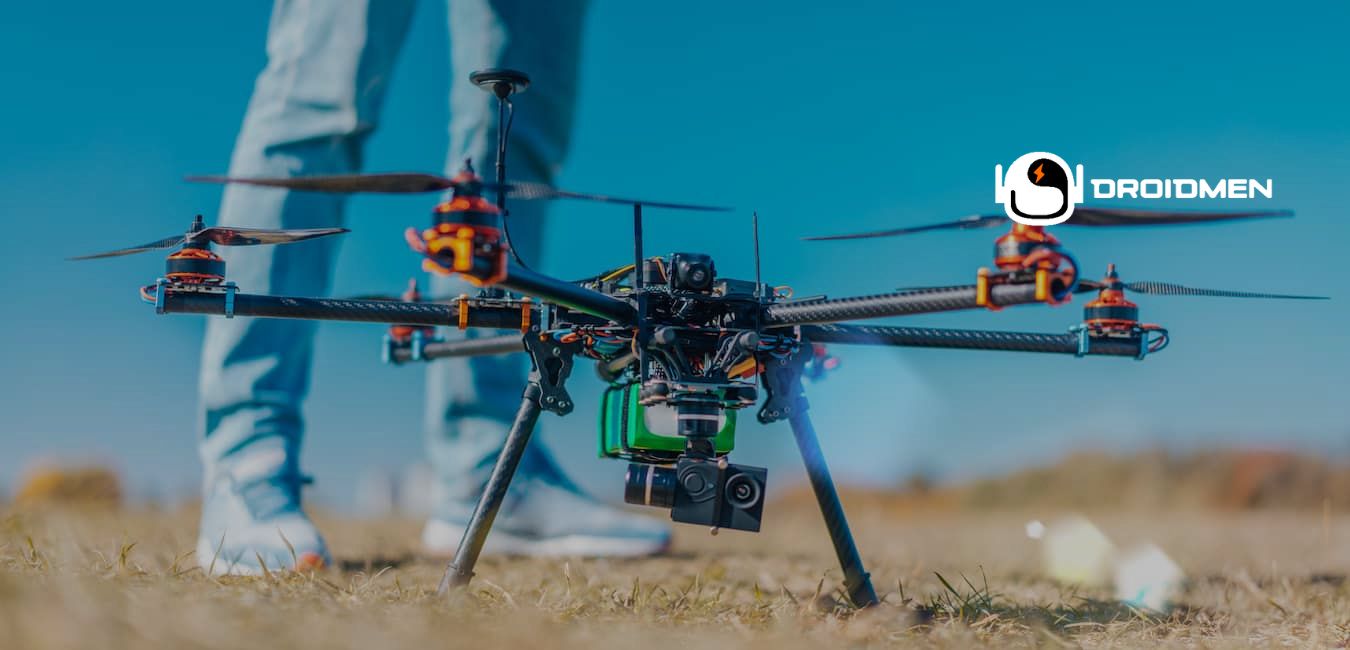
The design and aerodynamics of a racing drone play a crucial role in determining its speed capabilities. Sleek and streamlined frames reduce drag, allowing drones to slice through the air with minimal resistance. Racers often opt for lightweight materials like carbon fiber to achieve a balance between strength and weight, maximizing their speed potential.
Additionally, aerodynamic features such as airfoils and winglets can improve the efficiency of racing drones by reducing turbulence and enhancing stability during high-speed maneuvers. These design considerations allow the drone to maintain control and achieve higher speeds without sacrificing agility.
Motor Power and Propellers
Motor power and propellers are paramount in achieving high speeds in drone racing. The motors generate the thrust required to propel the drone forward, while the propellers convert that rotational force into horizontal movement. Powerful motors with high RPM (rotations per minute) and efficient propellers can significantly enhance a racing drone’s speed capabilities.
Racers often select motors with higher Kv values, indicating a greater number of revolutions per volt, enabling rapid acceleration and top speeds. Additionally, propellers with a high pitch-to-diameter ratio generate more thrust, leading to faster speeds. It’s crucial to strike a balance between motor power, propeller size, and efficiency to achieve optimal speed without overwhelming the drone’s control system.
Battery Life and Weight
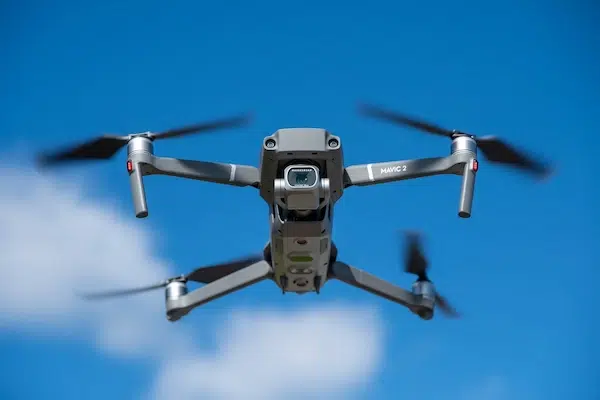
The weight of a racing drone directly impacts its speed. Lighter drones experience less gravitational force and require less power to maintain speed, allowing them to accelerate and maneuver more swiftly. However, finding the right balance between weight reduction and structural integrity is vital to prevent compromising the drone’s durability.
Battery life is another critical factor affecting speed. Racing drones rely on lithium polymer (LiPo) batteries, which provide high discharge rates to meet the power demands during races. Longer-lasting batteries enable pilots to maintain high speeds throughout the competition without sacrificing performance due to voltage drops.
Average Speeds of Racing Drones
When it comes to the question of “how fast are racing drones,” the answer lies in their impressive velocity. While average speeds may vary depending on factors such as pilot skill and course complexity, racing drones commonly attain speeds between 80 to 100 miles per hour (130 to 160 kilometers per hour).
Notable world records have witnessed drones surpassing these average speeds, with some reaching astonishing velocities of over 163 miles per hour (263 kilometers per hour). These feats demonstrate the remarkable capabilities of racing drones and the relentless pursuit of speed in this exhilarating sport.
Optimizing Racing Drone Speed
If you are intrigued by the question “how fast are racing drones” and eager to unlock their maximum velocity, exploring the following aspects can help optimize their speed:
Selecting the Right Components
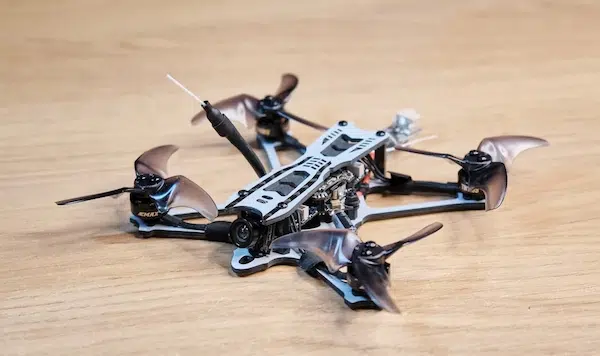
To maximize a racing drone’s speed, selecting the right components is essential. Prioritize lightweight frames, high-performance motors, efficient propellers, and LiPo batteries with ample discharge rates. Thorough research and consultation with experienced racers and drone enthusiasts can help identify the optimal combination of components for your racing drone.
Improving Pilot Skills
While the technology behind racing drones is crucial, pilot skills are equally significant in achieving high speeds. Developing excellent hand-eye coordination, reflexes, and spatial awareness is vital for precise control and navigating challenging racecourses. Regular practice sessions, simulator training, and participating in local racing events can help pilots hone their skills and push their drones to the limits.
FAQs
1. What Factors Significantly Affect the Speed of a Racing Drone?
Factors such as drone design, aerodynamics, motor power, propeller efficiency, weight, and battery life significantly impact a racing drone’s speed.
2. How do the Design and Aerodynamics of a Drone Impact Its Racing Speed?
Streamlined designs and aerodynamic features minimize drag and turbulence, allowing drones to achieve higher speeds and maintain stability during high-speed maneuvers.
3. How can I Optimize my Racing Drone’s Speed?
Optimize your racing drone’s speed by selecting lightweight components, powerful motors, efficient propellers, and long-lasting LiPo batteries. Additionally, focus on improving your piloting skills through practice and training.
4. What Role do Piloting Skills Play in Achieving High Speeds in Drone Racing?
Piloting skills are crucial for precise control, maneuvering through complex racecourses, and achieving the maximum potential speed of a racing drone.
Conclusion
Drone racing is a thrilling sport that pushes the boundaries of technology and human skill. The speed at which racing drones can travel is a testament to the relentless pursuit of excellence by pilots and engineers.
By considering factors such as drone design, aerodynamics, motor power, propellers, weight, battery life, and pilot skills, racers can unlock the full-speed potential of their drones. This way, they can choose the best racing drone according to their needs.
To make an informed decision, it’s also essential to consider the racing drone cost. As the sport continues to evolve, we can expect even faster speeds and more awe-inspiring feats from these incredible speed demons in the sky.