Soaring through the sky, zipping around obstacles, and racing at top speeds – the thrill of drone racing is unmatched. But before you dive in, you might ask, “How much does a racing drone cost?” A simple question, but the answer can range widely.
Factors like the drone’s type, its features, and additional equipment can all impact the cost. But fear not! This guide is here to break it all down for you.
Whether you’re a novice pilot or a seasoned racer, let’s take a closer look at the exciting, fast-paced, and sometimes pricey world of racing drones. Let the race begin!
Table of Contents
Understanding Racing Drones
Definition And Purpose Of Racing Drones
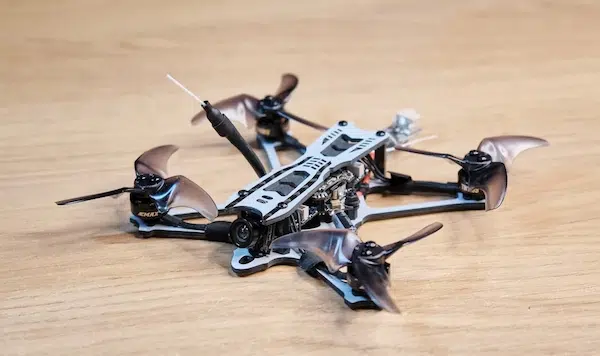
Racing drones are exciting machines built for speed and competition. They are used in drone racing, a sport where pilots guide them through racecourses at breakneck speeds. Their purpose is to give both pilots and viewers a thrilling experience.
Overview Of Racing Drone Components
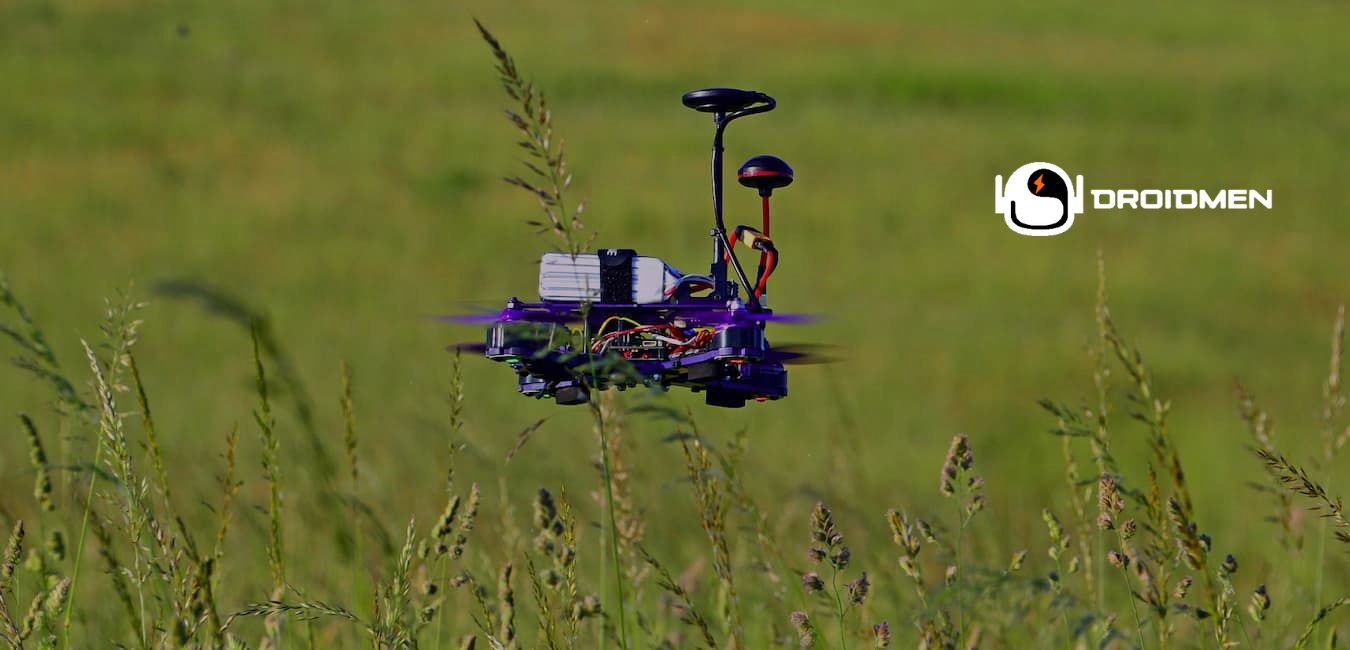
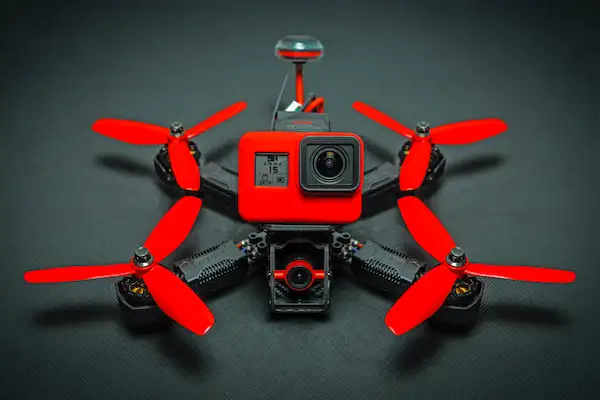
A racing drone is made up of key parts. These include a frame, motors, propellers, a camera for navigation, a flight controller to manage the drone’s movements, and a battery to power it all. Each component plays a critical role in the drone’s performance.
Different Types Of Racing Drones
There are various types of racing drones. These range from ready-to-fly (RTF) models, which are pre-built, to bind-and-fly (BAF) models that require a separately purchased controller. Some pilots even build their own racing drones from kits. Each type comes with different costs and considerations.
How Much Does A Racing Drone Cost: Influencing Factors

Frame Material And Design
Racing drone costs can vary based on the frame material and design. Carbon fiber frames, known for their strength and lightness, tend to be more costly. Additionally, frames with aerodynamic designs are often priced higher due to their speed advantage.
Flight Controller And Electronic Speed Controllers (ESCs)
The cost is also influenced by the flight controller and ESCs. These are the drone’s brains, guiding its flight. High-quality controllers that offer better flight stability and additional features can increase the overall price.
Motors And Propellers
Motors and propellers contribute to how much a racing drone costs. High-performance motors and specially designed propellers that offer faster speeds and better maneuverability generally cost more.
Camera And Video Transmission System
The camera and video transmission system, essential for FPV (First Person View) racing, can affect the price. High-definition cameras and faster video transmission systems tend to push the cost up due to their improved performance.
Battery And Power Distribution
The battery and power distribution system also play a part in the cost of a racing drone. Longer-lasting batteries and more efficient power systems can cost more. But they also provide longer flight times and better performance, which can be worth the extra cost.
Radio Transmitter And Receiver
The radio transmitter and receiver are key to controlling the drone. Higher quality transmitters and receivers offer better control and longer range. These features can add to the overall cost of the drone.
Additional Features And Accessories
Finally, any additional features and accessories can add to the price. These might include items like goggles for first-person view (FPV) flying, extra propellers, or a carrying case. While they can increase the cost, they can also enhance your drone racing experience.
Cost Ranges Of Racing Drones
Entry-Level Racing Drones
Entry-level racing drones are a great place to start for beginners. These drones are generally more affordable, with prices ranging from $100 to $200. They offer basic features, making them easier to handle for new pilots.
Examples of affordable racing drones include the Hubsan X4 Storm and the EMAX Tinyhawk, both well-suited for those starting out in drone racing.
Mid-Range Racing Drones
Mid-range racing drones sit in the middle of the price spectrum, typically costing between $200 and $500. These drones often feature more powerful motors, higher-quality cameras, and more advanced flight controllers.
Some popular mid-range racing drones include the Walkera F210 3D and the Holybro Kopis 2, both offering a balance of price and performance.
High-End Racing Drones
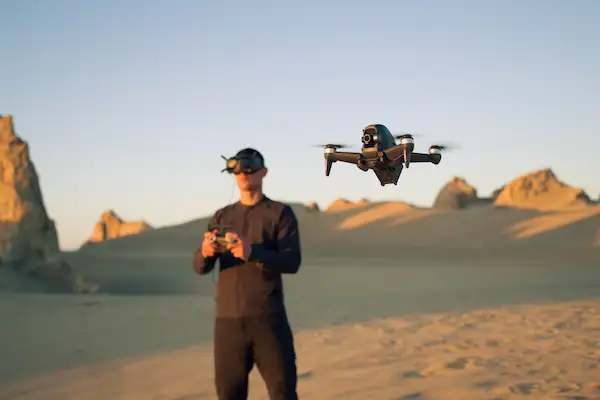
High-end racing drones represent the top tier in the market, usually priced from $500 and above. These drones come packed with top-quality components and advanced features for professional racing. They often have high-speed motors, superior cameras, and high-tech flight systems.
Examples of such premium racing drones are the T-Motor FT5 MKII and the DJI FPV, renowned for their exceptional performance.
Frequently Asked Questions
1. What Type Of Drone Is Used For Racing?
Racing drones are used for drone racing. They are designed to be fast, agile, and durable. These drones are usually smaller and lighter than other drones, making them perfect for high-speed maneuvers and races.
2. Can I Build My Own Racing Drone To Save Costs?
Yes, it’s possible to build your own racing drone and this could help save some costs. Building your own drone allows you to pick and choose components according to your budget. However, this does require a certain level of technical skill and knowledge about drone parts.
3. Are There Any Ongoing Maintenance Costs Associated With Racing Drones?
Indeed, racing drones do have ongoing maintenance costs. This could involve replacing damaged parts, such as propellers or motors, and sometimes upgrading parts for better performance. Battery maintenance and care is also an important aspect of drone upkeep.

Conclusion
Figuring out how much does a racing drone cost can be a fun journey into a world of high-speed excitement. Whether you’re just starting or already have some flight time under your belt, there’s a drone to suit your budget.
From entry-level drones at $100, to mid-range models, and high-end machines priced over $500, the choice is vast. But remember, the cost doesn’t stop at buying the drone. There are extras like batteries, upgrades, and maintenance to think about too.
So, with a little planning, you can find the right racing drone for your needs and budget. Happy flying!