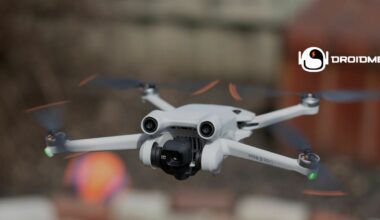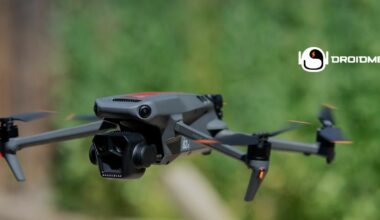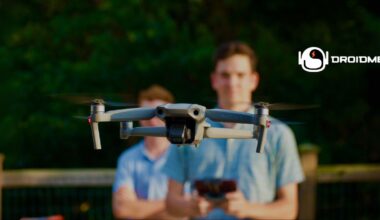
Imagine a world where drones aren’t just for taking pictures, but for racing at lightning speeds! Welcome to the thrilling universe of racing drones. For those who dream of joining this high-speed chase, a racing drone kit is your ticket.
This kit provides all the tools to build your own racing marvel. In this guide, we’re diving deep into everything you need to know about these kits. Ready to join the race? Let’s zoom in!
Table of Contents
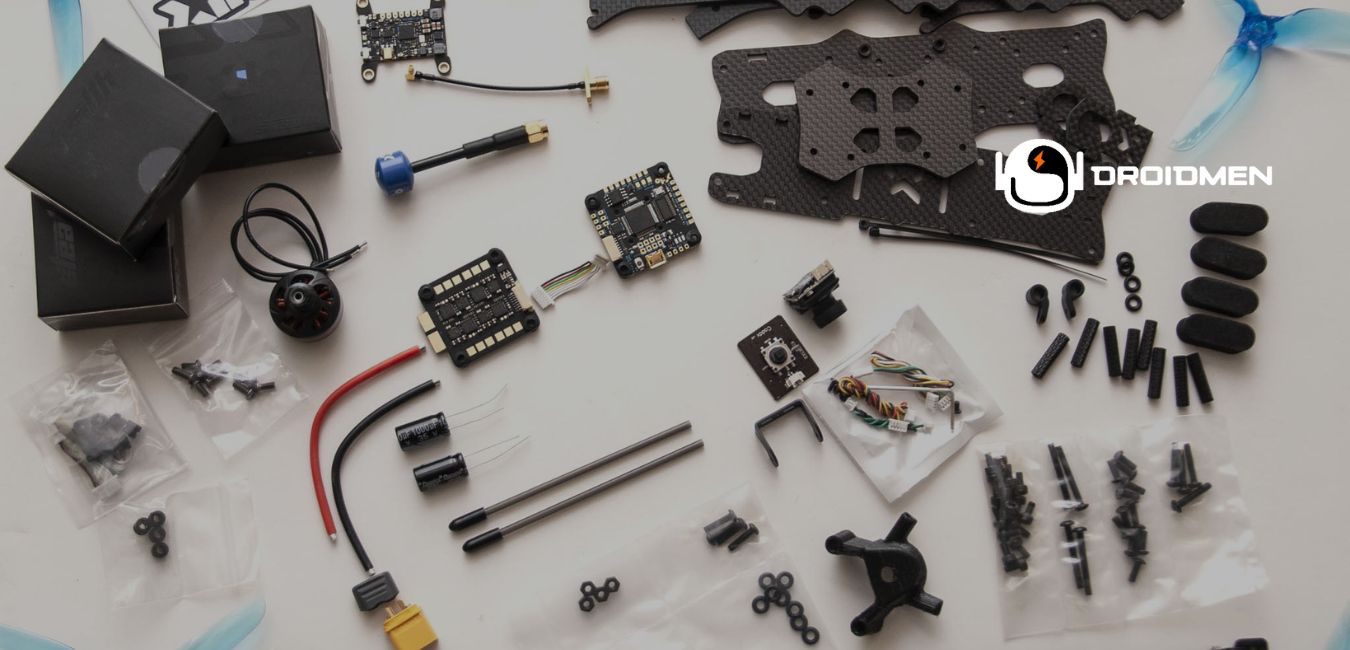
Essential Components Of A Racing Drone Kit

Frame And Structure
Think of the frame as the backbone of your drone. It holds everything together. It’s usually made of strong materials like carbon fiber. This ensures your drone stays tough but light. A good frame helps your drone fly smoothly and fast.
Motors And Propellers
Motors make your drone go up in the air. Propellers are like the hands of a swimmer, pushing against the air. Together, they determine how fast and high your drone can go. It’s essential to pick strong motors and well-shaped propellers for the best flight.
Flight Controller
The flight controller is the brain of your drone. It decides how the drone will move based on your commands. The flight controller makes it happen if you tell your drone to turn left. It keeps your drone stable and in control.
Electronic Speed Controllers (ESCs)
ESCs are like the managers of the drone. They listen to the flight controller and tell the motors how fast to spin. The ESCs make sure the motors work harder if the flight controller wants to fly higher.
They help in controlling the speed of your drone.
FPV Camera And Transmitter
The FPV camera lets you see what the drone sees. It’s your eyes in the sky! The transmitter sends this video to your screen on the ground. With this combo, you feel like you’re flying, seeing all the exciting views your drone captures.
Radio Transmitter And Receiver
This duo is how you talk to your drone. The radio transmitter is like your remote control. When you push a button, the receiver on the drone hears it. It then tells the drone what to do.
With these, you have full control of your drone’s movements.
Batteries And Chargers
Batteries give power to your drone. They are like its food. And just like us after a long day, drones get tired too. That’s when chargers come in. They refill the batteries, making your drone ready for another round of flying fun.
Factors To Consider When Choosing A Racing Drone Kit

Skill Level: From Beginner To Expert
Just starting with drones? Or are you an expert? Pick a kit that matches your skills. Beginners might want simpler kits. Experts can go for more advanced options. It’s like choosing between training wheels and a racing bike.
Frame Material And Design
The frame is your drone’s body. Some materials, like carbon fiber, are tough but light. The design affects how it moves. Think about what’s best for your racing style. A good frame keeps your drone safe and smooth in the air.
Motor And Propeller Combinations
Motors and propellers are your drone’s power team. Different combos give different speeds. It’s like matching shoes to a sport. You want the right fit. The better the match, the faster and smoother your drone will fly.
Flight Controller Features
Remember, the flight controller is the drone’s brain. Some are simple; others have cool features. Choose one that does what you need. It should listen to your commands and steer your drone just right.
FPV System Quality
FPV lets you see through your drone’s eyes. A clear picture makes flying more fun and safe. It’s like watching HD TV versus an old set. Go for quality, and you won’t miss any exciting moments.
Compatibility And Upgradability
Drones can grow with you. Some parts can be upgraded or changed. It’s like adding new apps to a phone. Choose a kit where you can swap parts as you learn. This way, your drone stays new and exciting.
Budget Considerations
Drones can be pricey. But remember, you’re investing in fun and skill. It’s like buying a good pair of shoes. They last longer and feel better. Choose a kit that offers value for your money. It should fit your needs and wallet.
Building Your Racing Drone
Assembling The Frame And Components
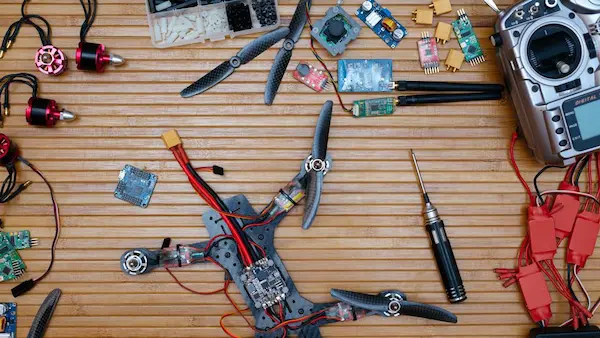
Start with the frame. It’s like the skeleton of your drone. Lay out all the parts. Fit them together as the guide says. Each piece has its place. When done right, it becomes the sturdy base for all other parts.
Wiring And Soldering: A Basic Guide
Next, let’s connect things. Wiring can look tricky, but take it step by step. Sometimes, you’ll use soldering to join wires. It’s like glue, but with metal. Be careful, and it becomes a neat and strong connection.
Flight Controller Configuration
Now, set up the drone’s brain. The flight controller needs some settings. It’s like setting up a new phone. Follow the steps. This way, the drone will know how to fly and obey your commands.
ESC Calibration And Motor Setup
The ESCs need tuning. They manage the drone’s speed. It’s like tuning a guitar. Make sure motors respond well. After tuning, your drone can speed up or slow down smoothly.
Installing FPV Camera And Transmitter
Add your drone’s eyes next. The FPV camera lets you see while flying. Attach it securely. Then add the transmitter. It sends the video to you. Now you can see all the cool views from the sky.
Radio Transmitter Binding And Setup
Last, connect your remote. This is called binding. It’s like pairing two devices. Once connected, the drone will listen to your commands. Set it up correctly. Now, you’re in full control and ready to fly!
Preparing For Flight
Safety Precautions And Regulations
Before flying, know the rules. Every place has laws for drones. It’s like knowing road rules before driving. Always fly in safe areas. With the right knowledge from your racing drone kit guide, you can have fun and stay out of trouble.
Propeller Safety And Maintenance
Propellers are the spinning blades on your drone. Always check them before flying. Make sure they are clean and not broken. Replace them if damaged. It’s like checking your shoes before a run. Good propellers make your flight smooth and safe.
Battery Charging And Handling
Batteries give life to your drone. Charge them right. Use the charger that comes with your kit. Never overcharge. It’s like filling a water bottle. Too much, and it spills. Handle drone batteries with care, and they’ll last longer.
Checking And Testing Components
Before every flight, do a quick check. Make sure all parts work well. Test the motors and controls. It’s like warming up before exercise. A well-checked drone from a racing drone kit will fly better and safer.
Upgrades And Customization
Swapping Components For Performance
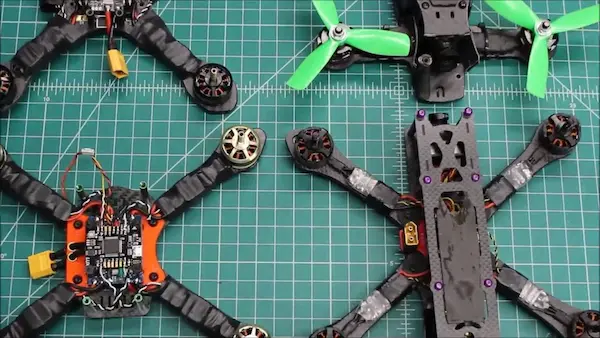
Want your drone to fly faster or smoother? Try changing some parts! It’s like swapping car tires for better grip. New motors or propellers can boost your drone’s speed. Always choose parts that match well with your drone for the best results.
Upgrading FPV System For Better Visuals
Seeing clearly from your drone makes flying so much fun. Think about upgrading your FPV system. It’s like switching to a bigger and clearer TV. Better cameras and transmitters offer brighter and sharper views. You’ll feel even closer to the action!
Adding LED Lights For Night Racing
Racing at night? Add some LED lights to your drone! They make your drone shine bright in the dark and it helps to spot the drone at night easily. It’s like adding headlights to a bike. With LED lights, you can race anytime and stand out from the crowd.
Conclusion
Wow, drones are truly amazing, aren’t they? From the tiny parts inside to the way they zoom in on the sky, there’s so much to learn and enjoy.
With the right racing drone kit, you’re not just flying; you’re creating something special with your own hands. Imagine watching your drone race up high, knowing you built it! It’s a great feeling. Remember, always stay safe and follow the rules.
With knowledge and care, you can have tons of fun with your racing drone. Ready for the adventure? The sky’s the limit! Let’s fly!