FPV (First Person View) drone kits have gained immense popularity among hobbyists and enthusiasts who are fascinated by the world of drones. These kits offer a unique opportunity to build and customize your own drone, providing a thrilling experience and numerous advantages. In this article, we will explore the essential components, benefits, assembly tips, safety considerations, and popular options, and address frequently asked questions related to FPV drone kits.
Table of Contents
Understanding FPV Drone Kits
When it comes to FPV drone kits, it is essential to grasp their definition and components, explore the diverse features and specifications they offer, and recognize the numerous benefits that come with building and customizing these exhilarating flying machines.
Definition and Components of FPV Drone Kits
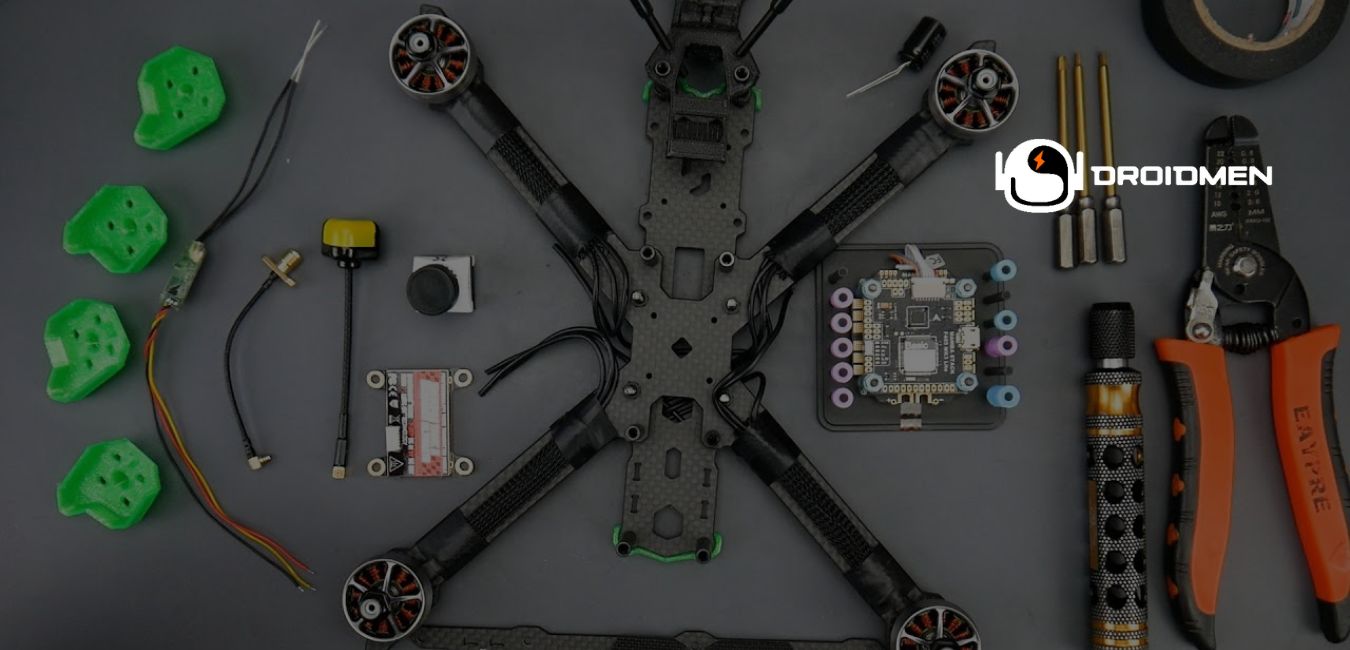
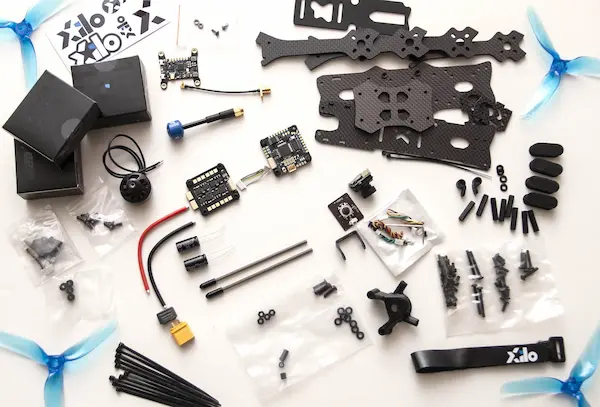
FPV drone kits are comprehensive packages that include all the necessary components required to build a fully functional drone. These kits typically consist of a frame, flight controller, ESC (Electronic Speed Controller), motors, propellers, FPV camera, video transmitter, antennas, and receiver systems. Additional accessories such as batteries, goggles, and radio controllers may also be included.
Features and Specifications of FPV Drone Kits
FPV drone kits come in various sizes and configurations, catering to different purposes and skill levels. They offer features like adjustable camera angles, onboard stabilization systems, and compatibility with different video transmission frequencies. The specifications of the components, such as motor thrust, flight controller capabilities, and camera resolution, vary depending on the kit’s intended use.
Benefits of Building and Customizing FPV Drone Kits
Building and customizing an FPV drone kit offers 3 distinctive advantages. Firstly, it allows you to tailor the drone to your specific preferences and requirements. You can choose the frame, motors, and other components based on your desired flight characteristics. Secondly, it provides a deeper understanding of how drones work, enhancing your knowledge and skill set. Lastly, building a drone from a kit is often more cost-effective compared to buying a pre-built model.

Exploring Components of FPV Drone Kits
When exploring the components of FPV drone kits, it’s important to understand the various elements that come together to create a fully functional and immersive flying experience.
Frame and Chassis
The frame and chassis provide the structure and support for all the components. They come in various materials such as carbon fiber and aluminum, offering durability and lightweight characteristics. Different frame designs cater to different types of flying, including racing, freestyle, and aerial photography.
Flight Controller and ESC
The flight controller is the brain of the drone, responsible for stabilizing and controlling its movements. It receives input from various sensors and translates them into appropriate commands for the motors. The ESCs regulate the speed and direction of the motors based on the commands received from the flight controller.
Motors and Propellers
Motors are responsible for generating thrust, enabling the drone to fly. FPV drone kits often include brushless motors known for their efficiency and power. Propellers are attached to the motors and create the airflow necessary for lift and maneuverability.
FPV Camera and Video Transmitter
The FPV camera captures real-time video footage from the drone’s perspective. It is designed for low-latency transmission, ensuring a smooth and immersive FPV experience. The video transmitter sends the live video feed from the camera to the goggles or display device.
Antennas and Receiver Systems
Antennas play a crucial role in receiving and transmitting the control signals and video feed. FPV drone kits include both omnidirectional and directional antennas for improved signal reception. Receiver systems decode the control commands and video feed sent from the drone, allowing the pilot to navigate and view the drone’s perspective.
Benefits of FPV Drone Kits
FPV drone kits offer a multitude of benefits to enthusiasts and hobbyists who are passionate about drones and the exciting experience of flying. Here are 5 key benefits of FPV drone kits:
Customization and Personalization Options
FPV drone kits offer a wide range of customization options, allowing you to build a drone tailored to your preferences. You can choose components based on your desired flight characteristics, aesthetics, and additional features such as LED lights or protective frames.
Learning and Skill Development
Building an FPV drone from a kit is a valuable learning experience. It provides an opportunity to understand the intricacies of drone technology, from soldering and wiring to configuring flight controllers. This hands-on approach enhances your knowledge and skill set, enabling you to troubleshoot and modify your drone effectively.
Cost-Effectiveness
Building an FPV drone from a kit is often more cost-effective than purchasing a pre-built model. Kits usually offer higher-quality components at a lower price compared to ready-to-fly drones. Additionally, in case of crashes or component failures, individual parts can be replaced without the need to replace the entire drone.
Access to Higher-Quality Components
FPV drone kits often feature high-quality components that may not be found in off-the-shelf models. This allows you to benefit from superior performance and reliability, as well as the ability to upgrade specific parts as technology advances.
Flexibility for Future Upgrades and Modifications
One of the significant advantages of building an FPV drone from a kit is the ability to upgrade and modify it in the future. As your skills and needs evolve, you can replace or enhance components to suit your preferences. This flexibility ensures that your drone can keep up with the latest advancements and trends in the FPV community.
Tips for Building and Assembling FPV Drone Kits
Building and assembling FPV drone kits can be an exciting and rewarding experience. Here are 5 most effective tips to help you successfully build your FPV drone:
Researching and Selecting the Right Kit
Before purchasing an FPV drone kit, thorough research is essential. Consider your flying goals, skill level, and budget to choose a kit that best suits your needs. Read reviews, watch build videos, and seek advice from experienced hobbyists to make an informed decision.
Gathering Necessary Tools and Equipment
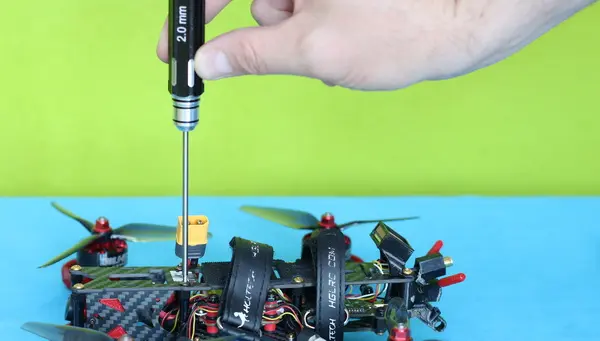
Building an FPV drone requires specific tools and equipment such as soldering iron, wire cutters, screwdrivers, and heat shrink tubing. Make sure to gather all the necessary tools beforehand to ensure a smooth assembly process.
Following the Assembly Instructions Carefully
Most FPV drone kits come with detailed assembly instructions. It is crucial to read and follow these instructions step-by-step to avoid mistakes or damage to the components. Take your time and double-check each connection and wiring before proceeding to the next step.
Testing and Calibrating the Drone Components
Once the drone is assembled, it is essential to thoroughly test and calibrate its components. Check the motor rotation directions, ensure the flight controller is properly configured, and verify that the FPV system is transmitting a clear video feed. Calibration procedures may vary depending on the specific kit, so refer to the instructions provided.
Seeking Help and Guidance from Online Communities or Experts
If you encounter any difficulties or have questions during the assembly process, online communities and forums dedicated to FPV drones are great resources. Experienced enthusiasts and experts are often willing to provide guidance, troubleshooting tips, and recommendations for beginners.
Precautions and Safety Considerations
When working with FPV drone kits, it’s important to prioritize safety to prevent accidents and protect yourself and others. Here are the 5 most important precautions and safety considerations to keep in mind:
Adhering to Local Laws and Regulations
Before flying an FPV drone, familiarize yourself with the local laws and regulations concerning drone usage. Observe airspace restrictions, maintain safe distances from people and property, and respect the privacy of others.
Properly Securing and Protecting Electronic Components
Ensure that all electronic components, including the flight controller, ESCs, and video transmitter, are securely mounted and protected within the drone’s frame. This prevents damage and interference during flight.
Checking and Ensuring Reliable Connections and Soldering
Regularly inspect and maintain the connections and soldering points of your drone. Loose connections or poor soldering can lead to component failures and crashes. Use quality solder and perform stress tests to ensure the reliability of your drone’s electrical connections.
Conducting Initial Test Flights in Open and Safe Areas
When conducting the initial test flights, choose open and safe areas away from people, buildings, and obstacles. Familiarize yourself with the drone’s controls, flight characteristics, and responsiveness before attempting more challenging maneuvers or flying in complex environments.
Regular Maintenance and Inspection of the Drone
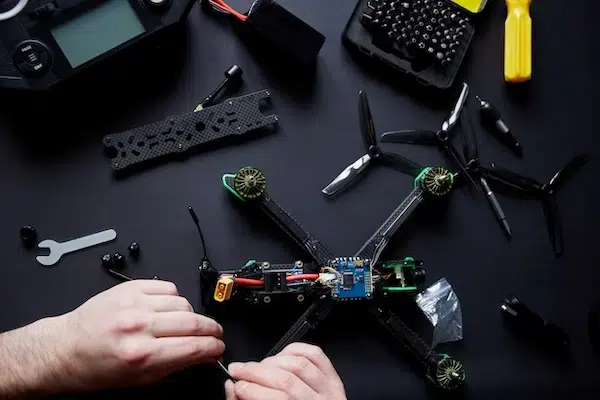
Perform regular maintenance and inspections on your FPV drone to ensure its optimal performance and longevity. Clean the motors, inspect the frame for any cracks or damage, and check the condition of the batteries and wiring. Regular maintenance reduces the risk of unexpected failures during flight.
Popular FPV Drone Kit Options
When it comes to popular FPV drone kit options, there are several well-regarded choices available. Here are the 4 notable ones:
Racing FPV Drone Kits
Racing FPV drone kits are designed for speed and agility. These racing drone kits often feature lightweight frames, powerful motors, and high-performance flight controllers optimized for quick and responsive maneuvers.
Aerial Photography and Cinematography FPV Drone Kits
Aerial photography and cinematography FPV drone kits focus on stability and capturing breathtaking footage. These kits may include features like gimbal stabilization systems, high-resolution cameras, and long-range video transmission capabilities.
Long-Range and Endurance FPV Drone Kits
Long-range and endurance FPV drone kits are built to cover extended distances and remain airborne for longer periods. These kits often incorporate larger frames, efficient power systems, and advanced radio systems for reliable long-distance communication.
Freestyle and Acrobatic FPV Drone Kits
Freestyle and acrobatic FPV drone kits are designed for performing tricks, flips, and impressive aerial maneuvers. These kits prioritize durability, responsive controls, and the ability to withstand hard impacts and crashes.
Frequently Asked Questions
1. Can I build an FPV drone even if I have no prior experience?
Yes, building an FPV drone is an excellent way to learn about drones and electronics. While some basic understanding of electronics and soldering is helpful, many beginners have successfully built their own drones by following detailed instructions and seeking guidance from online communities.
2. What tools and equipment do I need to assemble an FPV drone kit?
Typically, you will need a soldering iron, wire cutters/strippers, screwdrivers, heat shrink tubing, and a multimeter. Additionally, having access to a computer for programming the flight controller and a clean workspace is recommended.
3. How long does it take to build an FPV drone from a kit?
The time required to build an FPV drone from a kit varies depending on your familiarity with the components and the complexity of the kit. It can take anywhere from a few hours to several days, especially if you want to take extra time for calibration and testing.
4. Are FPV drone kits suitable for beginners or more advanced users?
FPV drone kits cater to both beginners and more advanced users. Some kits are specifically designed for beginners, offering simplified assembly processes and user-friendly flight controllers. Advanced users may prefer kits that allow for more customization and include higher-performance components.
5. Can I upgrade or modify an FPV drone kit after assembly?
Yes, one of the advantages of FPV drone kits is their modularity and upgradeability. You can replace individual components or add new features to your drone as your skills and preferences evolve. This flexibility ensures that your drone can adapt to your changing needs.
Conclusion
Building and customizing FPV drone kits offers a thrilling and educational experience for drone enthusiasts. The ability to personalize your drone, the opportunity for skill development, cost-effectiveness, and access to higher-quality components are some of the key advantages. By following assembly tips, adhering to safety precautions, and exploring popular options, you can embark on an exciting journey into the world of FPV drone building. So, dive in, unleash your creativity, and soar to new heights with your very own FPV drone.
You can also read another blog about FPV Drone.