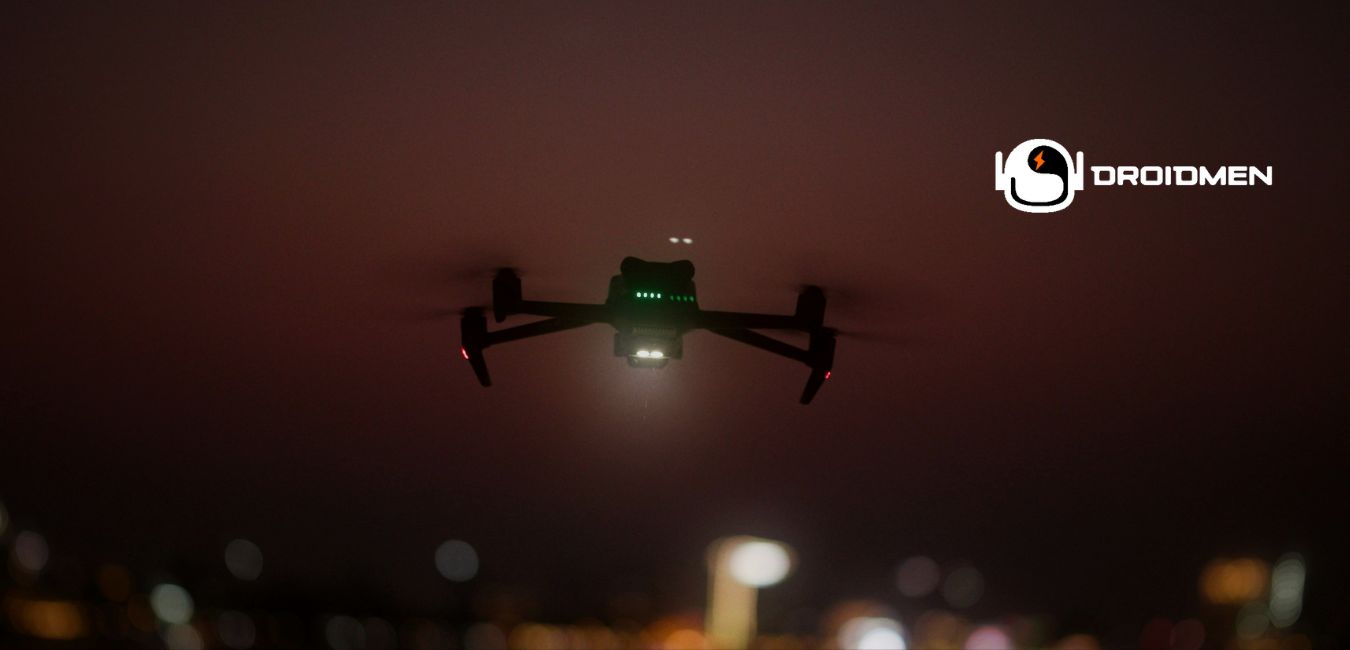
Have you ever looked up at the night sky and wondered if someone is flying a drone nearby? With the rise of consumer drones, it’s more common than you think—and if you’re concerned about privacy, safety, or just curious, knowing how to spot them is crucial.
In this guide, you’ll learn exactly how to identify a drone at night using visual cues, detection tools, and environmental awareness. Whether you’re a homeowner, hobbyist, or simply alert to your surroundings, here’s what to look for when drones roam the night skies.
Table of Contents
Why People Search For Drones At Night
Drones at night raise immediate concerns: Is someone spying? Is this legal? What if it’s near an airport? Most searches come from people who:
- See strange lights outside their window
- Hear buzzing sounds overhead
- Worry about surveillance or trespassing
These are valid reasons. Before jumping to conclusions, it’s important to understand how to spot a drone at night by identifying what drones actually look and behave like in low-light environments.
Recognizing Drone Lights And Flight Patterns
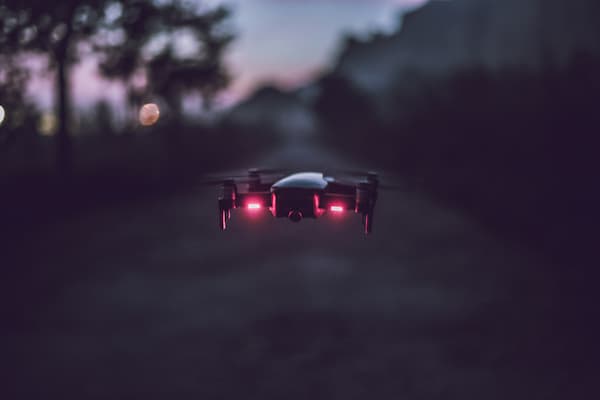
Typical Drone Lighting at Night Most drones come equipped with LED lights for orientation and visibility. Here’s how to decode them:
- Red Lights: Usually indicate the rear of the drone
- Green Lights: Often mark the front or side
- White/Strobe Lights: Common on commercial drones for FAA visibility compliance
Pro Tip: Drone lights tend to blink or pulse in patterns. Stationary red lights or rapidly flashing strobes are a giveaway.
Drone Flight Behavior
At night, a drone may:
- Hover silently in place
- Move in smooth, deliberate paths
- Make sudden directional shifts (unlike planes or birds)
Compare this with airplanes, which follow consistent altitudes and routes, or birds, which flap irregularly and don’t hover.
Tools To Help You Spot Drones
Use Thermal Imaging Cameras
Drones give off heat. A thermal camera can detect the temperature contrast between the drone and the night sky—even if it’s hidden from plain sight.
Try Acoustic Detection
Specialized devices (or apps with sensitive mics) can recognize the unique hum of drone propellers.
Portable Spotlights
A high-lumen flashlight or spotlight can illuminate a low-flying drone. Look for reflective parts and blinking lights.
Use Binoculars Or Zoom Lenses
Useful for observing flight patterns or identifying structural silhouettes.
Environmental Factors That Affect Visibility
Weather
- Rain, fog, or mist scatter light and mask drone lights.
- Wind causes erratic flight patterns, making tracking difficult.
Light Pollution
Urban areas can drown out drone lights. If possible, move to a darker location for better contrast against the sky.
Natural Light
A full moon or starlit sky can backlight drones, revealing their outlines more clearly.
Is It Legal For Drones To Fly At Night?
U.S. FAA Guidelines (check local laws if outside the U.S.):
- Drones can fly at night if equipped with anti-collision lights.
- Night flights require special certifications for commercial use.
- Flying over private property without consent may violate local privacy laws.
Concerned it’s illegal? Then you should report it.
How To Report Suspicious Drone Activity
Step-by-Step:
- Record what you see: time, date, flight path, light color, and drone behavior.
- Take video or photos if possible.
- Call local law enforcement or aviation authorities.
- Share your recordings and observations.
Most agencies take night drone activity seriously, especially near sensitive locations or residential areas.
Final Tips And Summary Checklist
Use this cheat sheet when you suspect a drone is flying nearby at night:
- Blinking red/green/white lights moving slowly or hovering? Likely a drone.
- Is it flying below 400 feet and not on a straight path like a plane? Check further.
- Use a thermal camera or directional microphone for enhanced detection.
- Report anything suspicious with evidence.
- Understand your local drone laws to know what is or isn’t permitted.
How to spot a drone at night often comes down to recognizing patterns and using simple tools. Whether you’re trying to protect your privacy or just curious about that hovering light in the sky, a little knowledge goes a long way.
Final Words
Spotting a drone at night is more common—and more doable—than you might think. By knowing the signs, tools, and laws, you can protect your privacy and safety. Stay observant, use tech if needed, and don’t hesitate to act if something seems off.
Now that you’ve learned how to spot a drone at night, you can feel more confident interpreting strange aerial activity and deciding when action is necessary. The night sky might hold more than stars. Stay informed—and stay safe.