Table of Contents
Gas Powered Drones
In recent years, drones have become increasingly popular among hobbyists and professionals alike. These unmanned aerial vehicles (UAVs) offer a wide range of applications, from aerial photography to search and rescue operations. While electric-powered drones have dominated the market, a new contender has emerged – gas powered drones. Gas powered drones offer a unique set of advantages that make them an attractive option for many users. In this article, we will delve into the world of gas powered drones, exploring their features, benefits, drawbacks, and potential applications.
What Are Gas Powered Drones?

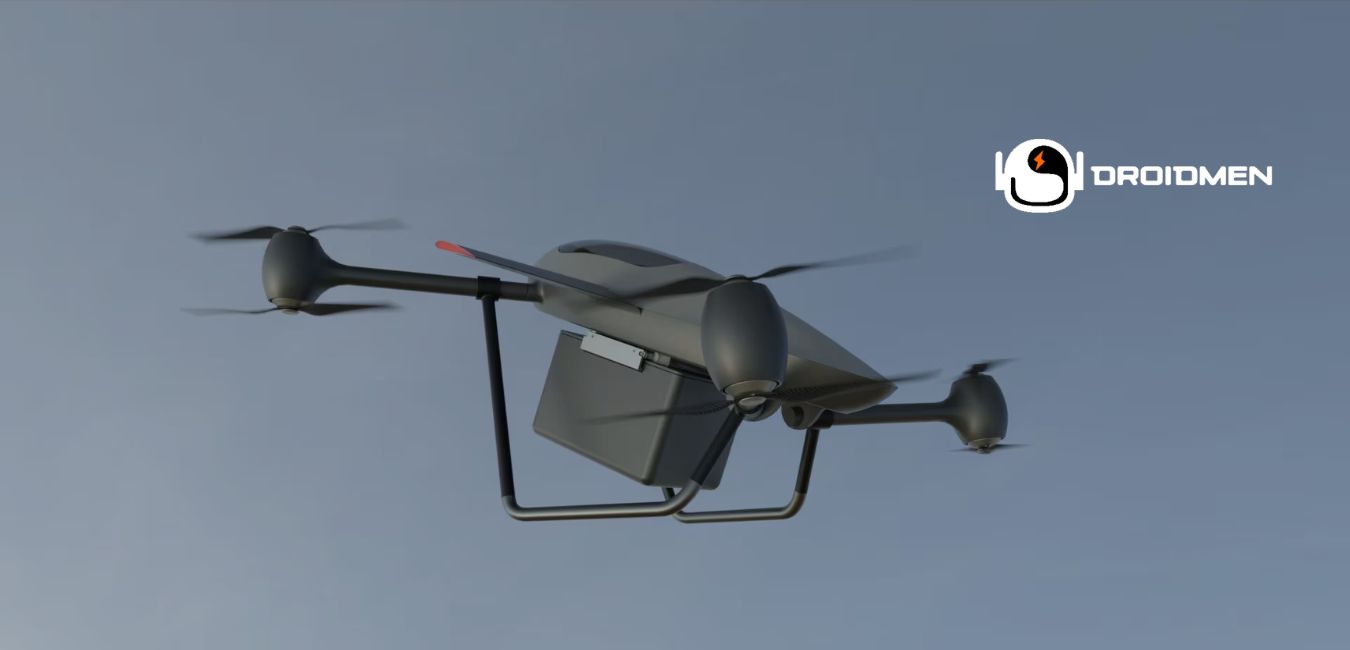
Gas powered drones, also known as gasoline or petrol-powered drones, are UAVs powered by gas engines. Unlike their electric-powered counterparts, gas powered drones are capable of flying for longer periods of time and covering larger distances. These drones come equipped with advanced features like autopilot systems, allowing for autonomous or minimally controlled flights. Gas powered drones offer more control, flexibility, and endurance, making them ideal for applications that require extended range or endurance.
How Do Gas Powered Drones Work?
Gas powered drones utilize internal combustion engines to power their rotors or propellers. These engines run on gasoline, which is stored in a fuel tank attached to the drone. The engine drives the propeller or rotor system, generating lift and propelling the drone through the air. The speed and direction of the drone are controlled by a remote control system. Gas powered drones are generally more powerful and have longer flight times than electric drones, making them suitable for applications that require extended flights or heavier payloads. However, they tend to be noisier and emit more pollution than electric drones, which may limit their suitability for certain operations.
Advantages Of Gas Powered Drones
Gas powered drones offer several advantages over their electric counterparts. Let’s explore some of these benefits:
Longer Flight Time
One of the significant advantages of gas powered drones is their longer flight time. These drones can fly for extended periods without needing to recharge. While electric drones typically have limited flight times due to battery constraints, gas powered drones can keep flying as long as they have fuel in their tanks. This makes them ideal for applications that require prolonged flights, such as aerial surveys, mapping, and inspections.
Higher Payload Capacity
Gas powered drones are generally more powerful than electric drones, allowing them to carry heavier payloads. This makes them suitable for applications that require the transportation of equipment, cameras, sensors, or communication systems. With their increased power, gas powered drones enable users to explore new heights and reach farther distances, opening up possibilities for various industries.
Greater Range
Gas powered drones have the advantage of covering greater distances than electric drones. With their extended range, these drones can be used for applications such as search and rescue missions, surveillance, and mapping. The ability to cover more ground in a single flight enhances efficiency and productivity, making gas powered drones a valuable tool in many industries.
Better Performance In Extreme Conditions
Gas powered drones are more resilient than electric drones when it comes to extreme weather conditions. Electric drones can be sensitive to temperature changes and high altitudes, affecting their performance. In contrast, gas powered drones are designed to withstand harsh conditions and continue flying even in challenging weather or tough terrain. This makes them suitable for operations in remote areas or during emergencies where reliability is crucial.
Cost-Effective
Gas powered drones can be more cost-effective to operate than electric drones. Gasoline is often cheaper than electricity, reducing the overall operational costs of gas powered drones. While the initial purchase price of a gas powered drone may be higher than that of an electric drone, the lower operating costs over time can make up for the initial investment.
Versatility
Gas powered drones offer versatility in terms of their applications. They can be used in various industries, including agriculture, search and rescue, surveillance, mapping, and more. The ability to carry heavier payloads and cover greater distances makes gas powered drones adaptable to different scenarios and requirements.
Disadvantages Of Gas Powered Drones
Alongside their advantages, gas powered drones also have some drawbacks. Let’s take a look at a few of these disadvantages:
Maintenance
Gas powered drones require regular maintenance to ensure their optimal performance. This includes checking fuel levels, inspecting the fuel system for leaks, and lubricating moving components. Additionally, the engines of gas powered drones may require occasional oil changes. Proper maintenance is essential to avoid breakdowns and ensure the longevity of the drone.
Weight
Gas powered drones are generally heavier than their electric counterparts. The additional weight can affect maneuverability and stability, requiring more skill and experience to control effectively. However, the weight can also be an advantage, as it allows gas powered drones to carry heavier payloads. The decision between a lighter electric drone and a heavier gas powered drone depends on the specific requirements and preferences of the user.
How To Choose A Gas-Powered Drone?
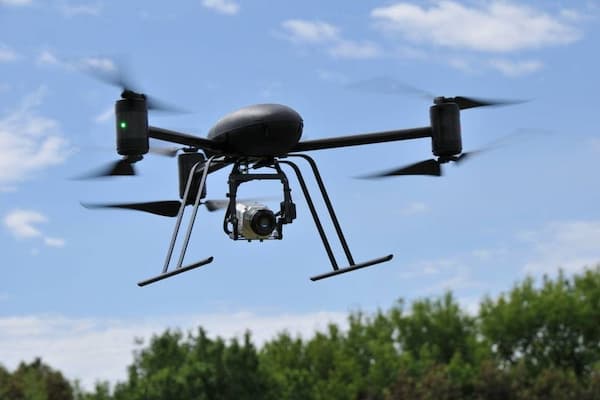
When selecting a gas-powered drone, there are several factors to consider to ensure you choose the right one for your needs. Here are some key considerations:
Purpose
Consider the primary use of the drone. Will it be used for aerial photography, surveying, agriculture, or another application? Different drones are designed for different purposes, so make sure the drone you choose is suited to your specific needs.
Flight Time
Look for a drone with a flight time that meets your requirements. Longer flight times will require larger fuel tanks and may add weight to the drone, so consider the trade-offs.
Payload Capacity
Consider the maximum payload capacity of the drone, including any cameras or equipment you plan to use. Ensure that the drone can support the weight of your intended payload.
Size
The size of the drone can impact maneuverability, stability, and range. Consider the size in relation to your intended use and the environment you will be flying in.
Engine Power
Look for a drone with a powerful and reliable engine that can withstand the conditions and workload required for your application.
Price
Gas-powered drones can vary in price, depending on their features and capabilities. Set a budget and look for a drone that meets your needs within that budget.
Support And Warranty
Choose a drone from a reputable manufacturer that offers a warranty and technical support for their products. This can be helpful in case any issues arise or if you need assistance with your drone.
By considering these factors, you can select a gas-powered drone that is well-suited to your needs and helps you achieve your goals.
Top 2 Gas Powered Drones In 2023
In 2023, two gas-powered drones stand out as the best options for users seeking power and endurance. Let’s explore the specifications and features of these drones:
Nitro Stingray
The Nitro Stingray is a gas-powered drone designed for speed and agility. With a flight time of approximately 45 minutes, this drone offers convenience and versatility for users. Weighing around 10 pounds, the Nitro Stingray strikes a balance between strength and maneuverability. It can reach speeds of up to 60 miles per hour, making it an exciting choice for racing enthusiasts. Priced at around $750, the Nitro Stingray offers excellent value for its functionalities and high speed.
Goliath Quadcopter
The Goliath Quadcopter is an advanced gas-powered drone that takes power and speed to the next level. Although still in the prototype stage, this drone boasts a 30 HP motor, delivering 1000 watts of raw power. With speeds upwards of 80 mph, the Goliath Quadcopter is the most powerful and fastest drone on the market. Its sturdy steel cage ensures durability and protection for its electronics and fuel systems. While the price is not available at this stage, the Goliath Quadcopter promises to be a top contender for users seeking unparalleled performance.
These two drones represent the cutting edge of gas-powered drone technology in 2023, providing users with exceptional power, speed, and endurance for their aerial endeavors.
Tips For Flying A Gas Powered Drone
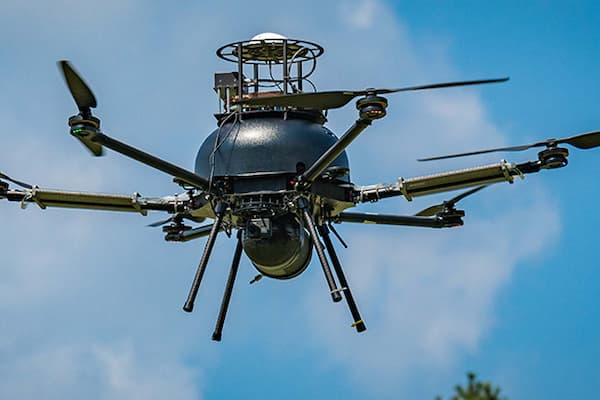
Flying a gas-powered drone can be an exhilarating experience, but it’s essential to follow some basic tips to ensure a safe and successful flight. Here are some tips to keep in mind:
Know Your Drone
Familiarize yourself with the instruction manual and learn about the controls, features, and limitations of your drone before flying.
Choose A Suitable Location
Select an open area away from people, buildings, and obstacles to fly your drone. Ensure the area is clear of power lines, trees, and other potential hazards.
Check The Weather
Avoid flying in strong winds, rain, or adverse weather conditions that may affect the stability and control of your drone.
Perform A Pre-Flight Check
Before takeoff, conduct a thorough pre-flight check of your drone. Inspect the engine, propellers, fuel levels, and other components to ensure everything is in proper working order.
Plan Your Flight
Plan your flight path in advance and have a clear idea of what you want to achieve. Consider any potential obstacles or hazards and plan accordingly.
Monitor Fuel Levels
Keep an eye on your fuel levels and plan to land and refuel before the tank runs out. This will help prevent unexpected shutdowns during flight.
Fly Within Line Of Sight
Keep your drone within your line of sight while flying. Avoid flying too high or too far away, as this can make it challenging to control and retrieve if necessary.
Follow Local Regulations
Check and adhere to any local regulations regarding drone flight, such as registration requirements or flight restrictions. Always prioritize safety and legality.
Be Respectful
Respect people’s privacy and avoid flying your drone over private property without permission. Fly responsibly and considerately.
By following these tips, you can ensure a safe and enjoyable flight experience with your gas-powered drone.
Gas Powered Drones Vs. Battery Operated Drones

When comparing gas powered drones to battery-operated drones, each has its own advantages and disadvantages. Let’s explore the key differences between the two:
Power Source
Electric drones are powered by batteries, while gas powered drones utilize internal combustion engines running on gasoline.
Flight Time
Electric drones typically have shorter flight times due to battery limitations, requiring frequent recharging. In contrast, gas powered drones can fly for longer periods without needing refueling.
Payload Capacity
Gas powered drones are generally more powerful and can carry heavier payloads than electric drones.
Noise And Pollution
Electric drones are quieter and emit no pollution, while gas powered drones tend to be noisier and produce emissions.
Cost
Gas powered drones may have a higher initial purchase price than electric drones, but they can be more cost-effective to operate. Gasoline is often cheaper than electricity, reducing operational costs.
Maintenance
Gas powered drones require more maintenance than electric drones due to their internal combustion engines and fuel systems.
Flight Control
Both types of drones can be controlled remotely, but gas powered drones may require more skill to operate due to the complexity of the engine.
The choice between gas powered drones and battery-operated drones depends on the specific application and requirements. Electric drones are often favored for indoor or noise-sensitive operations, while gas powered drones excel in applications that require longer flights, heavier payloads, and endurance.
The Future Of Gas Powered Drones
The future of gas powered drones appears bright as they offer significant advantages over electric drones. Their ability to fly for longer periods without recharging, carry heavier payloads, and cover greater distances makes them attractive to various industries and applications. Gas powered drones are also more resilient in extreme weather conditions, making them suitable for critical operations. While they require more maintenance and may be more challenging to operate, the benefits they provide outweigh these drawbacks.
As technology continues to advance, gas powered drones are likely to see further improvements in terms of efficiency, performance, and reliability. Innovations in engine design and fuel efficiency will contribute to longer flight times and reduced emissions. Additionally, advancements in autonomous flight systems and artificial intelligence will enhance the capabilities and versatility of gas powered drones.
Gas powered drones have the potential to revolutionize industries such as agriculture, search and rescue, surveillance, and mapping. Their endurance and payload capacity enable users to accomplish tasks more efficiently and effectively. As the demand for aerial capabilities grows, gas powered drones will continue to play a significant role in shaping the future of unmanned aerial vehicles.
Conclusion
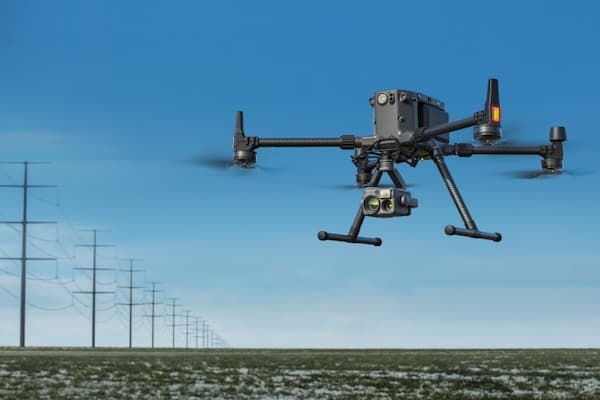
Gas powered drones offer a compelling alternative to their electric counterparts, providing users with increased power, endurance, and versatility. With longer flight times, higher payload capacities, and the ability to cover greater distances, gas powered drones excel in various applications. While they require more maintenance and may be heavier than electric drones, the benefits they offer make them a valuable tool for many industries.
When choosing a gas-powered drone, it’s essential to consider factors such as the purpose, flight time, payload capacity, size, engine power, price, and support. By selecting the right drone that aligns with your specific needs, you can maximize its potential and achieve your goals.
As gas powered drone technology continues to evolve, we can expect further advancements in efficiency, performance, and autonomy. These drones have a bright future ahead, revolutionizing industries and enabling users to explore new heights. Whether you’re a hobbyist or a professional, gas powered drones offer a thrilling and reliable option for your aerial endeavors. Embrace the power of gas and unlock the possibilities of the skies.