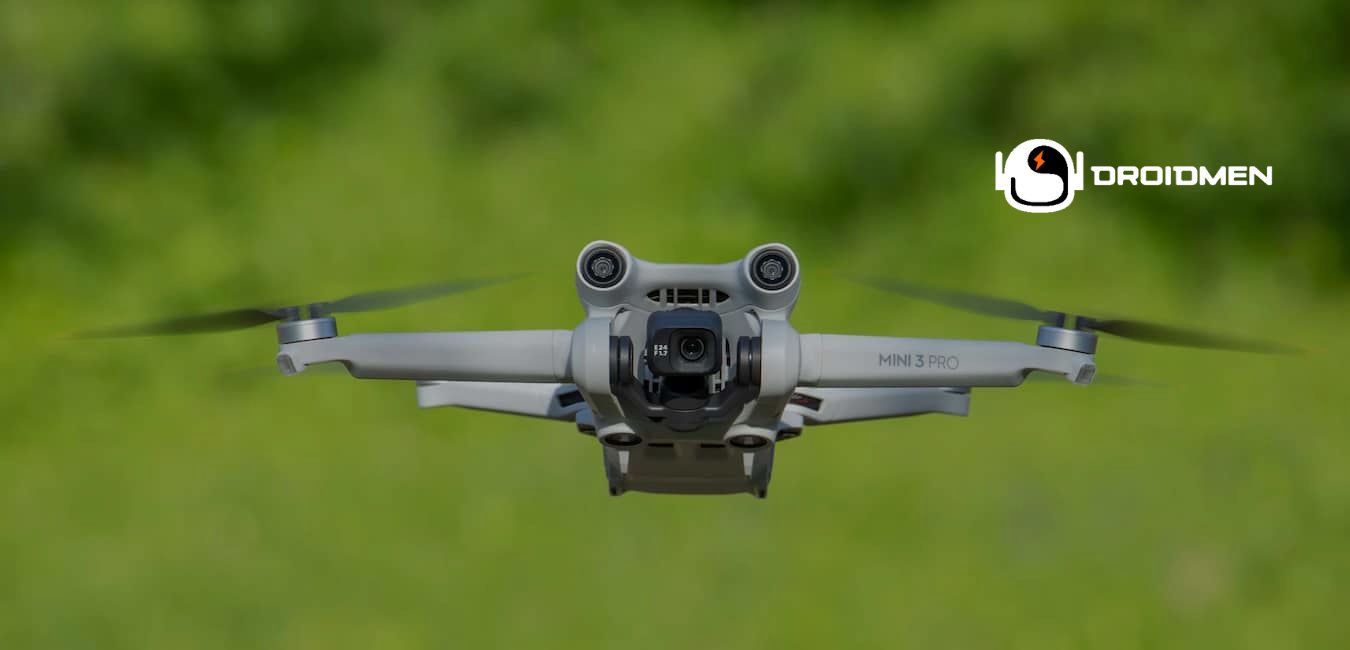
Flying drones can be an exhilarating hobby. They offer captivating aerial perspectives of landscapes. Still, can you fly drones in state parks? Read this in-depth article to find out.
When it comes to flying drones in state parks, check the rules and regulations of each park. Some parks allow drone flying in certain areas. Still, others can have restrictions to protect wildlife and visitors. Always follow the guidelines set by the park authorities before flying your drone.
Here, we’ll provide comprehensive guidance on using drones within state park settings. We’ll also address regulations, permits, and safety guidelines. We’ll focus on environmental impact, consequences of non-compliance, and alternative flying locations. Read this comprehensive article to learn more.
Table of Contents
Key Takeaways
- Check State Park Regulations: Research whether state parks allow drone flying. Also, follow any specific guidelines set by the park.
- Respect Wildlife and Nature: Keep drones away from animals and sensitive habitats. This is to decrease disruption and protect the environment.
- Safety First: Always fly drones responsibly, away from people, and follow FAA regulations. This is to ensure everyone’s safety.
State Park Regulations
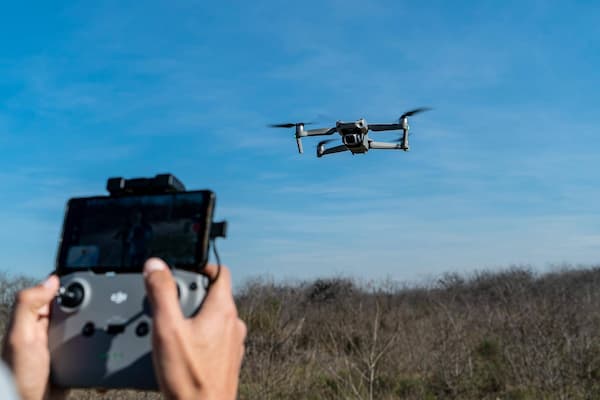
Let’s learn about state park regulations first. Review park-specific drone policies and check state laws and regulations. You must also understand permitted areas for drone flight. Let’s learn more about it.
Reviewing Park-Specific Drone Policies
State parks often have specific drone operation rules. These are tailored to protect the park’s natural resources and visitors’ safety. Before launching a drone in a state park, review these regulations. These are typically available on the park’s website or through park offices.
These policies can outline designated drone flying zones. They can also outline prohibited areas, and any extra requirements or restrictions.
Checking State Laws And Regulations
Besides park-specific rules, drone operators must comply with broader state laws. These laws govern unmanned aerial vehicle (UAV) use. These regulations can address certain issues. For instance, altitude limits, proximity to people and property, and privacy concerns.
Familiarize yourself with these laws. It helps ensure legal and responsible drone operation within state park boundaries.
Understanding Permitted Areas For Drone Flight
Not all areas within a state park can be open to drone flight. Certain zones can be off-limits to UAVs. This is to minimize disturbance and protect sensitive ecosystems. For example, wildlife habitats, historical sites, and heavily trafficked areas.
Understand where drones are permitted to fly within the park. This helps prevent unintentional violations. It also fosters harmonious coexistence with other park users.
Permits And Permissions
In this section, we’ll discuss permits and permissions to fly drones in state parks. Get necessary permits for drone use. You must follow application procedures. You also need to comply with permit conditions. Let’s get into the discussion.
Obtaining Necessary Permits For Drone Use
Some state parks need permits or permissions for drone operations. This is true, particularly for commercial or large-scale recreational activities.
These permits involve a formal application process. It includes fees and documentation of relevant certifications. For instance, Part 107 Remote Pilot Certification from the Federal Aviation Administration (FAA).
Secure the appropriate permits. It shows a commitment to compliance and respect for park regulations.
Following Application Procedures
When applying for drone permits, follow the park’s application procedures. Also, give accurate information. This can involve submitting flight plans and insurance documentation. You also need to submit proof of liability coverage.
Adhere to these requirements. This streamlines the permit approval. It also fosters positive relationships between drone operators and park authorities.
Compliance With Permit Conditions
Once granted a permit, you must follow any conditions or restrictions outlined therein. This can include limitations on flight duration and specific operating hours. This can also include mandatory reporting of incidents or accidents.
Failure to comply with permit conditions can result in revocation of privileges. It will also result in potential legal consequences.
Safety Guidelines
In this section, we’ll focus on safety guidelines for flying drones in state parks. These include safe distances from people and wildlife. You must adhere to height and speed limits. You also need to avoid restricted areas within the park. Let’s learn more about them.
Safe Distances From People And Wildlife
Maintain a safe distance from people and wildlife. This is paramount when flying drones in state parks. UAVs can scare animals or pose a risk of colliding with park visitors if operated recklessly.
Adhere to recommended separation distances. This helps decrease disturbances. It also ensures a safe and enjoyable experience for all park users.
Adhering To Height And Speed Limits
Many state parks impose height and speed limits on drone operations. These are to mitigate risks and protect park resources. Flying at excessive altitudes or speeds can increase the likelihood of accidents. It can also lead to violations of airspace regulations.
Respect these limits. This promotes responsible drone usage. It also fosters a culture of safety within the park.
Avoiding Restricted Areas Within The Park
Certain areas within state parks can be designated as no-fly zones. This is due to safety concerns, conservation efforts, or ongoing restoration projects. Familiarize yourself with these restricted areas. Also, clear to prevent inadvertent infringements.
Respect these boundaries. It preserves the park’s integrity and minimizes potential conflicts with park management.
Environmental Impact
Let’s discuss the environmental impact of flying drones in state parks. Prevent damage to park resources as a drone operator. Also, adhere to leave-no-trace principles. Let’s get into the discussion.

Preventing Damage To Park Resources
Drone operation has the potential to impact the environment. This is from disturbing nesting birds to trampling delicate vegetation. To minimize ecological harm, drone operators must exercise caution. This is when launching, landing, and maneuvering their UAVs.
Avoid sensitive habitats. Employ low-impact flying techniques. These help safeguard the natural beauty and biodiversity of state parks.
Adhering To Leave No Trace Principles
Adhere to Leave No Trace principles. This is essential to decrease the environmental footprint of drone usage in state parks.
This includes packing out all equipment and waste. You need to refrain from flying over cultural or archaeological sites. You also need to refrain from behaviors that can disrupt wildlife or vegetation.
Practice responsible stewardship. Thus you can contribute to the preservation of these cherished natural spaces.
Consequences Of Non-Compliance
In this section, we’ll explain the consequences of non-compliance. These include potential fines and the risk of drone confiscation. These also include damage to the park’s reputation. Let’s learn more about them.
Potential Fines
Non-compliance with state park regulations regarding drone operation can result in fines or citations. These can range from nominal penalties to more financial repercussions.
Fines serve as deterrents against irresponsible behavior. They also help enforce compliance with established rules and guidelines.
Risk Of Drone Confiscation
Park authorities can confiscate drones that violate park regulations. This is true, particularly in cases of repeated infractions. This is also true in shocking disregard for safety and environmental considerations.
Suppose, you lose expensive equipment due to non-compliance. It underscores the importance of understanding and adhering to park policies.
Damage To Park Reputation
Instances of non-compliant drone operations can tarnish the reputation of state parks. These operations discourage visitors and damage public perception.
Maintain a positive image. It relies on the collective efforts of park management, visitors, and stakeholders. This is to uphold standards of ethical conduct and environmental stewardship.
Legal Penalties
In severe cases of non-compliance, drone operators can face legal penalties. These are beyond fines or confiscation. For example, they can be penalized for deliberate interference with emergency operations. They can also be fined for endangerment of public safety.
These penalties can include criminal charges or civil lawsuits. They underscore the serious consequences of irresponsible drone usage within state park boundaries.
Alternative Flying Locations
Let’s learn some alternative flying locations now. These include dedicated drone parks or fields and private property with owner permission. These also include indoor flying facilities. Let’s learn them in detail.
Dedicated Drone Parks Or Fields
Dedicated drone parks or fields offer designated spaces tailored to UAV operation. These are for drone enthusiasts seeking unrestricted flying opportunities. These facilities often offer some amenities. For instance, obstacle courses, charging stations, and spectator areas.
These foster a supportive community of drone pilots. These also decrease conflicts with other recreational activities.
Private Property With Owner Permission
Get permission to fly drones on private property. It provides an alternative to crowded or regulated state parks. You can enjoy greater flight patterns and activity flexibility with the landowner’s consent. This is while respecting property boundaries and privacy considerations.
Indoor Flying Facilities
Indoor flying facilities offer a controlled environment for drone operation. These are free from weather-related concerns and airspace restrictions. These venues provide ample space for practicing maneuvers. For example, gymnasiums or indoor sports complexes.
You can also conduct aerial photography or videography sessions year-round.

FAQs
1. Do I Need A Permit To Fly A Drone In A State Park?
Yes. You will need a permit to fly drones in state parks. Rules vary by location, so always check with the park before flying. Some parks can have designated areas for drone use, while others can prohibit it altogether. Remember to follow all regulations to ensure a safe and legal flight.
2. Can I Fly A Drone Over Water Bodies In State Parks?
Yes. When flying drones over water bodies in state parks, it’s crucial to follow park regulations. Some parks allow drone flights over water, but others can have restrictions to protect wildlife and visitors. Always check with the park authorities for specific guidelines before flying your drone.
3. Are There Designated Areas For Drone Flying In State Parks?
Yes. Some state parks have designated areas for drone flying. Check with the specific park for any restrictions or such designated zones. Following park rules is essential to ensure safe and legal drone operation. This is while respecting the park’s natural environment and other visitors.
Conclusion
Navigating the complexities of drone usage within state parks requires a thorough understanding. This is of regulations, permits, safety guidelines, and environmental considerations.
Adhere to park policies. Practice responsible flying techniques. This will foster a culture of stewardship. Thus, you can enjoy the beauty of these natural spaces. This is while preserving them for future generations.
Suppose, you are exploring the vast landscapes of state parks. You can also be seeking alternative flying locations. Always put compliance and respect for the environment first. It ensures a harmonious coexistence between drones and the great outdoors.