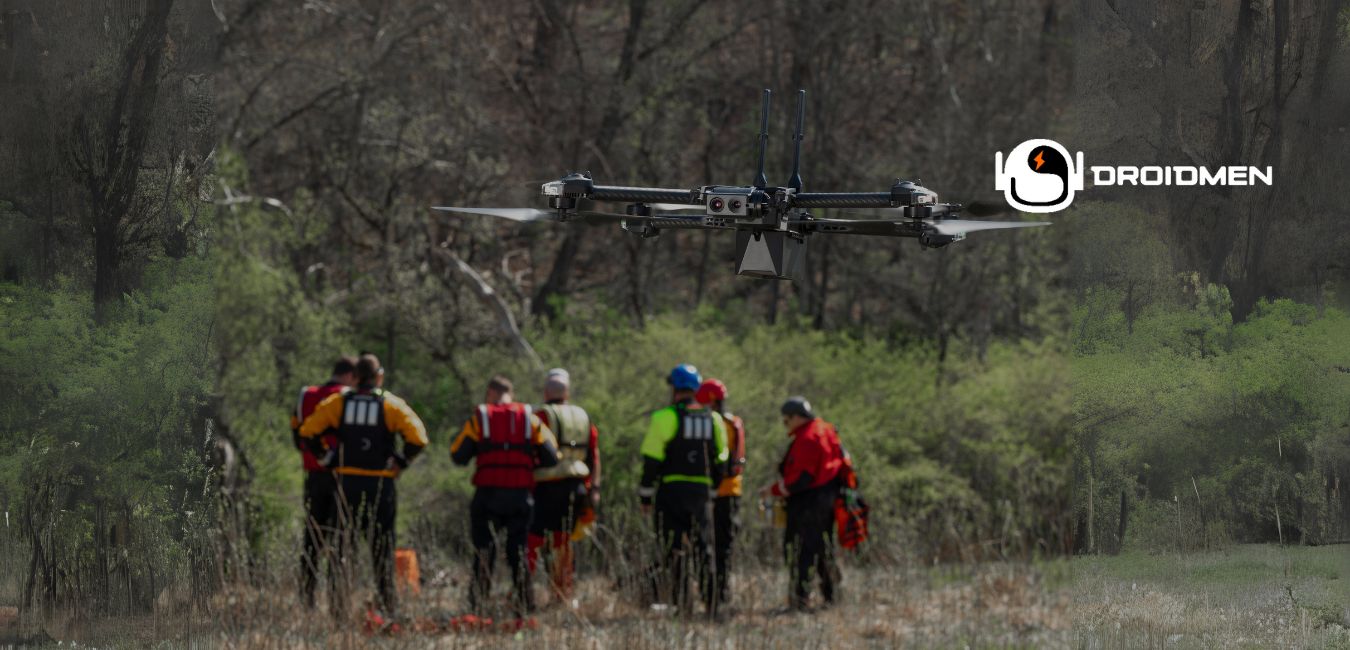
Drones are changing the way we do search and rescue missions. They fly to places fast and safely. This helps a lot in finding people who are lost or in danger. Drones can see big areas from the sky.
They can even fly in bad weather or to hard-to-reach spots. Some drones have special cameras to find people in the dark or through smoke. They also fly for a long time without needing to come back.
This means they can search large areas without stopping. Drones help rescue teams a lot by making their job easier and faster.
They have become a key tool in saving lives. This is why picking the right drone is very important for these missions.
Table of Contents
Best Drones For Search And Rescue
Choose the best drones for search and rescue from these 4 best models.
DJI Matrice 300 RTK
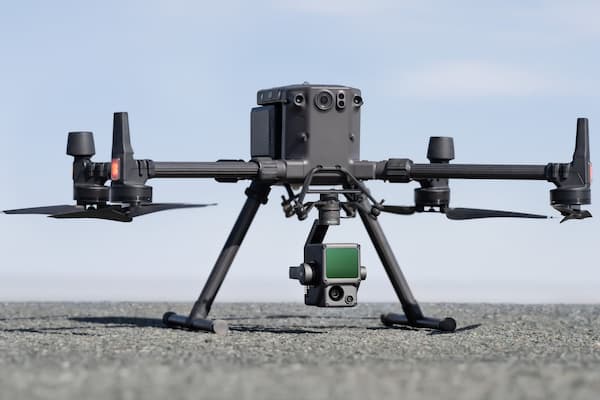
Every second counts when lives hang in the balance; that’s why search and rescue teams need the best tools. The DJI Matrice 300 RTK stands tall as a frontrunner in aerial assistance.
This high-end drone isn’t just another toy; it’s a meticulously crafted machine built for uncompromising performance in the most demanding scenarios.
Flight Time
With a maximum flight time of 55 minutes, the Matrice 300 RTK can cover vast areas, extending the crucial window for locating a missing person. This translates to more ground covered, data collected, and potentially saved lives.
Camera
Choose from a range of powerful camera options. Capture stunning 4K video and 20MP stills with the Z30 camera, or pierce darkness and foliage with the H20T’s dual thermal and zoom camera combination.
Night Vision Without Limits
Integrated headlights and low-light sensors ensure clear vision even in darkness, allowing you to continue the search around the clock.
Strong And Reliable
Built to withstand rain, wind, and dust, the Matrice 300 RTK thrives in harsh environments where search and rescue missions often unfold. An IP45 rating ensures reliable operation even in challenging weather conditions.
Camera Quality
High-resolution 4K video and 20MP photos capture crucial details that could aid in identifying missing individuals or assessing emergency situations. This visual intelligence can guide ground teams and make informed decisions on the fly.
Beyond Sight, Beyond Reach
With a transmission range of up to 15 kilometers, the Matrice 300 RTK extends the team’s reach, allowing them to explore areas inaccessible on foot or by traditional vehicles.
This expands the search area and increases the chances of finding those in need.
DJI Mavic 3T
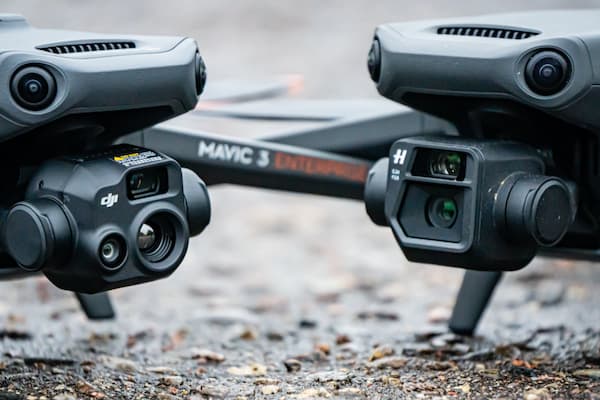
The DJI Mavic 3T is an outstanding choice for search and rescue missions, combining advanced technology with user-friendly features. Here’s a detailed breakdown of its key attributes:
Extended Flight Duration
A critical aspect of the DJI Mavic 3T is its impressive battery life. Capable of staying airborne for up to 46 minutes, this drone significantly outperforms many others in endurance.
This extended flight time is invaluable in search and rescue operations, allowing for thorough area coverage without the frequent need for recharging.
High-Quality Imaging With Hasselblad Camera
The camera system on the DJI Mavic 3T is a standout feature. Equipped with a 4/3 CMOS Hasselblad sensor, it captures exceptionally clear and detailed images.
This high-resolution imaging is crucial in identifying individuals needing help, even in challenging terrains or dense foliage.
Zoom Capabilities For Detailed Viewing
The drone’s zoom lens is another vital feature for search and rescue. It allows operators to closely inspect areas of interest from a safe and non-intrusive distance.
This capability ensures that the drone can survey hard-to-reach locations or dangerous terrains without risking the safety of the rescue team.
Thermal Imaging For Enhanced Detection
The inclusion of a thermal imaging camera sets the DJI Mavic 3T apart in search and rescue operations.
Thermal cameras are invaluable in detecting heat signatures, especially in low-visibility conditions such as nighttime or in smoke-filled environments.
This feature enables rescue teams to locate individuals based on their body heat, a crucial advantage in time-sensitive rescue scenarios.
Robust Build For Diverse Conditions
Durability is a key consideration for search and rescue drones. The DJI Mavic 3T is designed to withstand various weather conditions, a common challenge in rescue missions.
Its sturdy build ensures reliable performance even in less-than-ideal environments, making it a dependable tool in critical situations.
Obstacle Sensing
Features like obstacle sensing and advanced piloting modes simplify operation, allowing the rescue team to concentrate on the mission rather than drone navigation.
This ease of use is essential in high-pressure rescue operations where quick and efficient deployment is crucial.
Portability For Rapid Deployment
The compact and foldable design of the DJI Mavic 3T enhances its suitability for search and rescue missions.
Its portability ensures it can be quickly deployed, which is essential in swiftly reaching remote or difficult-to-access areas.
The ability to transport and set up the drone rapidly can make a significant difference in rescue operations where time is of the essence.
Autel Robotics EVO II Dual 640T Enterprise V3
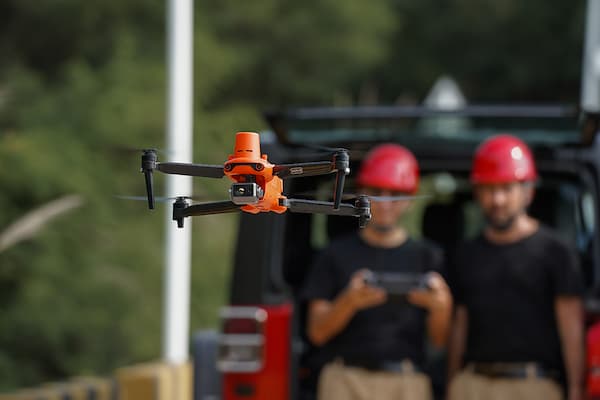
The Autel Robotics EVO II Dual 640T Enterprise V3 stands out when saving lives in search and rescue missions. This drone is not just any flying device; it’s a life-saver in the skies. Here’s why it’s a top pick for such critical missions.
Powerful Cameras For Clear Vision
The EVO II Dual 640T has two amazing cameras. One is a high-resolution camera that lets you see clearly, even from far away. The other is a thermal camera.
This special camera helps you find people by their body heat, even in the dark or through smoke. Imagine being lost and someone finding you from the sky, even at night. That’s what this drone can do.
Long Flight Time Keeps It In The Air Longer
This drone flies for a long time without needing a break. It can stay in the air for up to 42 minutes.
This means it can search large areas without stopping. When every minute counts in finding someone, this drone stays up longer to help.
Tough And Ready For Any Weather
Search and rescue missions don’t wait for good weather. The EVO II Dual 640T is tough.
It can fly in wind and rain, making it perfect for emergencies. Whether it’s a windy mountain or a rainy forest, this drone can handle it.
Easy To Use And Take Anywhere
You may think such a powerful drone is hard to use or too big to carry around. But it’s not.
It’s easy to control, and you can take it anywhere. It fits in small cases, so you can bring it to remote or hard-to-reach places.
Helps In Planning And Keeping In Touch
The drone also has smart features. It can make maps of the area it flies over. This helps the rescue team plan better. It also stays connected well, so the team can see what the drone sees in real time.
Yuneec H520
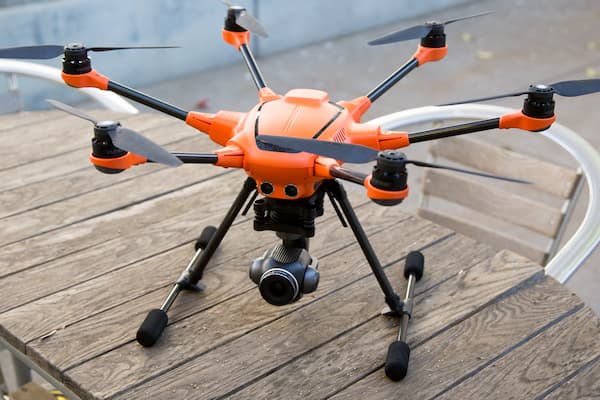
When we talk about drones for search and rescue, the Yuneec H520 stands out. This drone offers features that make it perfect for vital rescue missions.
Flight Time
Boasting a flight time of up to 50 minutes, the H520 can cover vast search areas, allowing teams to explore wider swaths of terrain and extend the critical window for finding missing persons.
This extended endurance translates to more ground covered, more data collected, and potentially more lives saved.
Extended Range
Search and rescue missions often involve vast areas, and the H520’s long-range capabilities make it perfect for such scenarios. Teams can cover more ground quickly and efficiently, increasing the chances of locating missing individuals.
Weather Resistant
The H520 can operate in challenging weather conditions, allowing search and rescue missions to continue even when the elements turn harsh. This resilience ensures that the drone is available, regardless of the environment.
Six-Rotor Design For Added Stability
Unlike traditional quadcopters, the H520’s six-rotor configuration provides enhanced stability and control, making it less susceptible to wind gusts and turbulence.
This stability is crucial for maintaining a clear view of the search area and collecting accurate data.
Six-Rotor Stability
Unlike traditional quadcopters, the H520 utilizes a hexacopter configuration with six rotors. This enhances stability and wind resistance and provides redundancy in engine failure, minimizing the risk of losing the drone during a critical mission.
Key Features To Consider In Search And Rescue Drones
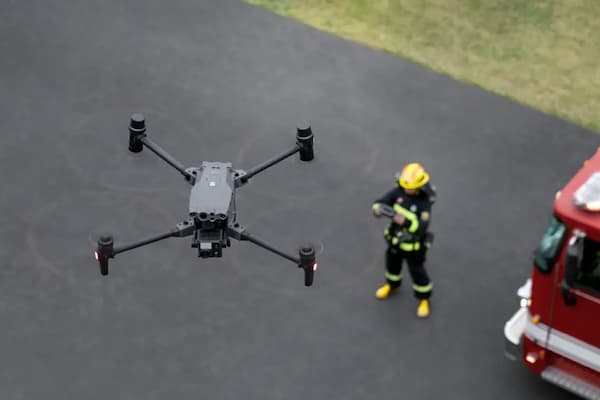
Regarding search and rescue missions, the right drone can make all the difference. To ensure you choose the best drone for these critical tasks, it’s important to understand the key features that impact their performance.
Long Battery Life
One of the most important features of a search and rescue drone is its battery life. A drone with a long-lasting battery is crucial because it determines how long it can stay in the air during a mission.
In search and rescue, every minute counts, and having to land frequently for recharging can waste valuable time. Ideally, look for drones that offer extended flight times, allowing them to cover large areas without interruption.
High-Quality Camera
The camera on a search and rescue drone isn’t just for recording footage; it’s a vital tool for spotting and identifying people needing help.
High-quality cameras with advanced features like high-resolution imaging, zoom capabilities, and night vision are essential.
These features enable operators to see clearly from high altitudes and in various light conditions. Some drones are also equipped with thermal imaging, which is invaluable for finding individuals in low-visibility conditions or at night.
Durability And Weather Resistance
Search and rescue operations often take place in challenging environments.
Drones used in these situations must be robust and able to withstand various weather conditions, including rain, wind, and extreme temperatures.
A durable drone ensures reliable operation when needed and reduces the risk of damage in harsh conditions.
GPS And Autopilot Functions
GPS functionality is crucial for precise navigation and mapping during search and rescue missions. It allows the drone to pinpoint its location and navigate efficiently.
Autopilot features are equally important. They enable the drone to follow pre-determined flight paths, which frees the operator to concentrate on analyzing the camera feed and coordinating with rescue teams rather than solely piloting the drone.
Communication Range And Reliability
A search and rescue drone must maintain a strong and stable connection with its operator, especially over long distances.
The communication range dictates how far the drone can travel from its controller while maintaining a reliable link.
This is crucial for expansive search areas. Moreover, a reliable communication system ensures that the video and data feeds are consistently transmitted to the operator without interruption or loss of quality.
Portability
In search and rescue operations, response time is critical. A portable drone can be quickly transported to various locations, making it ideal for rapid deployment.
Compact and lightweight drones are easier to carry, especially when rescuers must travel on foot to remote or inaccessible areas.
Payload Capacity
Some search and rescue missions may require drones to carry additional payloads, such as medical supplies, communication devices, or even life-saving equipment.
A drone with a significant payload capacity can deliver essential items to victims before ground teams reach them, potentially saving lives.
Challenges And Limitations In Using Drones For Search And Rescue
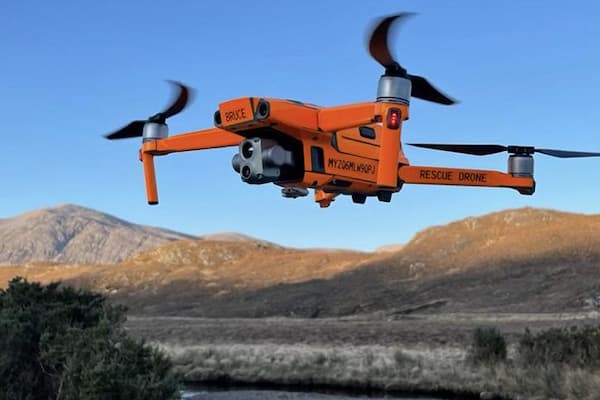
Using drones for search and rescue is a smart idea. They fly fast and can go where people can’t. But, like anything, they have challenges and limits. Let’s talk about these.
Regulatory Issues
One big challenge is rules. Different places have different rules for flying drones. In some areas, you can’t fly them high or near airports. This can make it hard to use drones in certain rescue jobs.
Also, you may need special training or permission to fly them. This means not everyone can just pick up a drone and use it for rescuing.
Technical Limitations
Drones are great, but they have limits. Their batteries don’t last forever. They need to come back and charge, which can take time.
Also, if many drones fly in the same place, their signals can mix up. This can make controlling them hard.
Plus, drones need a good signal to talk to the controller. The drone may not do what you want if the signal is weak.
Environmental Constraints
The environment can be tough on drones. Bad weather like rain, wind, or snow can make it hard to fly them.
Also, drones may have trouble moving around in places with many trees or mountains. They need a clear path to fly and see well.
Conclusion
When choosing the best drones for search and rescue, look for ones with long battery life, high-quality cameras, and durability. Drones like the DJI Matrice Series, Parrot Anafi Thermal, and Autel Robotics EVO II Dual stand out for their features.
They can fly for a long time, capture clear images, and work in tough weather. These drones help a lot in finding and helping people in need.
Remember, the right drone depends on your rescue needs and the area you’ll cover. With the right drone, search and rescue missions become more effective and save lives.