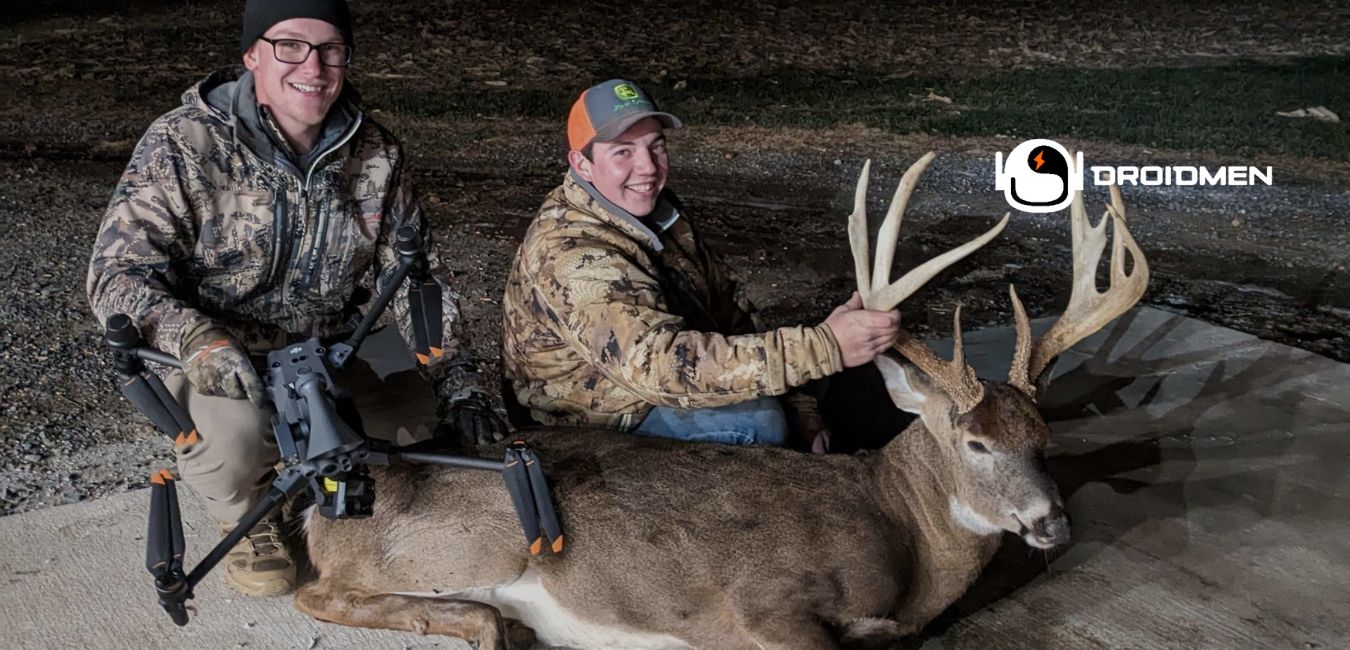
Drones have become incredibly useful in many areas, including wildlife recovery. Their abilities offer new hope and raise the question: can you use a drone to recover deer?
Yes, you can use a drone to recover a deer. Drones usually include features like thermal imaging, and they can provide advanced search capabilities. This makes the process of recovering a deer more efficient. This way, it increases your chances of successfully locating the deer in need.
In this article, we’ll explore how drones are used in deer recovery. We’ll discuss their special features and best practices.
Table of Contents
Key Takeaways
- Thermal Imaging: Drones with thermal imaging technology can improve the chances of finding lost or injured deer.
- Legal Concerns: Knowing the laws and rules for responsible drone use is crucial for effective wildlife recovery.
- Successful Operations: Working with wildlife experts and following the best practices can ensure a successful deer recovery operation.
Drone Technology For Deer Recovery
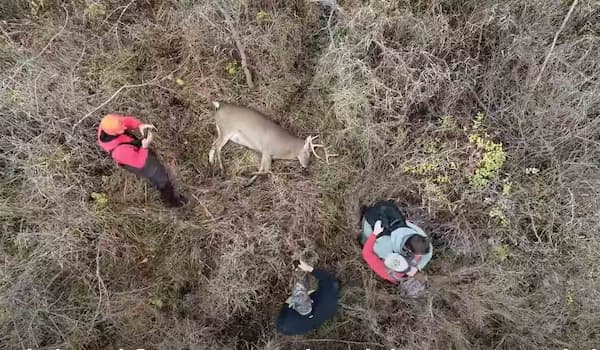
Drones, also known as unmanned aerial vehicles (UAVs), have proven to be important tools in various fields. They offer a faster and more efficient approach. Let’s explore how drones can be specifically beneficial in locating and recovering deer.
Drone Capabilities For Locating Deer
Drones have a bird’s-eye view that helps in finding deer across large areas quickly. Picture this: a small flying robot that can cover large areas quickly, giving it an advantage over ground searches.
With their aerial perspective, drones increase the chances of spotting deer from above. This makes the search process more effective.
Use Of Thermal Imaging For Enhanced Tracking
Thermal imaging is a special technology used by drones. This technology allows drones to detect heat signatures, making it easier to track deer. This feature is especially helpful in challenging conditions.
For example, deer are hard to see with the naked eye in low-light situations or dense vegetation. By using thermal imaging, drones increase their tracking capabilities. So you can locate the deer easily.
Speed And Efficiency In Large And Remote Areas
Drones are great for searching in large and remote areas where traditional searches are difficult. Imagine a drone flying over dense forests or wide fields, covering ground that would take much longer on foot.
This speed and efficiency are important for finding deer in areas that are hard to access manually. Drones help in a faster and more efficient recovery process. It increases the likelihood of locating lost or injured deer.
Advantages Over Traditional Search Methods
Drones offer several advantages over traditional search methods. They save time and effort by covering large areas quickly. Instead of relying on manual searches that may miss deer, drones provide a more thorough and efficient approach.
By using drones, the recovery process becomes more effective.
Legal Considerations
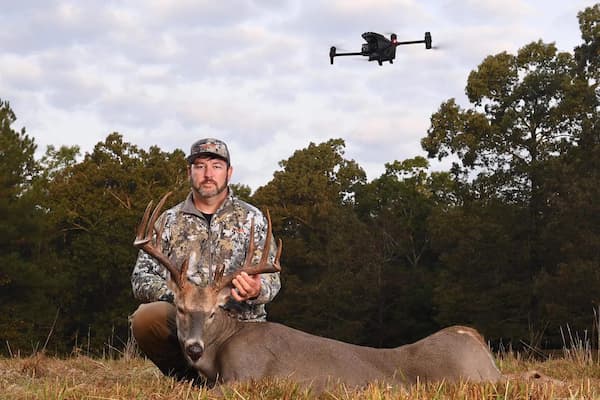
Understanding the rules and laws of using drones in deer recovery is important. It ensures responsible and lawful drone operations. Have a detailed look.
Regulations Regarding Drone Usage In Hunting
When it comes to using drones for hunting, there are specific rules you should follow. These rules, known as regulations, outline how and when you can use drones while hunting.
For instance, some places completely ban the use of drones during hunting, while others have rules about the features the drone can have. It’s crucial to understand and follow these rules to ensure you are using a drone legally while hunting.
Permissions And Restrictions In Different Regions
Using drones for hunting is not the same everywhere. Different regions have different rules, which means you need to check and understand the permissions and restrictions in the specific area where you plan to use a drone.
Some places allow you to use drones freely, while others have certain restrictions in place. Knowing these rules is essential to stay within the legal boundaries.
Ethical Considerations For Responsible Drone Use
Using drones for hunting comes with responsibilities beyond just following the law. Being ethical means using drones in a way that respects the environment, wildlife, and other people. It’s not only about what you can do legally but also about what is right.
Consider the impact of using drones on nature, and use them responsibly to avoid causing harm or disruption. By being aware, you contribute to the responsible use of drones in hunting activities.
Best Practices For Deer Recovery With Drones
Utilizing best practices is key to successful deer recovery using drones. You must understand deer behavior, fly at optimal altitudes, and collaborate with wildlife experts. We have discussed it in detail here.
Understanding Deer Behavior For Effective Search
To find deer using drones, it’s crucial to understand how they behave. Deer often follow specific patterns in their movements. For instance, they use particular paths or areas at different times of the day.
Knowing these behaviors helps plan more effective drone searches. By understanding how deer behave, you can use drones to increase the chances of spotting them.
Optimal Flying Altitudes And Speeds
For drones to work well in deer recovery, they need to fly at the right height and speed. Flying too high or too low can make it challenging to spot deer. Finding the optimal altitude and speed is essential for covering the area efficiently.
This ensures a better chance of spotting deer during the search and makes the drone more effective in the recovery process.
Utilizing GPS And Mapping For Strategic Planning
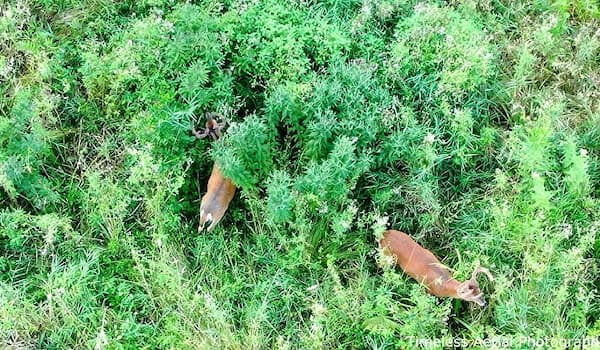
GPS and maps are valuable tools when planning drone searches. They help create a strategic plan for covering the area where deer are located. Using GPS technology and maps enables precise navigation of the drone.
This increases the chances of locating deer during the recovery process. It also makes the search more efficient and focused.
Collaborating With Wildlife Authorities And Experts
Teamwork with wildlife authorities and experts is a wise choice when using drones for deer recovery. These professionals have great knowledge about deer behavior and habitats. Collaborating with them increases the effectiveness of drone searches.
They can provide valuable insights and help make the recovery process more successful.
Potential Challenges And Solutions
We can face some problems when using drones, like bad weather and limited battery life. To tackle these issues, we need to plan well, choose the right time to fly the drones and be careful not to harm the wildlife.
Weather Conditions Affecting Drone Performance
Weather can affect how well drones work. Rain, strong winds, or snow can make it hard for drones to fly properly or see things clearly. It’s important to check the weather before using a drone for deer recovery.
Planning around weather conditions helps ensure the drone works effectively.
Battery Life And Range Limitations
Drones use batteries to fly, but these batteries don’t last forever. They can run out, and drones can only fly a certain distance before they lose connection.
It’s crucial to keep an eye on the battery life and be aware of how far the drone can go. Managing these factors helps prevent issues during deer recovery operations.
Mitigating Risks To Wildlife During Drone Operations
Using drones near wildlife comes with risks. The noise or presence of a drone may disturb animals like deer. To avoid this, it’s important to fly drones responsibly and keep a safe distance from wildlife.
Being conscious of the potential impact on animals helps mitigate risks. It ensures the safety and well-being of the deer and other wildlife in the area.
Responsible drone use is key to minimizing negative effects on the environment and the animals you’re trying to help.
FAQs
1. What Kind Of Drone Do I Need For Deer Recovery?
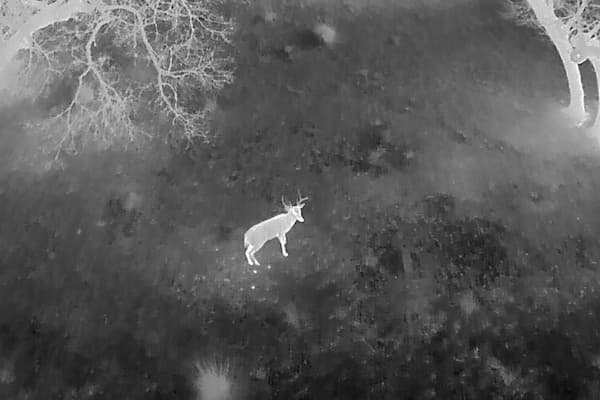
For deer recovery, it is best to use a drone with features like thermal imaging. Also, consider drones with good camera quality and the ability to fly at optimal heights. They are ideal for effective searches.
2. How Much Does Drone Deer Recovery Charge?
The cost of drone deer recovery can vary. Factors like the type of drone used, services provided, and how complex the operation is influence the charges. It is a great idea to ask the drone recovery services for specific pricing details.
3. Are Deer Scared Of Drones?
Deer can be sensitive to the presence of drones, and they get scared. It’s crucial to fly drones responsibly. Always keep a safe distance to minimize disturbance and stress to the deer during recovery operations.
Conclusion
Using drones for deer recovery offers a promising and effective approach. By following the rules, using them well, and solving problems that come up, we can make sure drones help find and assist lost or hurt deer.
As technology gets better, using drones responsibly helps animals and keeps our environment healthy.