Table of Contents
How much weight can a drone carry
Drones have revolutionized various industries by offering a wide range of applications, from aerial photography to package delivery. One crucial aspect to consider when utilizing drones is their carrying capacity–the maximum weight they can lift and transport.
Understanding a drone’s carrying capacity is vital for efficient and safe operations. In this comprehensive guide, we will explore the factors that influence a drone’s carrying capacity, different categories of drones and their respective capacities, the implications of overloading a drone, and tips for maximizing its carrying capacity. So, let’s dive into the world of drone carrying capacity and discover how much weight a drone can really carry.
Factors Influencing a Drone’s Carrying Capacity

When it comes to determining a drone’s carrying capacity, several factors come into play. Understanding these factors is crucial for assessing the drone’s capabilities and ensuring safe and efficient operations. Here are the key factors that influence a drone’s carrying capacity:
1. Size and Design of the Drone
The size and design of a drone play a crucial role in determining its carrying capacity. Generally, larger drones tend to have higher carrying capacities due to their increased power and larger propellers. The structural integrity and stability of the drone are also influenced by its design, which affects its ability to bear additional weight.
2. Power and Battery Life
Power and battery life are significant factors affecting a drone’s payload capability. Drones with more powerful motors and larger batteries can generate sufficient thrust to carry heavier loads. Longer battery life allows for extended flight durations, which can be advantageous when transporting heavier payloads over longer distances.
3. Weather and Environmental Conditions
Weather and environmental conditions can significantly impact a drone’s carrying capacity. Strong winds can affect a drone’s stability and reduce its lifting capability. Extreme temperatures can also affect battery performance, leading to decreased flight time and payload capacity. It is essential to consider these external factors when determining a drone’s carrying capacity.
Categories of Drones and Their Carrying Capacities
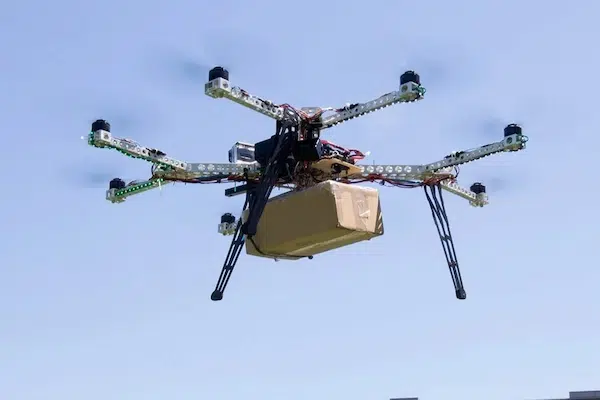
Drones can be classified into different categories based on their size, purpose, and capabilities. Each category has its own carrying capacity range. Let’s explore the main categories of drones and their respective carrying capacities:
1. Consumer Drones
Consumer drones, commonly used for recreational purposes and aerial photography, have a typical carrying capacity ranging from 0.25 to 2 kilograms (0.55 to 4.4 pounds). These drones are lightweight and designed for ease of use, making them suitable for capturing stunning aerial footage or conducting simple tasks like small package delivery.
2. Commercial Drones
Commercial drones, used for various professional applications such as surveying, inspection, and filmmaking, have a broader carrying capacity range. Depending on the model, commercial drones can carry payloads ranging from 2 to 20 kilograms (4.4 to 44 pounds). These drones are more powerful and equipped with advanced features to meet the demands of commercial operations.
3. Industrial Drones
Industrial drones, designed for heavy-duty applications like infrastructure inspection, cargo transportation, and agricultural spraying, possess impressive carrying capacities. These drones can carry payloads exceeding 20 kilograms (44 pounds) and, in some cases, even reach several hundred kilograms. Industrial drones are built to withstand heavy loads and operate in challenging environments.
Implications of Overloading a Drone
Exceeding a drone’s carrying capacity can lead to various risks and consequences, affecting how much weight a drone can carry safely. Overloading the drone can strain its motors, reducing their efficiency and potentially causing overheating. This can result in a loss of control, flight instability, or even a crash.
Additionally, an overloaded drone may experience decreased battery life, reducing its flight time and jeopardizing the safe return of the drone to its operator. Therefore, it is crucial to adhere to the specified weight limits and operate the drone within its designated carrying capacity to ensure optimal performance and mitigate potential risks.
Tips for Maximizing a Drone’s Carrying Capacity
Maximizing a drone’s carrying capacity requires careful planning and consideration of various factors. Here are some tips to help you make the most of your drone’s payload capability:
1. Understand the Manufacturer’s Specifications
Familiarize yourself with the manufacturer’s recommended maximum payload capacity for your specific drone model. Exceeding these limits can put the drone at risk and compromise its performance.
2. Optimize Payload Weight
Minimize unnecessary weight by using lightweight materials for your payload. Choose components and equipment that serve the purpose without adding excessive weight. This includes cameras, sensors, or any additional accessories you plan to attach to the drone.
3. Distribute Weight Evenly
Ensure that the payload weight is evenly distributed across the drone. An uneven distribution can lead to instability and affect the drone’s maneuverability. Consider balancing the payload by adjusting its placement or using counterweights, if necessary.
4. Consider Battery Life
Take into account the impact of the payload on the drone’s battery life. Heavier payloads require more power, which can shorten the flight time. Plan your flights accordingly to ensure a safe return before the battery runs low.
5. Conduct Test Flights
Before operating your drone with a heavy payload in a critical situation, conduct test flights with varying weights to assess its stability, maneuverability, and overall performance. This will help you understand the drone’s capabilities and limitations under different load conditions.
6. Be Aware of Legal and Safety Regulations
Keep in mind that operating a drone with a heavy payload may have legal and safety implications. Ensure that you comply with local regulations and obtain the necessary permits or licenses if required. Additionally, always prioritize safety by considering the potential risks associated with operating a drone with an increased payload.
Frequently Asked Questions (FAQs)
1. What factors affect the carrying capacity of a drone?
The carrying capacity of a drone is influenced by its size, design, power, battery life, and environmental conditions.
2. What is the typical carrying capacity of consumer, commercial, and industrial drones?
Consumer drones typically have a carrying capacity of 0.25 to 2 kilograms, commercial drones range from 2 to 20 kilograms, and industrial drones can exceed 20 kilograms.
3. What are the potential risks of overloading a drone?
Overloading a drone can lead to motor strain, flight instability, reduced battery life, and potential crashes.
4. Are there ways to increase a drone’s carrying capacity safely?
Increasing a drone’s carrying capacity beyond its specified limits is not recommended. It is best to use a drone specifically designed for heavier payloads.
5. How do weather and environmental conditions impact a drone’s carrying capacity?
Strong winds and extreme temperatures can reduce a drone’s carrying capacity by affecting stability and battery performance.
Conclusion
Understanding a drone’s carrying capacity is essential for safe and efficient operations. Factors such as size, design, power, battery life, and environmental conditions significantly influence a drone’s ability to lift and transport payloads.
By understanding how much weight a drone can carry and adhering to recommended weight limits, drone operators can ensure the safe and effective use of their equipment. Optimizing payload weight and considering environmental factors further enhance a drone’s carrying capacity, allowing for maximum efficiency in various applications.
By taking these factors into account, drone operators can harness the full potential of their drones while prioritizing the safety of their operations. So, the next time you fly a drone, remember to consider its carrying capacity and maximize its capabilities within safe limits.