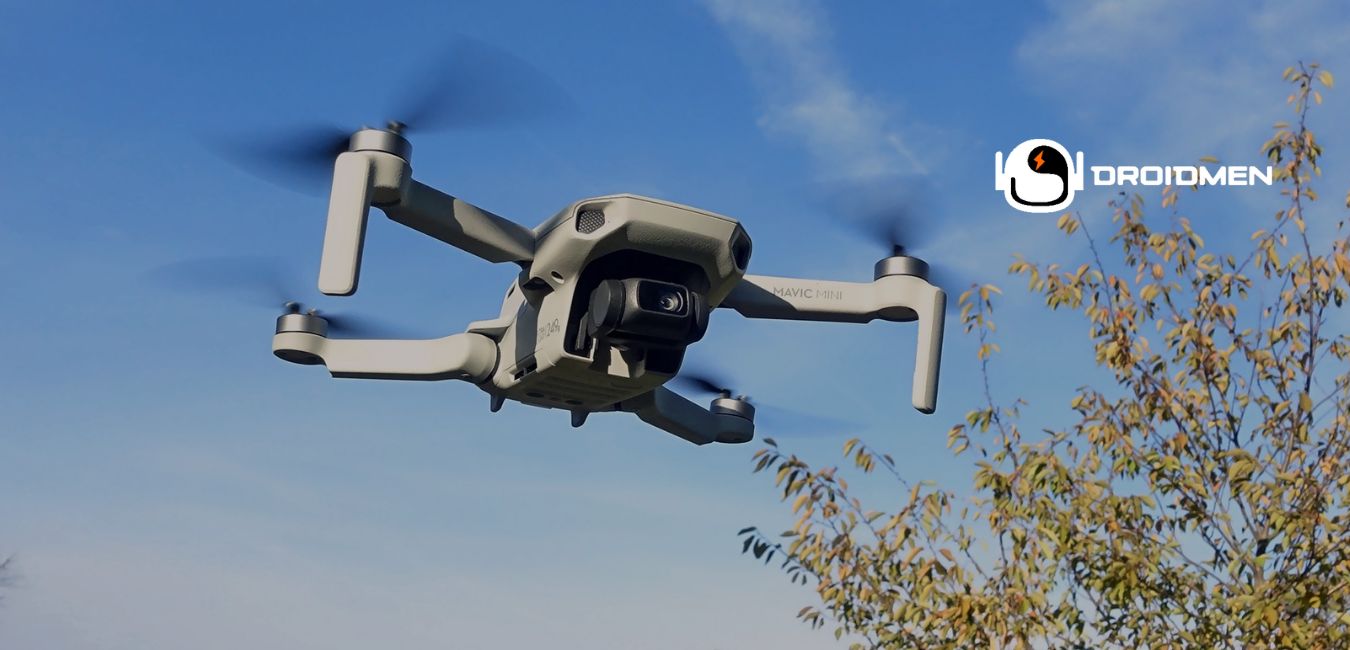
The year 2023 has brought forth an impressive lineup of drones with improved camera capabilities and advanced features. Whether you’re an aspiring aerial photographer, a videographer, or simply a drone enthusiast, there’s a drone on the market that will meet your needs. In this guide, we’ll explore the best drones of 2023, including options for beginners, professionals, and those looking for alternatives to the popular DJI brand.
Table of Contents
Best Drone Overall
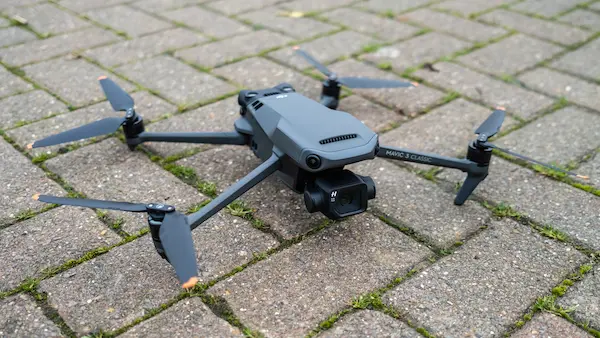
DJI Mavic 3 Classic
Key Features:
- Hasselblad 20MP Four Thirds camera
- Adjustable f/2.8-f/11 aperture
- 5.1K video at 50fps, 4K at 120fps
- Advanced collision avoidance and subject tracking modes
If you’re looking for the best drone overall in 2023, the DJI Mavic 3 Classic is an excellent choice. While it may not have the dual cameras found in the higher-end Mavic 3 models, it offers most of the same features at a more affordable price point. The highlight of the Mavic 3 Classic is its Hasselblad 20MP Four Thirds camera, which delivers exceptional image quality.
The adjustable aperture range of f/2.8-f/11 allows you to capture stunning shots in different lighting conditions. The Mavic 3 Classic is capable of recording video in 5.1K at 50fps and 4K at 120fps, giving you the flexibility to create high-resolution footage. It also offers the option to shoot in 10-bit D-Log for color grading or use the Normal profile for straight out-of-camera footage.
Besides its impressive imaging capabilities, the Mavic 3 Classic is a powerful and versatile drone. It can withstand windy conditions better than lighter models, providing stability during flights. The advanced collision avoidance and subject tracking modes contribute to safer and easier flights, allowing you to focus on capturing the perfect shot.
Read our full DJI Mavic 3 Classic review for an in-depth analysis of this exceptional drone.
Best for Professional Drone Pilots
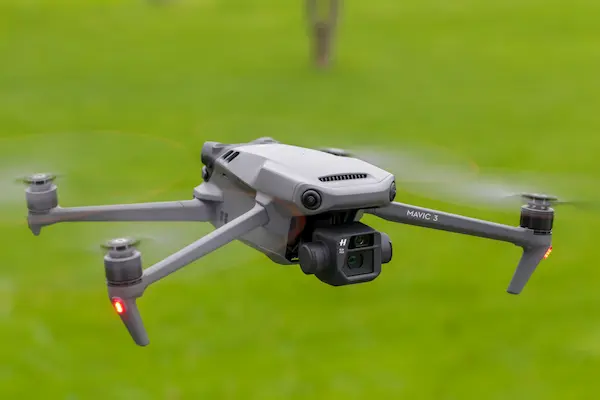
DJI Mavic 3
Key Features:
- Dual camera system with a Four Thirds 20MP sensor and a 12MP sensor
- Up to 5.1K video resolution
- Folding design for easy transportation
- Up to 46 minutes of flight time
For professional drone pilots seeking the highest image quality and advanced features, the DJI Mavic 3 is the ultimate choice. This flagship consumer drone from DJI boasts a dual camera system, with a large Four Thirds 20MP sensor and a 12MP sensor. The main camera delivers exceptional image quality for both stills and video, with the ability to shoot up to 5.1K resolution.
The Mavic 3’s second camera is more limited but still offers impressive capabilities. It can capture images in JPEG format and shoot standard video at 4K 30fps in auto mode. Additionally, it provides a hybrid zoom of up to 24x, allowing you to get closer to the action.
Portability is a key feature of the Mavic 3, with its folding design making it easy to transport. The drone weighs 895g and offers up to 46 minutes of flight time, providing ample opportunity for extended aerial photography or videography sessions. It also includes advanced safety features such as obstacle sensing and avoidance, ensuring a secure and worry-free flying experience.
For a detailed review of the DJI Mavic 3, check out our comprehensive DJI Mavic 3 review.
Best Non-DJI Alternative
Autel Evo Lite+
Key Features:
- 20MP 1-inch sensor
- Up to 5.4K video resolution
- Foldable design for portability
- Up to 40 minutes of flight time
If you’re looking for an alternative to DJI drones, the Autel Evo Lite+ is a fantastic option. This drone offers an impressive combination of price and features, making it a compelling choice for beginners and professionals as well. The Evo Lite+ features a 20MP 1-inch sensor, delivering excellent image quality for both photos and videos.
With video resolution of up to 5.4K, you can capture stunning footage with incredible detail. The drone also offers various frame rates, allowing you to achieve smooth motion in your videos. It has a foldable design, making it easy to carry and transport to your desired shooting locations. The Evo Lite+ provides up to 40 minutes of flight time, giving you ample opportunity to capture the perfect shot or explore the skies.
For a more in-depth analysis of the Autel Evo Lite+, read our expert review here.
Factors to Consider When Choosing a Drone

When selecting a drone, it’s essential to consider various factors to ensure you choose the right one for your needs. Here are some key factors to keep in mind:
Camera Quality
The camera quality is one of the most critical factors to consider when choosing a drone. Look for drones with high-resolution cameras and advanced features like adjustable apertures and the ability to shoot in Raw format. A good camera will ensure that you capture stunning photos and videos with excellent clarity and detail.
Flight Time and Battery Life
Flight time and battery life are crucial considerations, as they determine how long you can fly your drone before needing to recharge or replace the batteries. Longer flight times are desirable, especially if you plan on capturing extensive aerial footage or covering long distances. Look for drones that offer extended flight times to maximize your time in the air.
Portability
If you plan on taking your drone on adventures or traveling frequently, portability becomes an important factor. Look for drones with foldable designs or compact sizes that can easily fit into a backpack or carry-on luggage. Portability ensures that you can take your drone with you wherever you go, allowing you to capture stunning shots in various locations.
Flight Modes and Safety Features
Flight modes and safety features enhance the flying experience and ensure the safety of your drone. Look for drones that offer intelligent flight modes such as follow me, orbit, and waypoint navigation. These modes enable you to capture unique shots and automate certain flight tasks. Additionally, drones with obstacle avoidance sensors and GPS capabilities provide an added layer of safety, reducing the risk of collisions and ensuring accurate positioning.
Drone Regulations: Everything You Need to Know
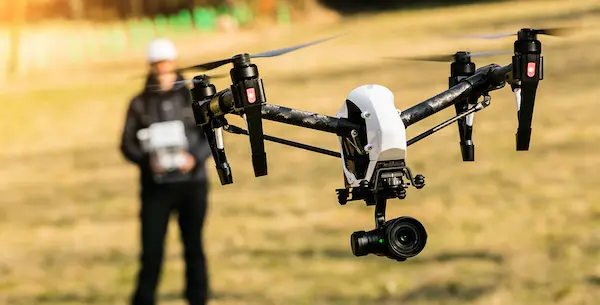
Before taking to the skies with your new drone, it’s essential to familiarize yourself with the regulations governing drone usage. Each country has its own set of rules and regulations, so it’s crucial to research and understand the specific requirements in your area. Drone regulations typically cover aspects such as registration, flight restrictions, and privacy concerns. Stay informed and fly responsibly to ensure a safe and enjoyable experience.
Conclusion
As the drone industry continues to evolve, the options for consumers are becoming more diverse and impressive. In 2023, the best drones cater to a wide range of users, from beginners to professional photographers and videographers. The DJI Mavic 3 Classic offers exceptional image quality at an affordable price, making it a top choice for many. For professional drone pilots, the DJI Mavic 3 provides unparalleled image quality and advanced features. If you’re looking for an alternative to DJI, the Autel Evo Lite+ offers great value for money without compromising on performance.
Consider your specific needs, whether it’s image quality, flight time, or portability, and choose the drone that best suits your requirements. Always fly responsibly and adhere to local drone regulations to ensure a safe and enjoyable experience.
FAQs
- Can I use a drone for commercial purposes? Yes, you can use a drone for commercial purposes, but you may need to obtain the necessary licenses and permits depending on your location. It’s important to familiarize yourself with the regulations governing commercial drone usage in your area.
- What is the difference between 4K and 5.1K video resolution? 4K resolution refers to approximately 4000 pixels horizontally, while 5.1K resolution refers to approximately 5100 pixels horizontally. The higher the resolution, the more detail and clarity you can expect in your videos.
- How do I ensure the safety of my drone during flights? To ensure the safety of your drone, always fly in open areas away from people, buildings, and other obstacles. Familiarize yourself with the flight modes and safety features of your drone, such as obstacle avoidance sensors and GPS capabilities. Additionally, follow the guidelines provided by the drone manufacturer and adhere to local drone regulations.