So, is an RC plane a drone? The use of drones has become increasingly popular in recent years, with many people opting for them for recreational use and commercial applications.
But what about radio-control (RC) planes? Are they the same as drones? This article will explore the key features of RC planes and drones to help you decide if an RC plane is a drone.
Table of Contents
RC Plane And Drone Overview
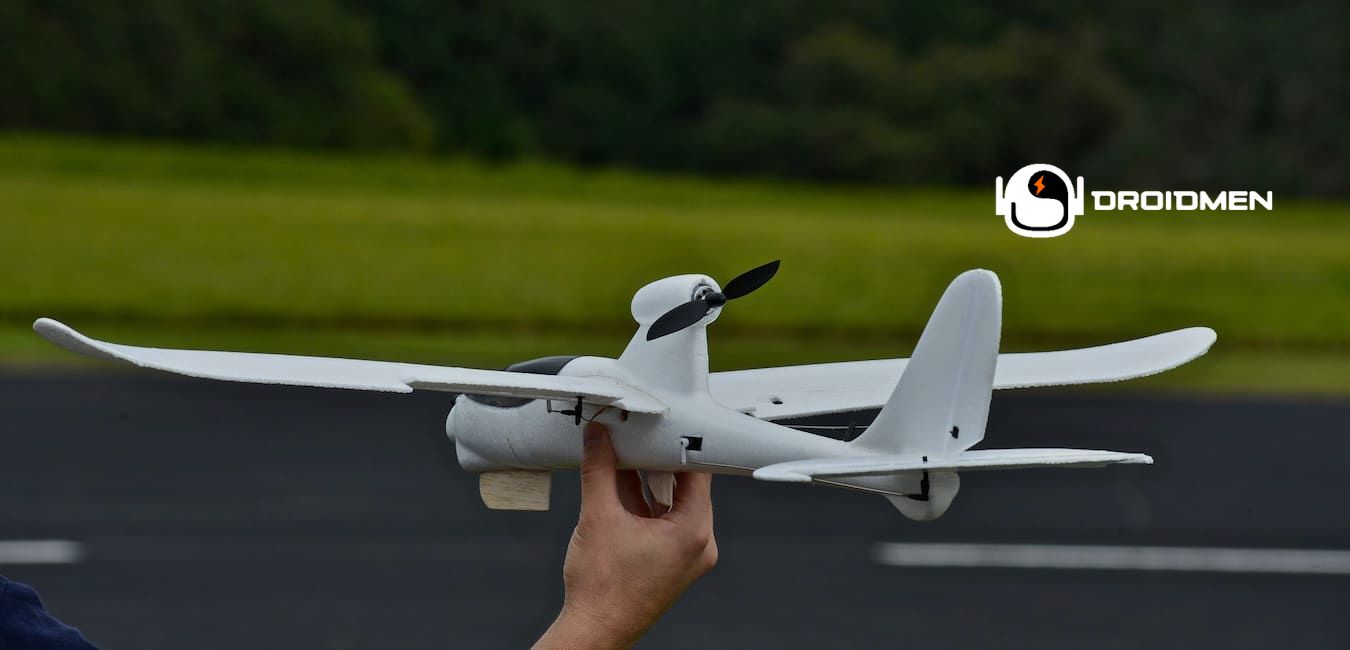
An RC plane, or radio-controlled plane, is a model aircraft that can be controlled by an operator on the ground using a hand-held radio transmitter. The aircraft is powered by an electric motor or an internal combustion engine and flown using traditional aerodynamic controls such as a rudder, elevator, and throttle.

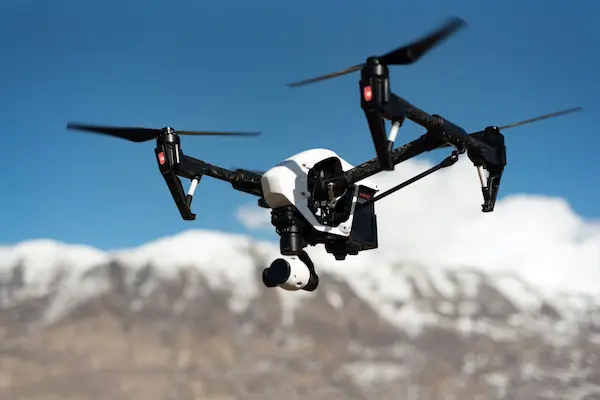
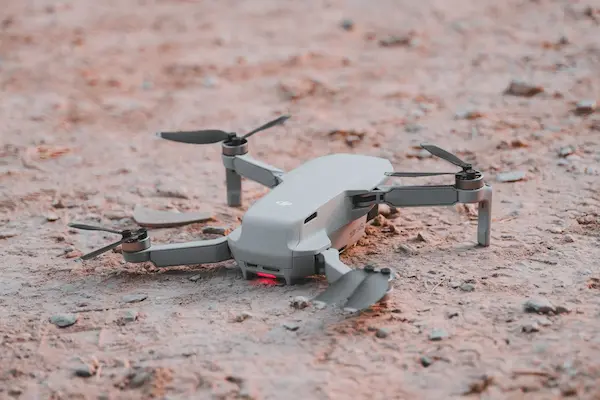
A drone, on the other hand, is an unmanned aerial vehicle (UAV) that is typically equipped with cameras, sensors, and other electronics.
Unlike RC planes, drones are usually operated by remote control from the ground or autonomously via onboard computers. Drones are used for aerial photography, surveillance, search and rescue operations, and more.
Characteristics of RC Planes
Manual Piloting
People usually control RC planes. This means you hold a remote and tell the plane where to go. You feel like a real pilot, only on a smaller scale. When flying an RC plane, you learn a lot about controlling aircraft.
Limited Autonomous Features
RC planes don’t fly by themselves much. They rely on the person holding the remote. Some RC planes can do simple tasks alone, but most of the time, you are in control. If you like being the boss of your plane, this is a good thing!
Hobbyist Use
Many people fly RC planes for fun. It is a popular hobby. There are even groups and clubs for RC plane lovers. People of all ages enjoy flying them. It is a great way to make friends and learn new things.
Traditional Aerodynamics
RC planes use the same flying rules as big planes. They have wings, tails, and propellers. Understanding how RC planes fly can help you learn about bigger planes. If you are curious about flying, starting with RC planes is a good idea!
Non-Camera-Equipped
Most RC planes don’t come with cameras. They are more about flying for fun. If you want to take pictures from the sky, you might need a different aircraft. Flying RC planes lets you focus on the joy of flying.
Characteristics of Drones
Autonomous Capabilities
Drones have a particular skill. They can fly by themselves. People set a path, and the drone follows it. A person doesn’t need to control it all the time. This makes jobs more manageable. For example, when taking photos in the sky, a drone knows what to do if it’s set up right.
GPS Navigation
Drones use a system called GPS. This system tells the drone where it is. It also tells the drone where to go. Because of GPS, drones don’t get lost. They can fly to exact places. For example, if you want to see a mountain, the drone goes there.
Diverse Applications
Drones are beneficial. People find new ways to use them all the time. Farmers check their crops with drones. Movie makers use drones to get cool shots. Some companies even think about using drones to bring things to your house. Every year, people find more jobs for drones.
Camera-Equipped
Many drones have cameras. These cameras are good and can see things. From high up in the sky, drones take photos and videos. People on the ground can see these photos and videos. For example, a drone can show the whole thing if there’s a big event.
Remote Monitoring
Drones send information. You can be far away and still see what the drone sees. This is called remote monitoring. For example, you can watch from home if a drone checks a large field.
Key Differences
Control Methods
People often use tools with simple designs, like hand tools. These tools rely on buttons, handles, or switches. A person has to move or push them to make them work. On the other hand, advanced machines need more than just a push. People use computers and software to tell them what to do. This makes the machine do the job right.
Automation Level
Some tools need a lot of human help. Think of a broom. A person has to push and pull it to clean the floor. But some tools do their job without much help. Think of a robot vacuum. Once it’s on, it cleans the floor by itself. It doesn’t need a person to push it.
Use Cases
There are different tools for different jobs. A person might use a simple tool, like a manual can opener, to open a can of beans at home. It’s easy and quick. But big jobs, like making hundreds of cars, are different. Factories use giant machines to do these jobs. They are fast and can do the same thing many times.
Technical Features
Simple tools don’t have many parts. A screwdriver has a handle and a tip. That’s it. But advanced machines are different. They have many parts inside, like computer chips and screens. These parts help the machine do its job.
Legal Regulations
Not all tools need rules. If a person uses a simple tool, like a hand-held hammer, they must be careful. However, some tools are significant and can be dangerous. Think of a giant crane used in building work. It can lift heavy things high up in the air. If something goes wrong, it can hurt people. So, there are many safety rules for using it. People have to follow these rules.
FAQs
Is An RC Plane A Drone?
No, an RC plane is not a drone. An RC plane, often known as a radio-controlled plane, is a model airplane that can be flown remotely by a person using a handheld transmitter. It does not have autonomous capabilities and normally requires a human pilot to fly it. The cost of an RC plane depends on its feature and types.
A remote-controllable or self-flying unmanned aircraft is referred to as a drone. Drones are useful for many things, including deliveries, surveillance, aerial photography, and other things.
Though an RC plane is a sort of remotely controlled aircraft, it is not necessarily a drone because it lacks the same level of autonomy as a standard drone.
Do Drone Rules Apply To RC Planes?
The use of drones has become increasingly popular, but do the same rules apply to radio control (RC) planes? RC planes are considered radio-controlled aircraft and therefore fall within the scope of regulations set by the Federal Aviation Administration (FAA).
The FAA has implemented several rules that must be followed when operating any type of drone or RC plane, such as registering your aircraft and flying within sight of the operator. All operators should familiarize themselves with these regulations before taking their drone or RC plane out for a flight.
Do RC Planes Need Remote ID?
Yes, RC planes need remote ID. This is because they are unmanned aerial vehicles (UAVs) and must be identified to maintain safety standards. The remote ID is an identification system for UAVs that transmits a broadcast containing information about the craft such as its location and altitude, thus allowing it to be tracked and monitored.
Can RC Planes Fly?
Yes, radio control (RC) planes are capable of flight. The planes are operated by a transmitter that communicates with the receiver on the plane and allows the user to control its movements in the air
Do RC Planes Have Cameras?
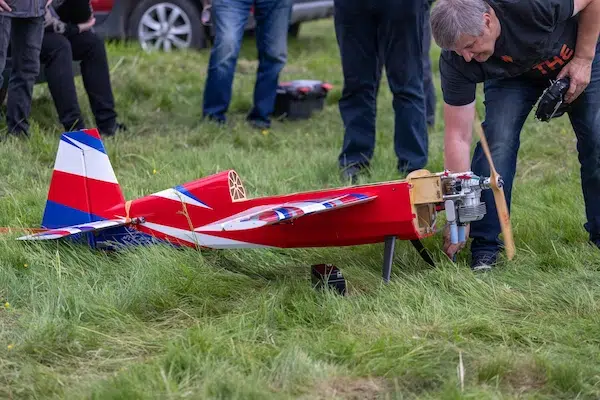
Yes, some remote control (RC) planes do have cameras. Usually, RC planes with cameras are more advanced than those without and come with extra features. Camera-equipped RC planes can be found in various sizes, from small and affordable to large and expensive.
Read a related blog about the characteristics of Multi Rotor drones.
Bottom Line: So, Are RC Planes Considered Drones?
RC planes are miniature aircraft that are powered by electricity. They are often used for recreational purposes as they can be flown outdoors in open spaces.
While RC planes and drones both use remote controls to operate, RC planes are not typically considered drones as they do not have the same level of autonomy and lack certain features such as onboard cameras that are found on most drones.
Both require skill and practice to be flown safely, but drones offer greater autonomy than RC planes. The debate on is an RC plane a drone is still ongoing since they do not necessarily fit into the typical drone category of unmanned aerial vehicles.