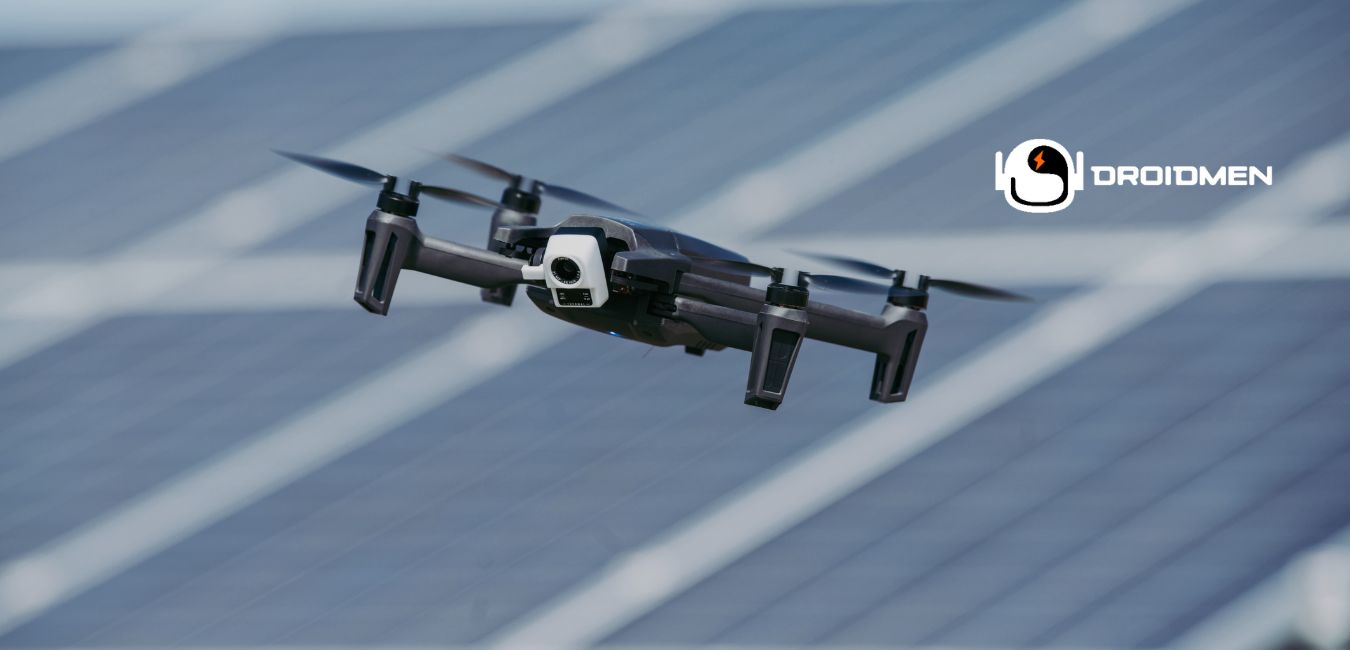
Drones have changed how we inspect roofs. They offer a safe, quick way to check roof conditions. Using drones, roof inspectors can now spot problems without climbing up. This article talks about the best drones for roof inspections.
These drones come with top cameras and stable flight features. They let inspectors see roof details clearly from the ground. This guide helps you find the right drone for your needs.
Whether you’re a professional or a DIY enthusiast, you’ll discover the perfect drone for safe and efficient roof inspections.
Table of Contents
Top 4 Drones For Roof Inspection
DJI Mavic 3 Enterprise
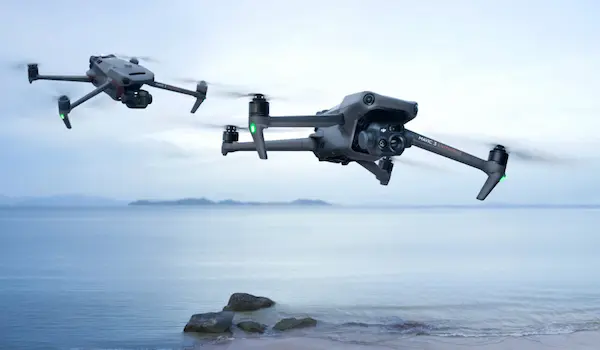
The DJI Mavic 3 Enterprise is an excellent drone for roof inspections. It has a very clear camera that can zoom in to see small details. This means you can see tiny problems on the roof easily.
The drone can fly for a long time without needing to charge. This is good for checking big roofs or many houses. It is also very steady, even when it’s windy.
This helps it take good pictures that are not blurry. The drone is also safe because its features keep it from bumping into things.
It’s easy to control, so you don’t have to be an expert to fly it. This drone helps you see roof problems quickly and safely.
Pros
- Excellent camera quality for detailed inspections.
- Long battery life, suitable for extensive use.
- Stable flight performance, even in windy conditions.
Cons
- Higher cost compared to other models.
- Larger and heavier, less portable than smaller drones.
DJI Mini 3 Pro
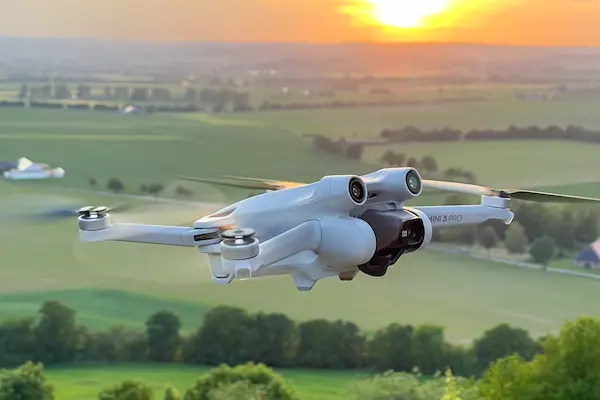
The DJI Mini 3 Pro is a small, light drone. It’s easy to carry around. This drone takes very clear pictures. You can see roof problems well with it. It flies smoothly and avoids obstacles.
This means it can fly close to roofs safely. One big plus is its camera. It moves in all directions. This helps you see every part of a roof. The drone also stays in the air for a long time.
You can check a whole roof without stopping. But it could be better. The DJI Mini 3 Pro is small, so strong winds can be problematic. Hence, it won’t fly well on very windy days.
Also, it costs more than some other drones. You pay extra for its good features. In short, the DJI Mini 3 Pro is great for seeing roof problems up close.
It’s easy to use, but you must watch out for wind and the higher price.
Pros
- High-Quality Camera
- Lightweight and Portable
- Good Battery Life
- Obstacle Avoidance
- Gimbal Camera
Cons
- Wind Sensitivity
- Higher Cost
- Limited in Harsh Weather
Autel EVO 2 Pro Enterprise V3
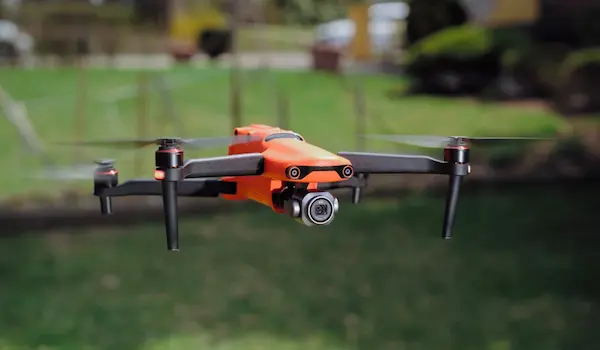
The Autel EVO 2 Pro Enterprise V3 drone is a top performer for roof inspections. Its high-quality camera snaps sharp, detailed photos that help spot even the smallest problems on a roof.
The images are so clear you can see missing shingles or tiny cracks without trouble. This drone is also made for the long haul, with a battery that keeps it flying longer than many others.
That means you can cover a large roof or several small ones without stopping and recharging. Even when the wind picks up, the Autel EVO 2 Pro holds steady in the air.
This steadiness is key for taking good pictures that don’t come out blurry. And don’t worry if you’re not a drone expert. This drone is friendly for beginners, with controls that are straightforward to learn.
It’s designed to make roof inspections safe, accurate, and efficient, all while keeping your feet firmly on the ground.
Pros
- High-Quality Camera
- Long Battery Life
- Wind Resistance
- User-Friendly
- Efficient Inspections
Cons
- Cost
- Size and Weight
- Learning Curve
Parrot Anafi Thermal

The Parrot Anafi Thermal drone is really good for roof inspections. It has a special camera that can see heat. This is great for finding spots where a roof could be leaking or not keeping heat in.
The camera also takes very clear pictures and videos. This makes it easier to see small problems on a roof. The drone is light and easy to carry.
You can control it easily, which is suitable for people new to drones. It’s also good for experts. With this drone, you can check every part of a roof from the ground safely.
Pros
- Thermal Imaging
- High-Quality Visuals
- Lightweight and Portable
- User-Friendly
- Safe Roof Inspections
Cons
- Battery Life
- Wind Resistance
- Cost
- Limited Range
Why Use Drones For Roof Inspections?
Safety Benefits
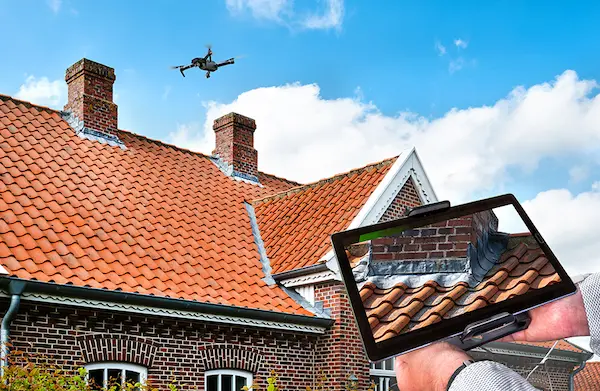
Using drones for roof inspections enhances safety significantly, particularly in the security industry. These flying devices allow inspectors to examine roofs without needing to physically climb up, greatly reducing the risk of falls and related injuries.
This approach is particularly beneficial in inspecting steep, slippery, or weak roofs, where walking on them could be dangerous.
Efficiency
Drones bring efficiency to roof inspections. They can quickly cover and capture images of large areas, which would take much longer if done manually.
This speed means more inspections in less time, increasing productivity and faster assessment for necessary repairs.
Accuracy
Drones provide high accuracy in roof inspections. Equipped with advanced cameras, they capture detailed images that reveal even minor damages like small cracks or leaks.
This precision is often superior to the naked eye, especially in hard-to-reach areas. Accurate assessments help in making informed repair decisions, ensuring long-term roof integrity.
Key Features To Look For In Roof Inspection Drones
Camera Quality And Zoom Capabilities
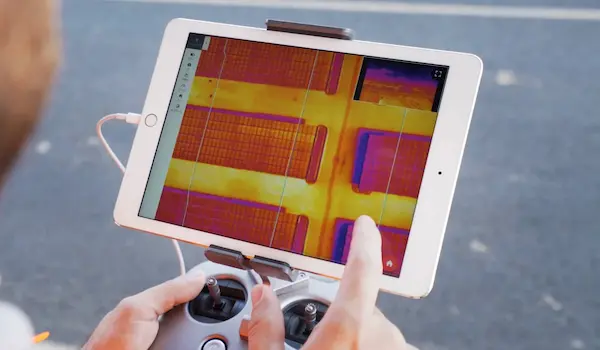
The camera is a key part of a roof inspection drone. High-quality cameras capture crisp, clear images, making spotting small issues like cracks or loose tiles easier.
Good zoom features are also important. They let the drone stay at a safe distance while still getting a close-up view of the roof’s surface. This is vital for identifying potential problems accurately.
Stability And Wind Resistance
Drones need to be stable, especially when it’s windy. A drone that wobbles or drifts in the wind can’t take clear pictures. Stability ensures the drone stays in the right place and the pictures are not blurry.
Drones with good wind resistance can handle inspections even on breezy days, which is common in many areas.
Battery Life And Range
Battery life determines how long a drone can stay in the air. A longer battery life means you can inspect larger roofs or multiple properties without needing to recharge.
The range is how far the drone can fly from the controller. A greater range allows for inspecting roofs on larger buildings or properties without moving the control point.
Ease Of Use And Automation Features
A user-friendly drone is essential, especially for those who are not expert pilots.
Drones with automated features like GPS-guided flight paths, automatic takeoff and landing, and pre-set flight patterns make roof inspections easier and more efficient.
This means less time learning to fly the drone and more time using it for its intended purpose.
Conclusion
Drones are changing the game in roof inspections! Imagine staying safely on the ground while a high-flying drone does all the risky work. Models like the Autel EVO 2 Pro Enterprise V3 take clear photos, even in windy weather.
And guess what? They’re a breeze to use. No more climbing ladders or walking on shaky roofs. Plus, their batteries last so long that you can inspect big roofs in one go.
It’s not just smart; it’s revolutionary. Embrace the future of roof inspections with these best quality drones!