Imagine hunting with a tool that sees through darkness and brush, revealing hidden prey. Thermal drones are revolutionizing the hunt, offering hunters a game-changing advantage. But are these high-tech tools ethical or even legal?
The legality and advantages of thermal drones for hunting vary by region. While often restricted to ensure fair chase, these drones can enhance visibility and efficiency in dense or dark environments, improving safety and aiding in wildlife management. Always check local laws before use.
Dive into this comprehensive guide to explore the legalities, advantages, and responsible use of thermal drones in hunting.
Table of Contents
Key Takeaways
- Legal Restrictions Vary: Thermal drone use in hunting is governed by local laws; ensure compliance before deployment in any hunting activity.
- Enhanced Scouting Capability: Thermal drones identify the game through heat signatures, even in obstructed or low-light environments.
- Ethical Considerations Essential: While drone use in hunting offers significant advantages, the moral implications must be carefully considered.
Understanding Thermal Drones
Thermal drones are special tools that use heat to see animals from the sky. They do not use regular cameras. Instead, they have sensors that pick up heat from deer, bears, and other animals. This makes it easy to spot them even when it’s dark or the area is full of trees and bushes.
Thermal drones fly in the sky and look over large land areas. They help hunters see where animals are hiding. Hunters use this information to plan where to go without walking for hours, saving time and effort.
Using thermal drones also makes hunting safer. It helps hunters avoid places where there can be other people or dangerous animals, avoiding accidents for everyone.
Thermal drones are powerful tools for detecting heat and helping hunters. They make scouting from above easy, safe, and quick.
Legal Considerations
Thermal drone tech is evolving fast. But, the laws on their use in hunting are still catching up. Here’s a breakdown of the key areas to consider:
Federal Regulations
The Federal Aviation Administration (FAA) mainly controls the use of drones, including thermal drones, at the Federal level.
The FAA sets rules that everyone must follow to fly a drone safely in the U.S. These rules include how high you can fly your drone and how far it must stay from airports.
State-Specific Laws
State hunting regulations vary significantly regarding thermal drones. Here’s a breakdown of common scenarios:
- Legal with Restrictions: Many states allow thermal drones for hunting, but with limitations. These include restrictions on specific hunting seasons, nighttime use, or the type of game that can be hunted with thermal assistance.
- Completely Banned: Some states completely ban using drones for hunting. This includes scouting or finding wounded animals.
- Permits Required: A few states require a special permit to use thermal drones for hunting.
Hunting Regulations
Beyond thermal drones, it’s vital to understand your state’s general hunting regulations. These may cover aspects like:
- Legal Hunting Methods: Some states may restrict using electronic devices to locate or harass games.
- Night Hunting: Night hunting regulations may be stricter and may not allow the use of thermal technology.
- Bag Limits: These dictate the number of animals you can legally harvest per species.
Permits And Licenses
You may need additional permits or licenses depending on your state and the hunting you plan to do with your thermal drone. These could include:
- Drone Pilot License: Many states require a license for operating drones above a certain weight.
- Thermal Hunting Permit: Some states may require a specific permit for using thermal technology.
Advantages Of Thermal Drones For Hunting (When Legal)
Thermal drones offer many benefits for hunters. They could increase success rates and improve the hunting experience. However, it’s important to remember these advantages only apply in areas where thermal drone use is legal.
Enhanced Visibility
Thermal cameras bypass traditional limitations of human sight. They detect heat signatures, allowing hunters to:
- Hunt During Low-Light Conditions: Thermal drones can find animals hidden in darkness, fog, or brush, extending hunting opportunities beyond daylight.
- Spot Camouflaged Animals: Animals relying on camouflage often blend into their surroundings. Thermal imaging can reveal their body heat, making them easier to detect.
- Scan Large Areas Quickly: Drones can swiftly cover vast terrain. They save hunters time and effort to find prey.
Improved Accuracy
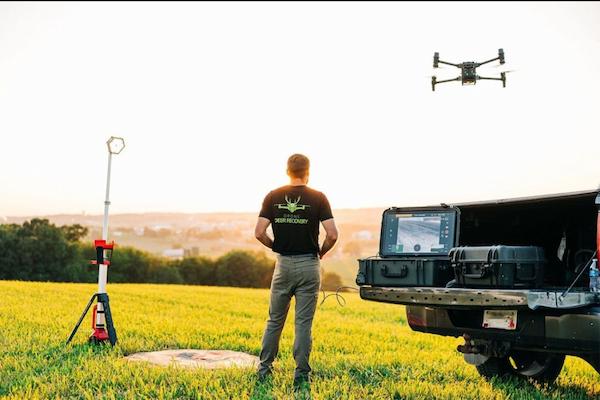
By providing a broader view of the hunting area, thermal drones can potentially lead to:
- Better Scouting: Knowing animal patterns and preferred habitats can help hunters. It can show them where to position for a successful hunt.
- Reduced Tracking Time: Locating wounded animals can be challenging. Thermal drones can find them quickly, reducing the time spent tracking and possibly reducing animal suffering.
- More Informed Decisions: A clear view of the area helps hunters make informed choices. It helps with shot placement and overall hunting strategy.
Increased Safety
Thermal drones can contribute to a safer hunting environment by:
- Scouting Hazardous Terrain: Drones can assess risky areas. They have dangers like cliffs and hidden sinkholes. This happens before people enter on foot.
- Minimizing Disturbance: Finding animals from afar avoids excess movement in the hunting grounds. This could reduce prey spooking and the hunter’s impact on the environment.
- Recovery in Difficult Conditions: Recovering downed animals in dense brush or rough terrain can be risky. Thermal drones can help locate them, minimizing physical exertion in challenging situations.
Time Efficiency
The time-saving capabilities of thermal drones can benefit hunters by:
- Reduced Scouting Time: Covering large areas quickly with a drone cuts the time spent scouting on foot.
- Faster Animal Location: Spotting animals from a distance eliminates the need for a ground search. It lets hunters focus on strategy.
- Improved Tracking Efficiency: Finding wounded animals with drones makes tracking more efficient. It saves valuable hunting time.
Ethical Concerns Of Thermal Drones For Hunting
Thermal drones have potential benefits. But, using them for hunting raises ethical concerns. We need to consider these carefully.
Fair Chase Principles
One core tenet of ethical hunting is the concept of fair chase. This principle emphasizes giving animals a fair chance to escape. They should avoid undue stress.
- Unequal Advantage: Thermal drones can significantly tip the scales in the hunter’s favor. Animals have few ways to detect or defend themselves against this tech. This could undermine the spirit of fair chase.
- Over-reliance on Technology: Drones make it easy to find animals. This discourages hunters from learning traditional tracking and scouting. It would lessen the challenge and joy of the hunt.
Wildlife Disturbance
The noise and presence of drones can disrupt wildlife behavior in several ways:
- Stress and Displacement: The constant buzz of a drone can stress animals. It affects their feeding, breeding, and migration. Using drones in the same areas repeatedly can force animals to move, disrupting their natural habitat use.
- Unintended Consequences: Drones can target a specific species and disturb other animals. This causes unnecessary stress and harms the whole ecosystem.
Hunter Responsibility
The responsibility for ethical hunting remains the same as that of thermal drones. Here are some key considerations:
- Responsible Use: Hunters must focus on responsible drone use. They should minimize noise and respect others’ privacy while outdoors.
- Focus on Skill: Technology should enhance, not replace, traditional hunting skills. Hunters should still strive to hone their tracking, stalking, and marksmanship abilities.
- Minimize Suffering: Even with thermal tech. But, hunters should ensure a clean shot and reduce animal suffering. When an animal is wounded, all efforts should be made to locate and retrieve it humanely.
Practical Applications
Thermal drones are not just good for hunting. They also have many practical uses. These uses help with wildlife management and ethical hunting.
Scouting Game
One of the primary uses of thermal drones in hunting is for scouting games. The drones can quickly cover vast areas and provide real-time data on where animals are and how they move.
This capability is especially useful in dense forests and rugged terrain. Tracking animals by hand there would be hard and slow. Thermal imaging helps hunters find hot spots of activity. They can then plan their approach accordingly, ensuring a more strategic and informed hunt.
Tracking Wounded Animals

Hunting is an unfortunate reality. Not all shots result in an immediate kill, and they lead to wounded animals. Tracking these animals is crucial. It is essential for ethical reasons and to ensure the hunt’s success.
Thermal drones can be instrumental in these situations. The heat signatures animals emit make them easier to track.
This is true even when they move into dense brush or rough terrain. This technology minimizes the animal’s suffering. It helps hunters quickly find and kill it humanely.
Monitoring Wildlife Movements
Beyond hunting, thermal drones have significant applications in wildlife conservation and management. Researchers and conservationists use these drones to watch wildlife, study behavior, and manage populations.
This is particularly useful for nocturnal species or during seasonal migrations. Understanding how animals move and interact with their environment helps tailor conservation efforts. It can also protect endangered species and maintain ecological balance.
Choosing The Right Thermal Drone
Picking the right thermal drone involves understanding key features. You must also consider your budget and know the top models for sale. Here’s how to make an informed decision:
Key Features
When choosing a thermal drone, certain features are crucial:
- Thermal Resolution: Higher resolution provides clearer thermal images. This makes it easier to identify and track animals.
- Flight Time: Longer flights allow for long scouting sessions. They do not need frequent recharging.
- Range and Stability: A drone has a long range and strong stability. It can handle many terrains and weather types.
- Camera Quality and Integration: Look for drones with great cameras. They should work well with thermal imaging to show both heat and visuals.
- Ease of Use: An easy-to-use interface and controls are vital. This is especially true for hunters without much drone experience.
Budget Considerations
Thermal drones vary widely in price, influenced by their features and capabilities:
- Entry-Level: Cheaper drones may have basic thermal capabilities. These are good for amateur hunters or small areas.
- Mid-Range: These drones often balance cost with advanced features. They are suitable for serious hobbyists or semi-professionals.
- High-End: Professional-grade drones offer the best features but at a higher cost. They are ideal for extensive and frequent use in diverse conditions.
Top Models On The Market
When selecting a thermal drone, looking at the top models can guide you and help you find the right fit for your needs. Here’s a closer look at some top drones. They have thermal imaging capabilities.
DJI Mavic 3T
DJI Mavic 3T is highly recommended for its small design and 2-camera system, which includes a thermal camera. It’s ideal for hunters and wildlife researchers who need a reliable, portable thermal imaging solution for on-the-go.
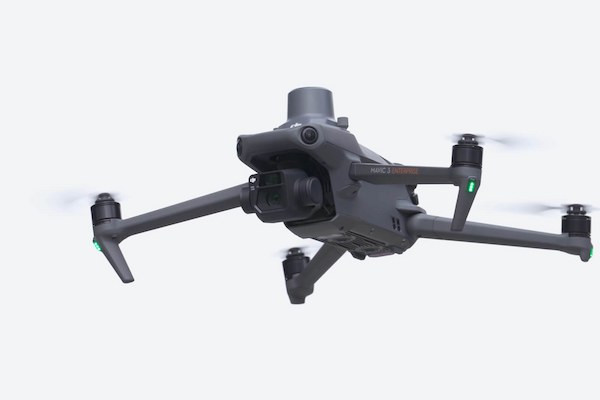
Autel EVO Max 4T
The EVO Max 4T from Autel Robotics has robust features. It offers thermal imaging, obstacle avoidance, and a long battery life, making it a top choice for professionals who need detailed data from tough places.
DJI Matrice 30T
DJI Matrice 30T is a powerhouse in terms of performance and versatility. It has three cameras: zoom, wide-angle, and thermal. This makes it perfect for extensive scouting. It is also suitable for precise thermal readings in all conditions and terrains.
DJI Matrice 350 RTK
DJI Matrice 350 RTK drone is for professional users. It has RTK GPS for ultra-precise positioning. This is crucial for science and advanced conservation.
DJI Mavic 3 Multispectral
As the name suggests, DJI Mavic 3 Multispectral offers multispectral imaging and thermal imaging. This is important for environmental monitoring, agriculture, and any field needing analysis. They need more than what we can see.
DJI P4 Multispectral
The P4 Multispectral is made for agriculture and environmental monitoring. It has multiple sensors to capture data across various spectral bands, including thermal. This gives comprehensive insights into plant health and water distribution.
Tips For Using Thermal Drones
Using thermal drones well requires following best practices, regular maintenance, and strict safety measures. These measures ensure good performance, extend the drone’s life, and keep the operator and the public safe. Below are detailed guidelines on how to achieve these goals.
Best Practices
Using thermal drones well makes them more effective. It also ensures ethical and efficient operations. Key practices include:
- Detailed Flight Planning: Plan your flight path, considering the terrain and mission goals.
- Optimal Conditions: Operate the drone in good weather. This will ensure accurate thermal readings and safe flights.
- Regular Training: Keep skills sharp through regular training sessions. They help you stay updated on the latest drone tech and techniques.
Maintenance Tips
Proper maintenance is crucial for the reliability and longevity of thermal drones. Essential maintenance tips include:
- Routine Checks: Inspect the drone before and after each flight for any anomalies or potential wear and tear.
- Clean Regularly: Keep the drone clean. This is especially important for its sensors and lenses, which dirt could impair.
- Battery Care: Charge and store batteries properly to keep them healthy and ensure top performance during flights.
Safety Precautions
Safety precautions are vital. They prevent accidents and protect people and property near drone operations. Important safety measures include:
- Compliance with Laws: Always operate within the legal frameworks set by local authorities regarding drone use.
- Avoiding Populated Areas: Never fly over groups of people or private properties without permission. This is to avoid privacy breaches and potential injuries.
- Emergency Readiness: Be ready to use emergency protocols well. This includes safe drone recovery if failures occur.
FAQs
1. How Can Thermal Drones Improve Hunting Efficiency?
Thermal drones can significantly enhance hunting efficiency by providing real-time aerial views that detect heat signatures from animals, even through dense foliage or in darkness. This technology allows hunters to cover vast areas quickly, reducing the time and effort required to locate the game.
2. What Features Should I Look For In A Thermal Hunting Drone?
When selecting a thermal hunting drone, prioritize high-resolution thermal cameras for clear imaging. Look for long battery life, stable flight capabilities, and weather-resistant designs. GPS functionality and programmable flight paths are essential for efficient tracking and navigation.
3. How Do Thermal Drones Help In Scouting Hunting Areas?
Thermal drones excel in scouting hunting areas. They use infrared technology to detect heat signatures from animals, even through dense foliage or in darkness. This capability allows hunters to assess and plan their approach efficiently, enhancing both safety and success in their hunting endeavors.
Conclusion
Thermal drones offer exciting possibilities for hunters. They allow for longer hunting hours. They also allow for better scouting and faster tracking of wounded animals.
However, navigating the legal landscape is crucial, as regulations vary significantly by state. Even when legal, ethical considerations come first. These include fair chase and not disturbing wildlife. Hunters must use thermal drones responsibly. They must prioritize safety and ethics. These are paramount for those who use thermal drones in hunting.