Drones have become increasingly popular in recent years, offering a range of applications from aerial photography to package delivery. However, the rise in drone usage has also raised concerns about privacy, particularly when it comes to flying drones over private property. Many individuals wonder, “Is it legal to fly a drone over private property?” This article aims to explore the legal aspects surrounding the use of drones in relation to private property rights and privacy concerns.
Table of Contents
Understanding Drone Laws

Understanding drone laws is essential for drone operators to avoid legal issues and protect the privacy and safety of individuals. In this section, we will explore the two primary levels of drone regulations:
Federal Aviation Administration (FAA) Guidelines
The Federal Aviation Administration (FAA) plays a crucial role in regulating the national airspace and has issued guidelines for drone operations. According to the FAA, drones are considered aircraft, and their operation is subject to certain rules. These rules include flying below 400 feet, maintaining a visual line of sight with the drone, avoiding manned aircraft, and not flying over people or stadiums.
State And Local Regulations
In addition to federal guidelines, state and local governments can impose their own regulations regarding drone usage. Some states have enacted laws that address specific aspects of drone operation, such as privacy concerns and restrictions on flying near critical infrastructure. It’s important for drone operators to familiarize themselves with the laws of the state and the locality in which they plan to fly their drones.
Privacy Issues And Private Property Rights
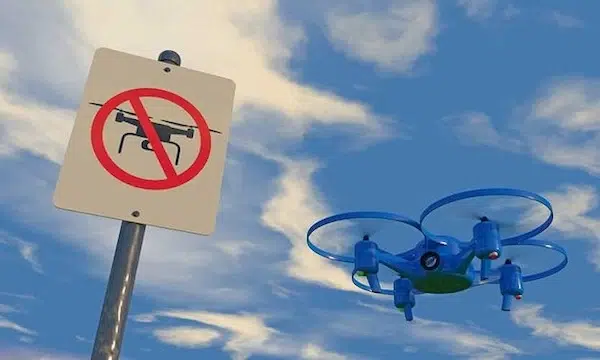
Flying drones over private property raises valid privacy concerns. Drones equipped with cameras can capture images or record videos that may infringe upon an individual’s reasonable expectation of privacy. While privacy laws vary across jurisdictions, existing legal provisions generally recognize a person’s right to privacy within their own property.
Consequences Of Illegal Drone Use
If you ask yourself, “Is it legal to fly a drone over private property”, it’s important to understand that unauthorized drone flights over private property can have serious legal consequences.
Violating privacy rights, trespassing, or conducting surveillance without consent are just a few examples of the potential legal issues that may arise. In response to these concerns, penalties for such offenses can include fines, civil lawsuits, and even criminal charges.
Recent years have seen the emergence of several legal cases that highlight the need for clear regulations regarding drone use and the protection of private property rights.
Tips For Responsible Drone Usage
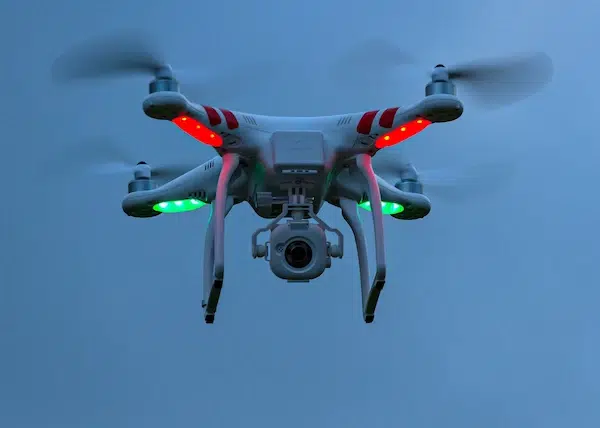
Responsible drone usage is essential to ensure the safety of people, property, and airspace. Whether you are a beginner or an experienced drone operator, here are the 2 most important tips to keep in mind:
Getting Permission
When planning to fly a drone over private property, it is essential to obtain permission from the property owner or occupant. Seeking consent demonstrates respect for individuals’ property rights and helps prevent potential legal disputes. It is advisable to have written permission to ensure clarity and avoid any misunderstandings.
Following FAA And Local Guidelines
Drone operators must familiarize themselves with both FAA regulations and any applicable state or local laws. By adhering to these guidelines, operators can ensure safe and responsible drone usage. This includes respecting no-fly zones, maintaining a visual line of sight, and flying at appropriate altitudes.
FAQs
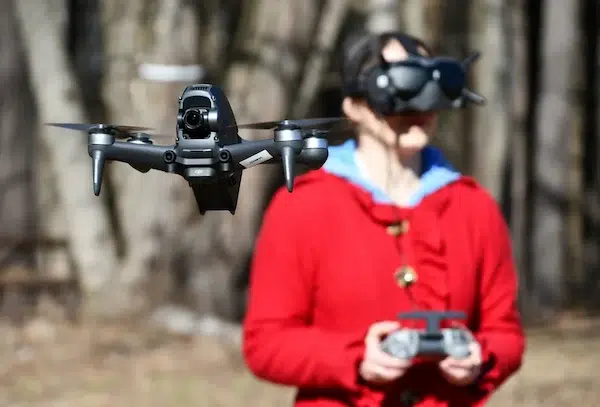
1. How Do State And Local Regulations Vary Regarding Drone Usage Over Private Property?
State and local regulations regarding drone usage over private property can vary significantly. Some states may have specific laws that restrict or regulate drone flights near certain locations, such as airports, critical infrastructure, or private residences. It is crucial to research and understand the laws of the specific jurisdiction where drone operations are planned.
2. What Are The Main Privacy Concerns When Flying Drones Over Private Property?
Privacy concerns related to drones flying over private property primarily revolve around the potential invasion of personal privacy. Individuals have a reasonable expectation of privacy within their own property, and drone operators must be mindful of capturing images or recording videos that may infringe upon this right.
3. What Potential Legal Penalties Exist For Unauthorized Drone Flights Over Private Property?
Legal penalties for unauthorized drone flights over private property can vary depending on the jurisdiction and the specific circumstances of the violation. Possible consequences may include fines, civil liability for privacy violations, and, in some cases, criminal charges.
4. How Can Drone Operators Ensure They’re Flying Responsibly Over Private Property?
Drone operators can ensure responsible drone usage over private property by obtaining permission from property owners or occupants, familiarizing themselves with applicable regulations, and respecting privacy rights. It is essential to exercise caution, fly within legal boundaries, and prioritize safety and privacy considerations.
Conclusion
In conclusion, the question “Is it legal to fly a drone over private property” is a complex issue that requires a thorough understanding of the applicable laws and regulations.
While the FAA provides guidelines for drone operation at the federal level, state and local regulations play an important role in shaping the legal landscape. Respecting privacy rights, obtaining permission, and adhering to established guidelines are crucial for responsible and lawful drone usage.
By understanding the legal framework and taking proactive measures, drone operators can enjoy the benefits of drone technology while minimizing potential legal risks and privacy infringements.