Drones are becoming increasingly popular, allowing us to capture breathtaking aerial views and explore new perspectives.
However, it’s essential to understand the rules and regulations surrounding drone flights, particularly when flying over private property. So, how low can you fly a drone over private property?
The answer varies depending on your location and the specific laws in place. In this article, we will delve into the topic of drone flight altitudes over private property, providing a clear understanding of the guidelines to follow.
Table of Contents
Understanding Drone Regulations

Drone technology has revolutionized various industries and recreational activities. However, to ensure the safe and responsible use of drones, it’s crucial to understand the regulations that govern their operations.
In this section, we will explore key aspects of drone regulations, including the governing bodies, airspace classifications, and the significance of adhering to local laws and regulations.
The Regulatory Bodies Governing Drone Operations
Drone operations are overseen by regulatory bodies that establish and enforce rules to promote safety and privacy. These bodies differ from country to country but often include civil aviation authorities or equivalent entities.
They are responsible for creating guidelines, issuing permits or licenses, and monitoring compliance with drone regulations. Understanding the role of these regulatory bodies is essential for drone operators to navigate the legal landscape effectively.
Airspace Classifications And Restrictions
Airspace is divided into different classes, each with specific drone operation regulations. These classifications determine the maximum altitude, distance from airports, and other restrictions that drone operators must adhere to.
Familiarizing yourself with airspace classifications and their associated restrictions is vital to ensure safe and legal drone flights.
The Importance Of Adhering To Local Laws And Regulations
Compliance with local laws and regulations is crucial when operating a drone. Each region may have specific rules regarding flight altitudes, paths, privacy considerations, and required permits.
Adhering to the local regulations promotes safety, minimizes conflicts with property owners, and helps preserve the positive reputation of drone enthusiasts.
By staying informed about local laws, operators can enjoy their drones responsibly while respecting the rights and concerns of others.
Defining Private Property Rights
Understanding the concept of private property rights is crucial to know how low you can fly a drone over private property.
Private Property Rights And Ownership Boundaries
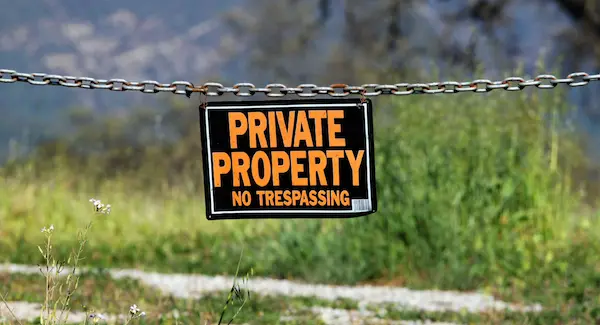
Private property rights grant individuals or entities exclusive control and ownership over their land. These rights encompass the ability to use, possess, and transfer property within legal boundaries.
Understanding ownership boundaries is vital when flying drones over private property to ensure respect for the rights of landowners.
Differentiating Between Private And Public Airspace
While private property rights extend to the land, the airspace concept differs. Airspace is typically considered public, falling under the jurisdiction of aviation authorities.
However, landowners still possess certain rights and privileges regarding the airspace.
Distinguishing between private and public airspace helps define the scope of drone operations and the necessary considerations for flying over private property.
The Limitations Of Property Rights In Relation To Airspace Usage
While landowners have property rights, these rights are limited regarding airspace usage.
The public’s right to use airspace for aviation and other activities may supersede a landowner’s control.
This means that drone operators must navigate airspace regulations, respect the rights of others, and comply with local laws, even when flying over their private property.
Legal Considerations For Flying Drones Over Private Property
Flying drones over private property involves legal considerations that must be understood and adhered to.
Researching And Understanding Local Drone Regulations
Each country or region has specific rules and regulations regarding drone operations, including altitude restrictions, flight paths, and privacy considerations.
It is crucial to thoroughly research and understand the local drone regulations in your area to ensure compliance and avoid legal issues.
This includes knowing any specific restrictions or guidelines for flying drones over private property.
Obtaining Necessary Permits Or Licenses For Commercial Drone Operations
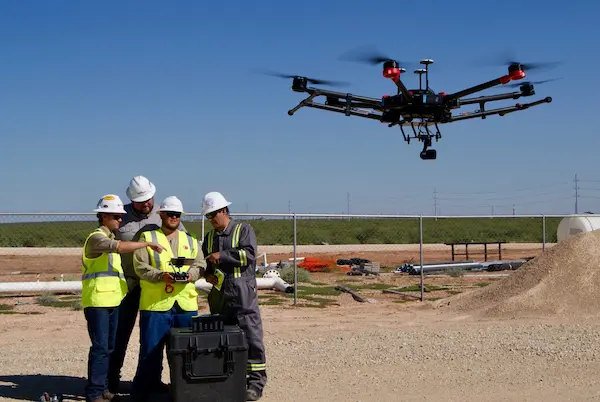
If you plan to use your drone for commercial purposes, such as aerial photography or videography, you may need to obtain permits or drone licenses.
Commercial drone operations often involve additional regulations and requirements to ensure safety and professionalism.
Understanding the process and obtaining the necessary permissions is essential to operate legally and responsibly.
Complying With Restrictions And Requirements For Flying Drones Over Private Property
When flying drones over private property, it is essential to respect the rights and privacy of the landowners.
Some regions may require permission from the property owners before flying over their land, particularly at lower altitudes.
Maintaining a safe distance from people, buildings, and sensitive areas is crucial to avoid conflicts and protect privacy.
Consequences Of Unauthorized Drone Flights Over Private Property
Flying a drone over private property without proper authorization can have serious consequences. Let’s explore the potential legal penalties, civil liabilities, and precedents for unauthorized drone flights over personal property.
Legal Penalties And Potential Civil Liabilities
Unauthorized drone flights over private property can lead to legal consequences. Depending on the jurisdiction, drone operators may face fines, confiscation of the drone, or even criminal charges.
Additionally, property owners may have the right to seek compensation for any damages caused by the drone, such as property damage or privacy infringement.
It is essential to be aware of the potential legal penalties and liabilities to prevent legal repercussions.
Cases And Precedents Involving Privacy Infringement And Trespassing
In some cases, unauthorized drone flights over private property have resulted in privacy infringement and trespassing claims.
Courts have ruled in favor of property owners, emphasizing protecting their privacy rights and their property boundaries.
Precedents set in these cases establish legal standards and reinforce the need for responsible drone flying practices.
The Importance Of Responsible Drone Flying To Avoid Legal Issues
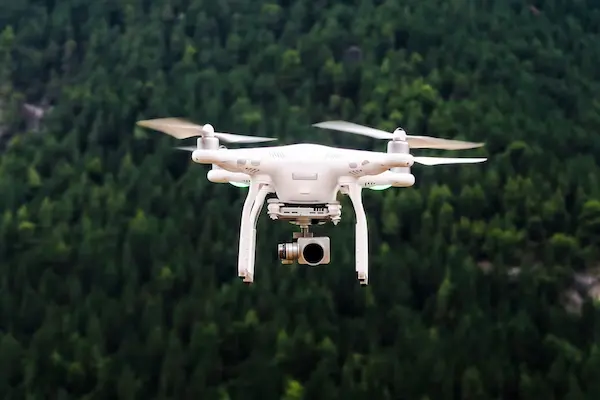
Responsible drone flying is crucial to avoid legal issues and maintain positive relationships with property owners. Drone operators can mitigate the risk of legal penalties and civil liabilities by obtaining proper authorization, respecting privacy, and adhering to local regulations.
Understanding the consequences of unauthorized drone flights underscores the significance of responsible behavior and encourages drone enthusiasts to fly within legal boundaries.
What is the Lowest You Can Fly a Drone?
When we talk about flying drones, many people ask, “How low can I fly my drone over someone’s land?” It’s an important question. We need to follow rules to keep everyone safe.
In many places, the rule is simple. You can’t fly your drone less than 400 feet above the ground. That means if you have a drone, you must keep it higher than 400 feet when you fly over private land.
But remember, some areas may have special rules. You must always check local laws. Some places may say you can’t fly a drone at all. Others might let you fly lower than 400 feet. But in most areas, 400 feet is the key number.
It’s also a good idea to talk to the landowner. If they say okay, you can fly your drone lower. But if they say no, you must respect their wishes.
In short, 400 feet is the general rule. But always check local regulations and ask the landowner first. This way, you fly safely and respect others.
Check out this guide on Drones Under 300 USD.
How Close to a House Can You Fly a Drone?
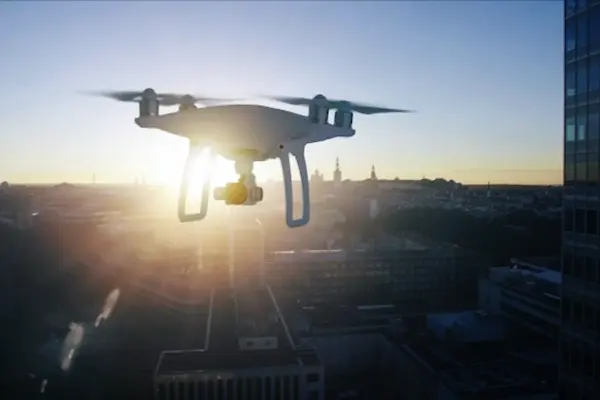
Flying a drone can be lots of fun. But we must know where and how high to fly it. This keeps everyone safe and happy. So, how close to a house can you fly a drone?
When you fly a drone near a house, it’s best to avoid windows and roofs. This is because drones can be noisy and may disturb people inside. They also might think you are trying to spy on them. This can make them very upset.
In many places, there are rules about flying drones. These rules tell you how high or low you can fly. Some places say you can’t fly lower than 150 feet over a house. That’s about as tall as a 15-story building. Always check the rules in your area before you fly.
It is also a good idea to tell your neighbors if you plan to fly your drone close to their house. They will be happy if you let them know. And they might even want to watch!
Remember, safety comes first! Keep away from trees, wires, and birds. And always have fun while flying.
In short, when you fly a drone near a house, be careful and kind. Respect other people’s space and follow the rules. Everyone will have a good time if you do!
How Low Can You Fly A Drone Over Private Property: Conclusion
Flying a drone over private property comes with legal considerations and responsibilities. Understanding the regulations, obtaining necessary permissions, and respecting the rights of property owners is critical to flying drones responsibly.
The consequences of unauthorized drone flights can range from legal penalties to civil liabilities, highlighting the importance of adhering to local laws and regulations.
Remember, each jurisdiction may have specific rules and guidelines regarding drone operations over private property.
Researching and understanding the local regulations and staying informed about any updates is essential. This will ensure a safe and enjoyable drone-flying experience for everyone involved.
By flying responsibly, we can protect privacy, maintain safety, and preserve the positive reputation of the drone community.