Yes, you can fly a drone at night. But there are some rules to follow. The Federal Aviation Administration (FAA) lets you fly drones at night if you meet certain conditions.
The sky looks amazing after dark, and flying a drone can capture that beauty. But safety comes first. You’ll need special lights on your drone and, sometimes, a permit.
Drone technology has gained immense popularity, with enthusiasts and professionals using drones to capture stunning aerial footage.
However, as the use of drones continues to rise, it is crucial to understand and follow aviation regulations.
Keep reading to learn the exact steps to enjoy night flying without breaking the law. It’s simpler than you think!
Table of Contents
Understanding Nighttime Drone Flying Regulations
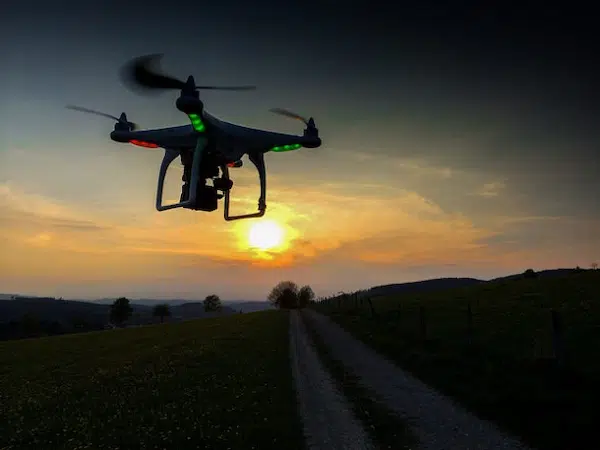
Navigating the skies with a drone necessitates a solid understanding of general flying regulations, specific rules for nighttime operations, and the legal and safety requirements that govern flying after sunset. Let’s delve into these topics to gain a deeper insight into drone flight at night.
Overview Of General Drone Flying Regulations
Before diving into nighttime drone flying, it is crucial to understand the general regulations that apply to all drone operations. These regulations typically cover aspects such as registration requirements, flight altitude and distance restrictions, and no-fly zones near airports and sensitive areas. Familiarizing yourself with these regulations is essential for responsible drone flying.
Specific Rules And Considerations For Nighttime Flying
Flying a drone at night introduces unique challenges and risks due to reduced visibility. As a result, aviation authorities have imposed specific rules and considerations for nighttime operations. In this section, we will delve into topics such as required lighting, pilot training, potential risks, and mitigation strategies to ensure safe nighttime flights.
Legal And Safety Requirements For Night Operations
Nighttime drone operations come with legal and safety requirements that must be met to ensure the well-being of people and property. These requirements may include obtaining a night operations waiver, adhering to anti-collision lighting regulations, and implementing additional safety measures. Understanding and complying with these requirements is vital to fly a drone safely at night.
Factors To Consider For Nighttime Drone Flying
When it comes to nighttime drone flying, there are several crucial factors to consider. These factors play a significant role in ensuring a safe and successful flight. Let’s explore 5 key considerations for flying drones at night:
Visibility And Lighting Conditions
One of the primary challenges when flying a drone at night is the reduced visibility. Pilots must consider ambient lighting conditions, such as moonlight and artificial light sources, to ensure they can maintain visual contact with their drones at all times. Proper planning and selecting the right flying location based on lighting conditions are essential for a successful nighttime flight.
Drone Lighting Requirements
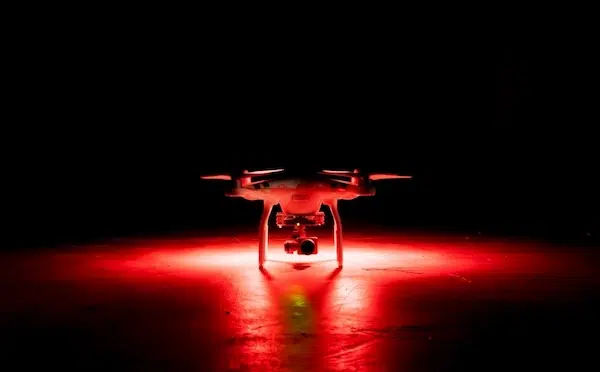
To enhance visibility and ensure the safety of manned aircraft and people on the ground, drones operated at night are required to have specific lighting configurations. These configurations often include anti-collision lights, navigation lights, and additional strobes or beacons. Understanding the lighting requirements for nighttime operations is critical for legal compliance and minimizing the risk of accidents.
Pilot Training And Experience
Flying a drone at night demands a higher level of skill and experience compared to daytime flights. Pilots must possess the necessary training and proficiency to navigate their drone safely in low-light conditions. This section will explore the training and experience requirements for flying a drone at night and highlight the importance of honing one’s skills before attempting nighttime operations.
Potential Risks And Mitigation Strategies
Nighttime drone flying introduces additional risks, such as limited visibility, increased likelihood of collisions, and potential environmental hazards. This section will discuss these risks in detail and provide effective strategies to mitigate them. Understanding the potential challenges and employing appropriate risk mitigation techniques are crucial for safe nighttime drone operations.
Environmental And Noise Concerns
Operating drones at night also involves considering the impact on the surrounding environment and minimizing disturbances caused by noise. Nighttime wildlife, sleeping communities, and sensitive areas must be taken into account to avoid disruption. This section will address environmental and noise concerns associated with nighttime drone flying and provide guidance on how to minimize any negative impact.
FAA Regulations And Guidelines For Nighttime Drone Flying
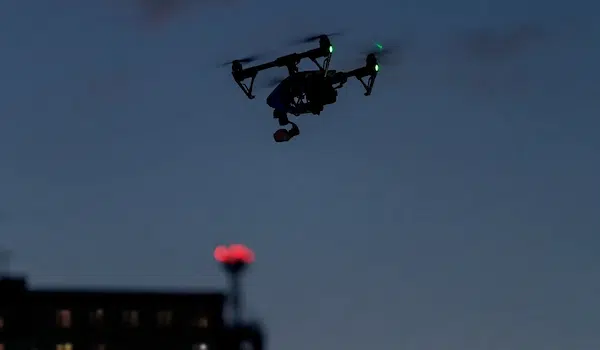
The Federal Aviation Administration (FAA) has established specific regulations and guidelines for nighttime drone flying to ensure the safety of the airspace. Understanding and complying with these regulations is essential for legal and responsible operations. Let’s explore the key aspects of FAA regulations and guidelines for nighttime drone flying:
Part 107 Night Operations Waiver
The Federal Aviation Administration (FAA) regulates drone operations in the United States through the Part 107 rules. However, specific waivers are required to operate a drone at night commercially. This section will outline the process of obtaining a Part 107 Night Operations Waiver and the conditions that must be met to ensure compliance.
Anti-Collision Lighting Requirements
To enhance visibility and reduce the risk of mid-air collisions, the FAA mandates certain lighting requirements for drones operating at night. Understanding these requirements and ensuring compliance is crucial for flying a drone legally and safely after sunset.
Additional Safety Measures And Precautions
Apart from lighting requirements, the FAA emphasizes additional safety measures for nighttime drone operations. These measures include maintaining communication with air traffic control (if applicable), implementing redundant systems, and conducting thorough pre-flight inspections. Pilots must be aware of these precautions and adhere to them to ensure the safety of their flights.
Permission And Notification Requirements
In some cases, obtaining permission or notifying relevant authorities may be necessary before conducting nighttime drone operations. This section will discuss situations where permissions or notifications might be required and guide pilots on how to comply with these requirements effectively.
Best Practices And Tips For Nighttime Drone Flying
It’s important to follow various best practices and tips for a safe and enjoyable experience with nighttime drone flying. Here are the top 5 recommendations to consider:
Pre-flight Planning And Risk Assessment

Thorough pre-flight planning is essential for nighttime drone operations. Pilots should assess potential risks, identify suitable flying locations, check weather conditions, and plan their flight paths accordingly. This section will provide a comprehensive guide to pre-flight planning, ensuring a well-prepared and safe nighttime flight.
Ensure Proper Lighting And Visibility
To maintain visual contact with the drone, proper lighting and visibility are critical during nighttime operations. This section will offer tips and guidance on selecting appropriate lighting configurations, ensuring the drone is visible from different angles, and optimizing the visibility of the drone’s orientation.
Maintain Line Of Sight And Avoid Obstacles
Maintaining line of sight becomes more challenging at night, making it crucial for pilots to avoid obstacles and maintain a clear view of their drone. This section will cover strategies for maintaining line of sight, utilizing spotter assistance, and employing obstacle avoidance systems where available.
Familiarize Yourself With The Flying Area
Before conducting nighttime drone operations, pilots should familiarize themselves with the flying area during daylight hours. This section will discuss the importance of scouting the area in advance, noting any potential hazards or obstacles that may be more difficult to detect at night.
Stay Updated With Local Regulations And Guidelines
Nighttime drone flying regulations may vary between jurisdictions, and it is essential for pilots to stay updated with local rules and guidelines. This section will highlight the importance of remaining informed about any regional restrictions and provide resources for accessing relevant information.
Frequently Asked Questions
1. Can You Fly A Drone At Night Without Any Special Permission?
No, in most cases, you cannot fly a drone at night without special permission. For commercial drone operations, you need a Part 107 Night Operations Waiver from the FAA. Recreational drone pilots may also have restrictions on nighttime flying, depending on local regulations.
2. What Lighting Requirements Are Necessary For Nighttime Drone Flights?
Lighting requirements for nighttime drone flights typically include anti-collision lights, navigation lights, and additional strobes or beacons. These lights help enhance visibility and ensure the drone can be seen by other aircraft and observers.
3. Are There Any Restrictions On The Type Of Drones Allowed For Nighttime Flying?
The FAA does not impose specific restrictions on the type of drones allowed for nighttime flying. However, it is crucial to ensure that your drone is equipped with proper lighting and meets any additional requirements set by the manufacturer or local regulations.
4. Do I Need To Undergo Any Additional Training To Fly A Drone At Night?
While the FAA does not mandate specific additional training for flying drones at night, it is highly recommended. Nighttime flying presents unique challenges, and having additional training and experience can greatly enhance safety and proficiency in low-light conditions.
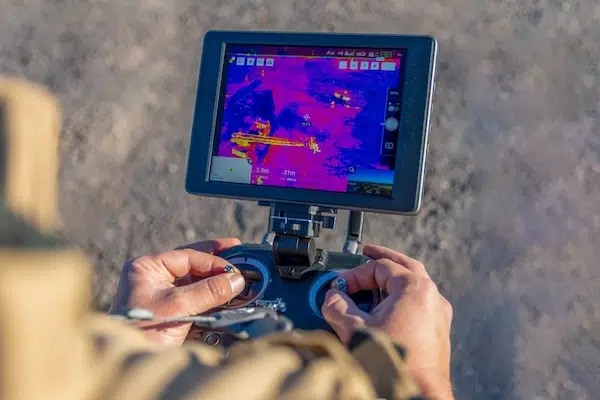
5. Can I Use Night Vision Or Thermal Cameras On My Drone For Nighttime Operations?
The use of night vision or thermal cameras on drones for nighttime operations is generally allowed. However, it is important to check local regulations and ensure compliance with any restrictions or licensing requirements related to the use of specific camera technologies.
Conclusion
In conclusion, flying a drone at night requires a thorough understanding of the regulations and considerations unique to nighttime operations. Pilots must be aware of lighting requirements, obtain necessary permissions if applicable, and prioritize safety in every aspect of their flights. By adhering to regulations and prioritizing safety, pilots can enjoy the benefits of nighttime drone operations while minimizing potential hazards. By following the guidelines, aspiring drone pilots can explore the thrilling world of nighttime drone flying while ensuring the safety and security of themselves and others. I hope you’ve got a clear idea of the question “can you fly a drone at night”, after reading this article.