The usage of unmanned aerial vehicles, commonly known as drones, has witnessed a significant surge in popularity over the past few years. However, it is crucial to understand the regulations and restrictions surrounding drone flight, particularly regarding altitude. Understanding the maximum flight altitude for drones is vital for both recreational and commercial drone operators.
This article aims to provide a comprehensive guide to drone altitude restrictions, ensuring that drone pilots have a clear understanding of the maximum flight altitudes allowed in various scenarios.
Table of Contents
Understanding Drone Altitude Restrictions
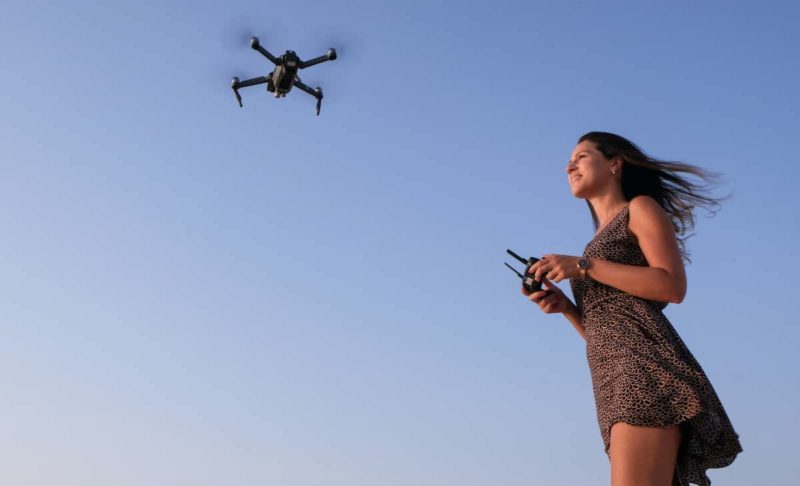
Wondering how high can I fly my drone? Understanding the altitude restrictions is crucial for safe and legal operation. The general considerations regarding drone altitude restrictions are:
General Drone Flight Regulations
Drone flight regulations vary depending on the country and region. It is crucial to familiarize oneself with the local regulations enforced by the civil aviation authority. These regulations typically include specific provisions regarding maximum flight altitude, which must be adhered to at all times.
Airspace Classification and Restrictions
Airspace is classified into different categories, such as controlled airspace, restricted airspace, and prohibited airspace. Each classification carries specific restrictions for drone flight, including altitude limitations. It is essential to understand these classifications and their associated restrictions to ensure compliance and avoid potential legal issues.
Maximum Flight Altitude for Recreational and Commercial Drone Operations
Both recreational and commercial drone operations have distinct regulations regarding maximum flight altitudes. Recreational drone pilots typically have lower altitude limitations compared to those conducting commercial operations. These restrictions are in place to prioritize safety and minimize the risk of interference with manned aircraft.
FAA Regulations on Maximum Drone Flight Altitude
Are you thinking how high can I fly my drone without breaking the rules? The FAA’s regulations for drone flight altitude are as follows:
Part 107 Commercial Drone Operations
For commercial drone operations in the United States, the Federal Aviation Administration (FAA) has established regulations under Part 107. These regulations stipulate that drones operated under Part 107 must not exceed an altitude of 400 feet above ground level, unless authorized by a waiver.
Recreational Drone Flying Guidelines
Recreational drone flying in the United States is governed by guidelines provided by the FAA. According to these guidelines, recreational drone pilots should keep their drones below 400 feet above ground level, avoiding any interference with manned aircraft and ensuring safe and responsible operation.
Special Rule for Model Aircraft
The FAA’s Special Rule for Model Aircraft provides guidelines specifically for recreational model aircraft operators. Under this rule, model aircraft operators must adhere to certain altitude limitations. While no specific maximum altitude is mentioned, the rule requires model aircraft operators to fly within visual line of sight and avoid interfering with manned aircraft.
Factors Influencing Drone Flight Altitude
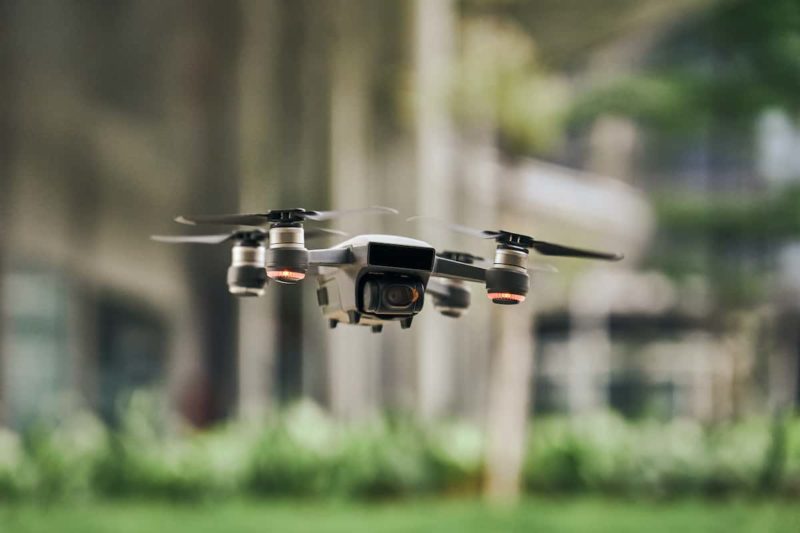
Several factors can influence the permissible or recommended drone flight altitude. Here are the 5 key factors:
Airspace Class and Proximity to Controlled Airports
Airspace classification plays a crucial role in determining the maximum flight altitude for drones. Controlled airspace, typically surrounding airports, imposes stricter altitude restrictions. Pilots should be aware of the airspace class in their operating area and ensure compliance with the corresponding altitude limitations.
Local Regulations and No-Fly Zones
Local regulations and designated no-fly zones may further restrict the maximum flight altitude for drones. These restrictions are often in place due to safety concerns or privacy considerations. It is essential to research and understand these local regulations and avoid flying in restricted areas.
Safety Considerations and Obstacle Clearance
Safety should be a top priority for drone pilots. Maintaining a safe flight altitude allows for proper obstacle clearance and reduces the risk of collisions with structures, trees, or other objects. Pilots should always consider the environment and potential hazards when determining their drone’s flight altitude.
Drone Performance and Battery Life
Drone performance capabilities and battery life can affect the maximum flight altitude achievable. It is crucial to understand the specifications and limitations of your drone model to ensure safe and controlled flight. Exceeding the recommended altitude limit or pushing the battery to its limits may compromise the drone’s stability and pose a safety risk.
Visual Line of Sight and Remote Control Range
Maintaining visual line of sight with the drone is a regulatory requirement in many jurisdictions. The pilot should be able to see the drone at all times during flight. The altitude at which the drone remains visible may vary depending on factors such as lighting conditions, terrain, and the pilot’s visual acuity. Additionally, the drone’s remote control range should be considered to ensure reliable communication and control throughout the flight.
Tips for Flying within Drone Altitude Restrictions
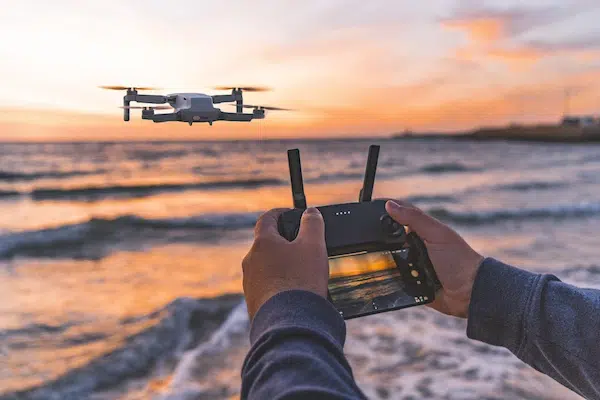
Exploring the limits of drone flight? Learn about the maximum altitude restrictions and discover the answer to the question “how high can I fly my drone legally”. Here are the 5 most effective tips for flying within drone altitude restrictions:
Researching and Understanding Local Regulations
Before taking a flight, it is essential to research and understand the local regulations and restrictions specific to your operating area. This includes identifying any airspace limitations, no-fly zones, and maximum altitude restrictions that may apply.
Checking Airspace Class and Temporary Flight Restrictions
Regularly checking airspace classifications and temporary flight restrictions (TFRs) is crucial to stay up to date with any changes that may impact your planned flight. TFRs are often imposed for events, emergencies, or other temporary situations, and they may include specific altitude restrictions.
Utilizing Smartphone Apps and Airspace Maps
There are various smartphone apps and online airspace maps available that provide valuable information for drone pilots. These tools can help identify airspace classes, temporary flight restrictions, and other relevant details to ensure compliance with maximum flight altitude regulations.
Using Altitude Limitation Features in Drone Software
Many drones come equipped with altitude limitation features in their software. These features allow pilots to set a maximum altitude threshold, ensuring that the drone does not exceed the permitted limits. Utilizing these built-in safety features can help drone operators fly within the legal altitude restrictions.
Monitoring Battery Levels and Flight Conditions
To ensure a safe flight within the altitude restrictions, it is essential to monitor the drone’s battery levels and flight conditions. Adequate battery levels should be maintained to allow for a safe return to the launch point, and unfavorable weather conditions such as strong winds or low visibility should be considered before taking off.
Safety Considerations and Best Practices
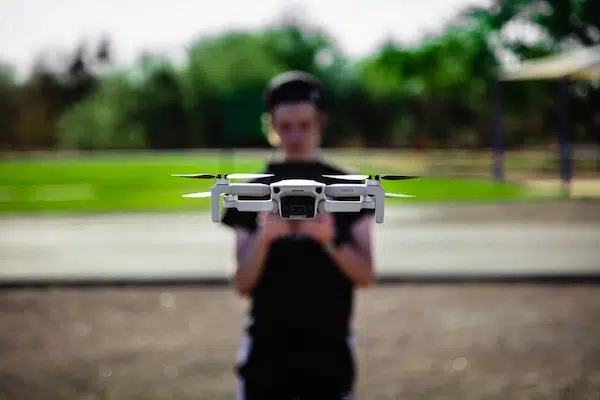
To maintain safe and responsible drone flights while adhering to altitude limitations, it is imperative to prioritize safety and adhere to recommended guidelines. Presented below are key safety considerations and best practices that should be taken into account:
Maintaining Visual Line of Sight at All Times
Maintaining visual line of sight with the drone is a fundamental safety practice. By having a clear view of the drone, the pilot can better assess its flight path, detect potential obstacles, and react promptly to changing conditions or emergencies.
Avoiding Interference with Manned Aircraft
Drone pilots must always prioritize the safety of manned aircraft. It is crucial to avoid flying in the vicinity of airports or interfering with the flight paths of planes, helicopters, or other aircraft. Staying well below the altitude of manned aircraft helps prevent potential collisions and ensures a safer airspace environment.
Monitoring Weather Conditions and Wind Speed
Weather conditions, including wind speed and direction, play a significant role in drone flight safety. Strong winds can affect the stability and control of a drone, especially at higher altitudes. Before flying, pilots should assess the weather conditions and avoid flying in unfavorable conditions that may compromise the safety of the flight.
Conducting Pre-flight Inspections and Risk Assessments
Performing thorough pre-flight inspections and risk assessments is a crucial part of responsible drone operation. This includes checking the drone’s hardware, ensuring proper functioning of sensors and control systems, and evaluating the surrounding environment for potential risks or hazards that may affect flight altitude.
Adhering to Privacy and Respectful Flying Practices
Drone pilots should always be mindful of privacy concerns and respectful flying practices. Respecting the privacy of individuals and properties is essential when flying a drone. It is important to avoid intruding on private spaces and to obtain necessary permissions when operating near sensitive areas.
Frequently Asked Questions
1. What is the maximum altitude limit for recreational drone flying?
The maximum altitude limit for recreational drone flying is usually 400 feet above ground level in many jurisdictions, including the United States.
2. Can I fly my drone above buildings or trees?
While regulations vary, it is generally advisable to maintain a safe altitude above buildings and trees to ensure obstacle clearance and reduce the risk of collisions.
3. Are there any exceptions to the maximum altitude restrictions?
Exceptions to maximum altitude restrictions may exist in certain situations, such as when authorized by a waiver or permit obtained from the relevant civil aviation authority.
4. Can I request a waiver for higher drone flight altitudes?
In some cases, drone operators can request a waiver to exceed the maximum flight altitude. The process for obtaining a waiver may vary depending on the jurisdiction and the specific circumstances.
5. How can I determine the maximum allowed altitude for my location?
To determine the maximum allowed altitude for your location, it is essential to research and understand the local regulations enforced by the civil aviation authority. These regulations often specify the maximum flight altitude for recreational and commercial drone operations.
Conclusion
In conclusion, understanding and complying with drone altitude restrictions are essential for safe and responsible drone operation. By following the regulations set by civil aviation authorities, drone pilots can ensure airspace safety and foster a positive public perception of drone technology. By prioritizing safety, respecting regulations, and considering best practices, drone operators can enjoy their flights while minimizing risks and contributing to the growth of the drone community.