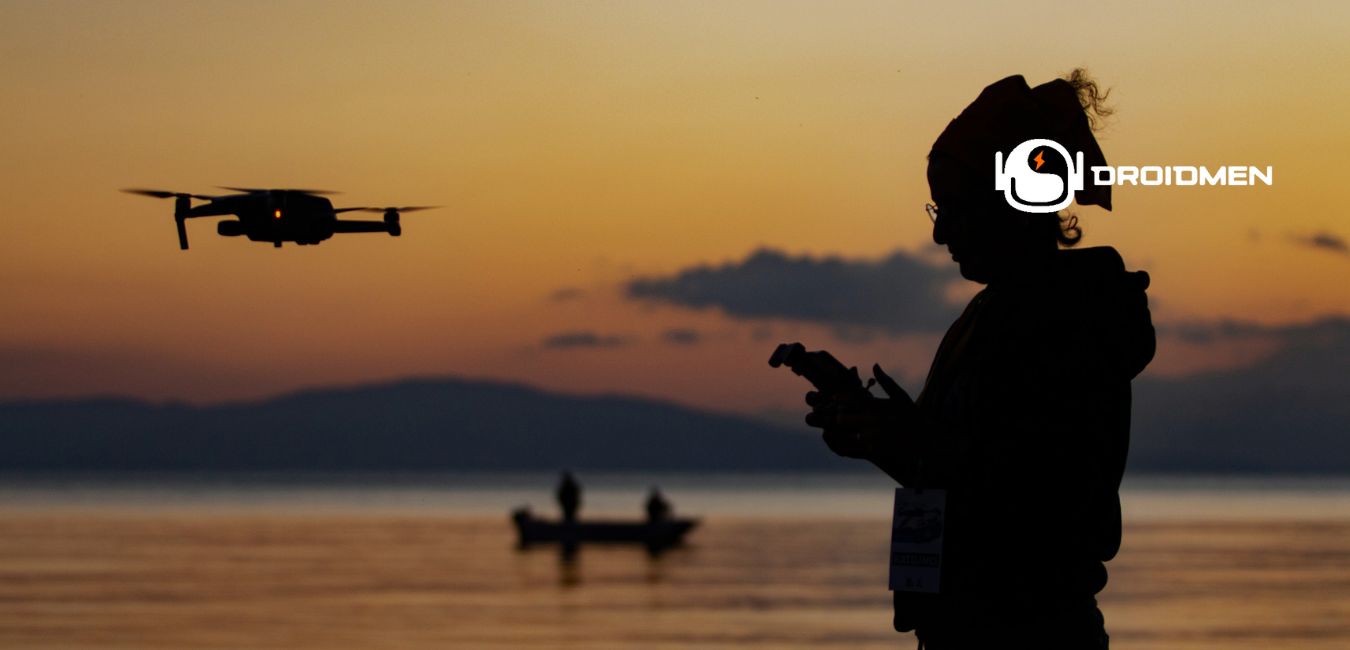
Flying drones at the beach can be fun and exciting. Yet, there are important rules and safety tips you must follow. Beaches can have specific regulations that control where and how you can fly a drone. So, can you fly a drone at the beach?
Yes. Yet, it depends on local rules and safety guidelines. Always check for specific beach regulations, FAA rules, and no-fly zones. Be cautious of flying near crowds, wildlife, or restricted areas. Maintain a line of sight and avoid flying over water to protect your drone from accidents.
This article will explain everything you need to know about flying a drone at the beach. This includes legal rules, safety tips, and best practices.
Table of Contents
Key Takeaways
- Check Local Regulations: Always research drone laws at the beach since different places have different rules to follow.
- Respect Privacy: Do not fly your drone over people or private spaces to protect privacy and avoid accidents.
- Mind Environmental Restrictions: Some beaches have rules to protect wildlife, so drone flying can be limited in certain areas.
Legal Regulations For Flying Drones
Before flying a drone, it’s essential to understand the legal rules that apply. Different places have different regulations to protect people, animals, and property. Knowing the rules will help you avoid trouble, protect your drone, and fly responsibly and safely. Let’s get into the discussion.
FAA Rules For Drone Flying
The Federal Aviation Administration (FAA) sets rules for flying drones in the United States. When your drone weighs more than 0.55 pounds, it must be registered with the FAA. You must also follow the general rule to keep the drone below 400 feet and away from restricted airspace, such as airports. Always check the FAA guidelines before flying.
No-Fly Zones At Beaches
Some beaches are located near airports, military bases, or other restricted areas. This makes them no-fly zones. Drones are not allowed to fly in these areas for safety reasons. You must check maps of restricted airspace online to ensure you aren’t flying your drone in a banned zone.
Height Restrictions On Drones
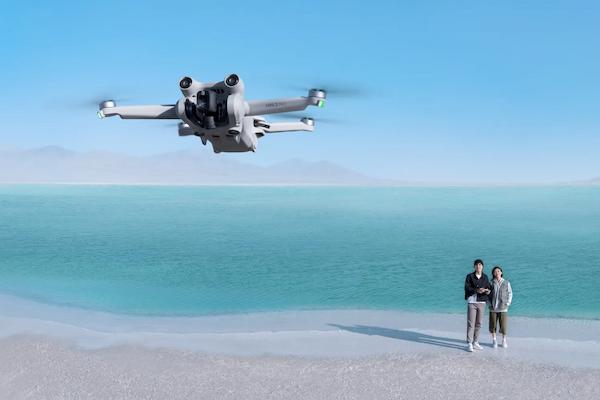
Height restrictions on drones are important for safety. The FAA sets a rule that drones can’t fly higher than 400 feet. This helps keep drones away from airplanes and other flying objects. However, some beaches can have lower limits, so checking local rules before flying is important. Always stay within the allowed height to avoid breaking the law and to keep everyone safe, including yourself and others on the beach.
Permits And Licenses Required
Some beaches can require you to have a permit to fly your drone, especially if you plan to use it for commercial purposes. When you’re making money from the videos or photos taken with your drone, you will need a commercial license from the FAA. Always check with local authorities to see if a permit is necessary.
Local Beach-Specific Regulations
Before flying a drone at the beach, it’s important to know that some beaches have their own special rules. These rules could include areas where you can fly your drone or certain times when it’s allowed. To avoid problems, always check with beach authorities or visit the beach’s website to see if they have any specific drone guidelines. Following these rules helps keep everyone safe and ensures a fun day for everyone at the beach.
Safety Considerations At The Beach
When visiting the beach, it’s important to stay safe while having fun. There are a few things to keep in mind, like protecting yourself from the sun, staying aware of water conditions, and following beach rules. By being careful, you can enjoy your time at the beach without any problems.
Avoid Flying Near Crowds
It’s important not to fly your drone over groups of people. When your drone has a problem and falls, it could hurt someone. To keep everyone safe, always choose a spot where there aren’t many people around. This way, even when something goes wrong, the chances of an accident are much lower.
Be Cautious Of Wildlife
Beaches are home to many animals, like birds, that can be disturbed by drones. Flying too close to wildlife can scare them or disrupt their homes. It’s important to avoid flying near birds, nests, or special areas meant to protect animals. Always watch for signs that say where you mustn’t go, and follow the rules to keep wildlife safe.
Wind And Weather Conditions
Strong winds at the beach can make it hard to control your drone. When the wind is too strong, your drone can crash or accidentally fly into places where it’s not allowed. That’s why it’s important to check the weather before you fly. When it’s windy or stormy, it’s best to wait for a calmer day to fly your drone safely.
Keep Away From Water Hazards
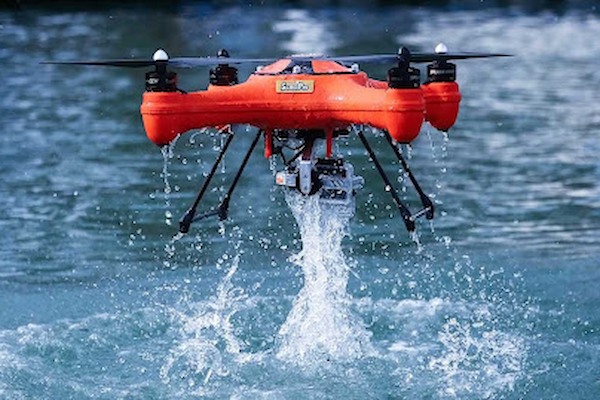
Saltwater can harm drones if they get too close. When a drone falls into the ocean or gets sprayed by saltwater, it can stop working because the salt can damage its parts. To protect your drone, always keep a safe distance from the water when flying. This way, you avoid accidents and keep your drone safe from water hazards.
Maintain Line Of Sight
Always keep your drone where you can see it. This helps you steer clear of obstacles and stay in control. When you lose sight of your drone, it can crash into things, especially on a busy beach with lots of people and objects. Keeping your drone in view at all times makes flying safer and helps prevent accidents.
Best Practices For Drone Flying At The Beach
Flying a drone at the beach can be fun. Still, it’s important to follow some best practices to keep everyone safe. Pay attention to the rules, respect wildlife, and stay aware of weather conditions. Thus, you can enjoy flying your drone while protecting others and the environment. Let’s learn more about them.
Fly During Less Crowded Times
Flying your drone when the beach is less crowded like early in the morning or late in the afternoon, is safer. During these times, there are fewer people, so there’s less chance of bothering anyone or causing an accident. Choosing a quieter time helps you fly your drone responsibly and safely without disturbing others.
Use The Drone’s GPS Features
Most drones today have GPS features that help you know where your drone is and keep control. This is especially helpful at the beach, where it can be easy to lose track of your drone because of the wide-open spaces and the ocean. Using the GPS can guide you and make sure your drone stays safe and doesn’t get lost.
Practice Responsible Drone Etiquette
When flying your drone, always be respectful of others. Stay away from people who are sunbathing, having a picnic, or relaxing at the beach. Your drone could bother them or invade their privacy. Being thoughtful of people around you is a key part of responsible drone flying. This helps everyone enjoy their time at the beach without any problems.
Pack Extra Batteries And Gear
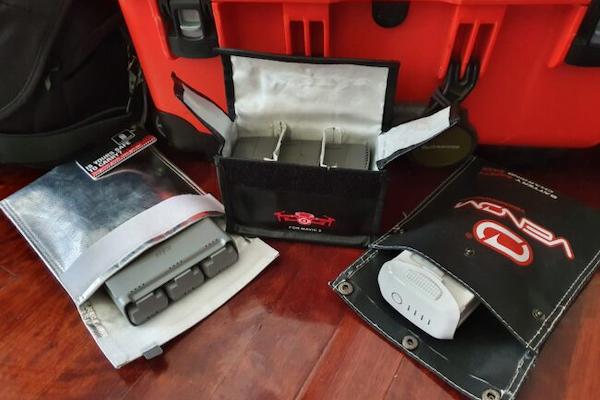
When flying your drone at the beach, the battery can run out quickly, especially if it’s windy. To avoid your drone stopping in the middle of your fun, pack extra batteries, a charger, and any tools you will need. This way, you can keep your drone flying without interruptions and enjoy a longer, smoother experience at the beach.
Tips For Capturing Great Beach Footage
Capturing amazing beach footage with your drone can be exciting! By following a few simple tips, you can create beautiful videos of the ocean, sand, and sky. From finding the best angles to using the right settings, these tips will help you get the perfect shots during your beach adventure.
Capture Sunrise Or Sunset Views
Sunrise and sunset are great times to capture beautiful beach videos because the light is soft and colorful. The low light during these times creates amazing colors in the sky and on the water, making your footage look even better. Filming at these moments can make your beach videos stand out and look more professional.
Use Filters To Reduce Glare
The beach can be very bright, and sunlight reflecting off the water and sand can create glare in your drone videos. To fix this, you can use special filters like polarizing lenses. These filters help reduce glare, making your shots look clearer and more colorful. This way, your drone footage will look even better, with fewer bright spots or reflections.
Keep Shots Stable With Slow Movement
To get clear and smooth footage with your drone, it’s important to fly slowly and steadily. When you move too quickly, your shots can look shaky and less appealing. By flying your drone with gentle, gradual movements, you can capture stable and beautiful videos that look more professional and enjoyable to watch.
Potential Penalties For Flying In Restricted Areas
Flying a drone in restricted areas can lead to serious consequences. These areas are off-limits for safety and privacy reasons. When you fly in these places, you can face penalties. For example, fines or even having your drone taken away. It’s important to know the rules to avoid any trouble.
Fines For Violating Laws
When you break drone laws, you could face big fines. The amount you pay depends on how serious the rule-breaking is. In some cases, you will have to pay hundreds or even thousands of dollars. To avoid these fines, always follow the rules and make sure you’re flying your drone in allowed areas.
Confiscation Of Drone
When you fly your drone in restricted areas or break important safety rules, authorities can take your drone away. This is called confiscation, and it means you lose your drone. When your drone is expensive, this can be a big loss. To avoid losing your drone, always follow the rules and fly in safe, allowed places.
Legal Consequences For Unsafe Flying
When you fly a drone carelessly and someone gets hurt or property is damaged, you could face legal trouble. This can include lawsuits where you are held responsible for the harm caused. To avoid these serious consequences, always fly your drone safely and stay aware of your surroundings to prevent accidents.
Responsibility For Property Damage
When your drone crashes and breaks someone’s property, you’ll have to pay for the damage. This could mean fixing or replacing things that were harmed. To prevent this, it’s important to fly your drone carefully and be aware of where you’re flying. By being responsible, you can avoid accidents and stay out of trouble.
FAQs
1. How Do I Ensure Privacy While Flying A Drone At The Beach?
To ensure privacy while flying a drone at the beach, avoid flying near people, especially those relaxing or sunbathing. Keep your distance from crowded spots and use your drone’s camera by not zooming in on others. Follow local rules and pay attention to signs about drone use and privacy.
2. Do I Need To Register My Drone Before Flying It At The Beach?
Yes. You must register your drone before flying it at the beach if it weighs more than 0.55 pounds (250 grams). The Federal Aviation Administration (FAA) requires this for larger drones. Check local rules and carry proof of registration to ensure you’re flying legally and safely at the beach.
3. How Can I Ensure That My Drone Battery Lasts Longer When Flying At The Beach?
To make your drone battery last longer at the beach, avoid flying in windy conditions, as this drains the battery faster. Turn off extra features like video recording or GPS when not needed. Always fully charge the battery before flying, and bring along extra batteries to enjoy more flight time.
Conclusion
Flying a drone at the beach can be exciting, but it’s important to be responsible. Always follow the rules set by the FAA, check the local beach regulations, and make safety your priority. This helps you avoid fines, accidents, or legal trouble.
Be mindful of where you’re flying and keep your drone away from people, wildlife, and restricted areas. By using the tips and best practices shared in this article, you can safely enjoy capturing amazing beach footage.
Remember to respect the environment, follow the rules, and have fun flying your drone responsibly!