If you’re an avid drone enthusiast planning to travel by air, you might be wondering whether you can bring your beloved aerial device along. The good news is that in most cases, it is possible to bring a drone on a plane.
However, there are important considerations and regulations that you need to be aware of before packing your drone into your luggage. Ensuring a hassle-free journey requires understanding airline policies, battery restrictions, and local regulations at your destination.
From distinguishing between carry-on and checked luggage to adhering to specific battery packaging guidelines, navigating the rules is essential. In this article, we will discuss whether can you bring a drone on a plane and things to consider.
Table of Contents
Understanding Airline Policies And Regulations
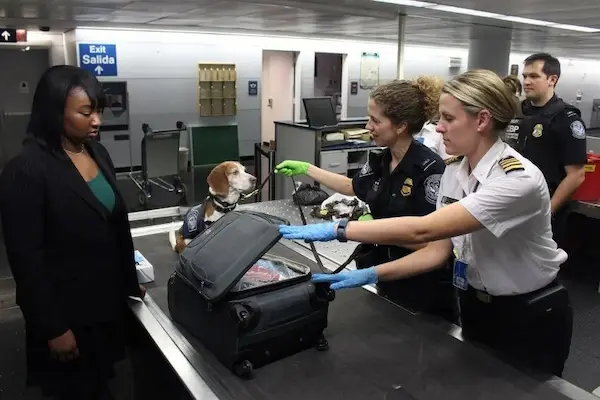
When it comes to bringing a drone on a plane, understanding and complying with airline policies and regulations is crucial.
Before you embark on your journey, it’s essential to research and familiarize yourself with the specific policies of the airline you’ll be flying with. Each airline may have different guidelines regarding the transportation of drones.
One important aspect to consider is the differentiation between carry-on and checked baggage regulations.
Drones are generally not allowed in checked luggage due to safety concerns related to their lithium-ion batteries. Instead, they should be carried in your carry-on luggage, where they can be easily monitored and protected.
Complying with these regulations is of utmost importance. Failure to do so could result in your drone being confiscated, delays at security checkpoints, or even being denied boarding.
By respecting the rules set forth by the airline, you can ensure a smoother travel experience and enjoy your drone safely at your destination.
Transportation Security Administration (TSA) Guidelines
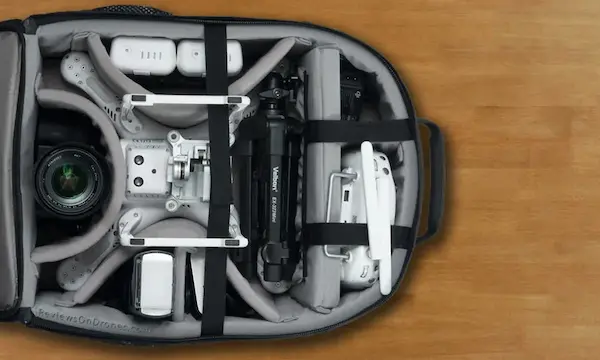
When it comes to traveling with a drone, it’s essential to be familiar with the Transportation Security Administration (TSA) guidelines in the United States. These guidelines outline specific requirements to ensure the safe transportation of drones.
When planning to travel with a drone, it’s important to understand the guidelines set by the Transportation Security Administration (TSA). The TSA has specific regulations in place to ensure the safety and security of air travel.
Packaging And Labeling Requirements For Drone Transportation
When it comes to packaging and labeling your drone for transportation, there are several important guidelines to follow. These measures help ensure the safety and security of your drone during air travel. Here are 3 key considerations:
Protective Packaging
It is crucial to pack your drone in a sturdy and protective case or bag. This helps safeguard it from any potential damage during handling and transport. Consider using foam inserts or padding to provide additional protection and prevent any movement within the packaging.
Secure Closures
Ensure that the packaging has secure closures, such as zippers, latches, or locks, to keep your drone safely contained. This helps prevent accidental opening or damage to the drone during transit.
Labeling
It is recommended to label your drone package with your contact information. This includes your name, phone number, and email address. In case your drone or its packaging gets misplaced, this information can assist authorities or airline personnel in reaching out to you.
Additional Documentation
Some airlines may require specific documentation for the transportation of drones. Check with your airline beforehand to see if any additional forms or permits are necessary and ensure that you have them ready when traveling. For example, if you use a drone for commercial purposes then a commercial drone license is a must or your drone registration.
Battery Restrictions And Precautions
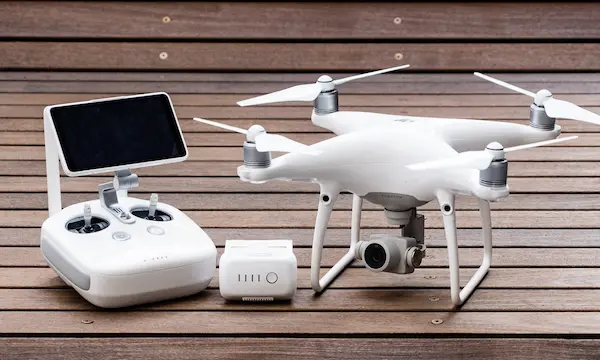
When traveling with a drone, it’s important to be aware of battery restrictions and take necessary precautions to ensure safe transportation. Here are some key considerations:
Carry-On Baggage
Lithium-ion batteries, commonly used in drones, are generally not allowed in checked baggage due to their fire risk. It is recommended to carry the drone batteries in your carry-on baggage, where they can be easily monitored.
Battery Quantity
Airlines typically have restrictions on the number of spare batteries you can bring. Check with your airline for their specific limits. It’s advisable to carry only the necessary number of spare batteries to minimize the risk.
Battery Capacity
In some cases, there might be limitations on the capacity of lithium-ion batteries that can be brought on board. Larger batteries may require prior approval from the airline. Check the airline’s guidelines to ensure compliance.
Battery Packaging
To prevent short circuits and accidental activation, it is recommended to keep your batteries in their original packaging. If the original packaging is no longer available, use a dedicated battery case or insulate the battery terminals with tape to avoid any contact with metal objects.
Battery Charging
It is generally not permitted to charge your drone batteries during flight. Ensure that your batteries are fully charged before your journey to avoid any issues.
Carry-On Vs. Checked Baggage
If you are wondering “Can you bring a drone on a plane”, you need to understand the advantages and disadvantages as well. Let’s check out them –
Advantages And Disadvantages Of Carrying A Drone In Carry-On Luggage
Carrying a drone in your carry-on luggage offers several advantages and disadvantages. Here are some key points to consider:
Advantages
Direct Supervision
When your drone is in your carry-on luggage, you have it under your direct supervision throughout the journey. This reduces the risk of damage, loss, or theft.
Security Compliance
Carrying your drone in carry-on luggage allows you to comply with security measures more effectively. You can easily present the drone for separate X-ray screening and answer any questions from security personnel, ensuring a smoother security process.
Protection During Transit
By keeping your drone with you in the cabin, you have more control over its handling and can take precautions to protect it from rough handling or impacts.
Disadvantages
Space Limitations
Carry-on luggage space is limited, and drones can take up a significant amount of space, especially larger or professional-grade models. Ensure your drone fits within the size and weight restrictions set by the airline to avoid any issues.
Additional Scrutiny
Drones contain electronic components that may attract additional scrutiny during security checks. Be prepared for security personnel to inspect your drone more closely, potentially causing slight delays during the screening process.
Battery Restrictions
Lithium-ion batteries, commonly used in drones, have specific regulations for air travel. Carrying them in your carry-on luggage means you need to adhere to the restrictions and guidelines set by the airline regarding battery quantity and capacity.
Considerations For Packing A Drone In Checked Baggage
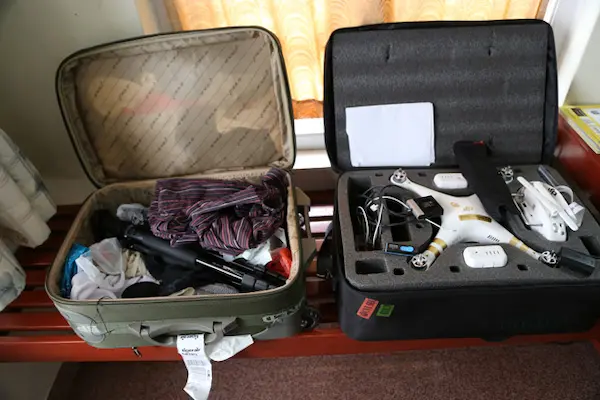
When considering packing a drone in checked baggage, there are several important considerations to keep in mind:
Protection And Packaging
Ensure your drone is packed securely in a sturdy and well-padded case or bag to protect it from potential damage during handling. Consider using foam inserts or additional padding to provide extra cushioning.
Fragile Items
Drones are delicate electronic devices with sensitive components, so it’s important to take extra precautions to protect them. Remove any detachable parts, such as propellers or camera gimbal, and pack them separately to minimize the risk of damage.
Fragile Labeling
Clearly label your checked baggage as “Fragile” or “Handle with Care” to alert baggage handlers to exercise caution while handling your drone. However, keep in mind that labeling alone does not guarantee careful handling.
Liability And Insurance
Understand that airlines and transportation authorities may not be held liable for any damage or loss that occurs to drones packed in checked baggage. Consider purchasing travel insurance that covers valuable electronic equipment to protect against potential losses.
Restrictions And Regulations
Check with your airline regarding any specific restrictions or regulations regarding the transportation of drones in checked baggage. Some airlines may have limitations on carrying drones or lithium-ion batteries in checked baggage due to safety concerns.
Security Measures And Potential Risks Associated With Each Option
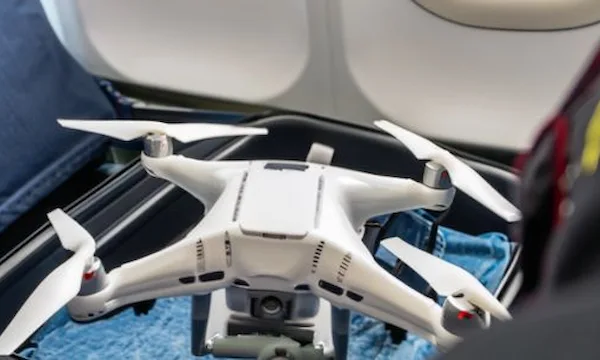
Carrying a drone in either carry-on or checked baggage comes with certain security measures and potential risks. Here are the considerations for each option:
Carrying A Drone In Carry-On Luggage
Security Measures
Separate Screening
Drones often require separate X-ray screening at airport security checkpoints. This is to ensure that the device does not pose any security threats or contain prohibited items.
Inspection And Questioning
Security personnel may inspect your drone more closely, ask questions about its purpose or functionality, and verify that it complies with airline regulations.
Potential Risks
Limited Space
Carry-on luggage space is limited, and larger drones may not fit within the size restrictions set by the airline. Ensure your drone meets the size requirements to avoid potential issues.
Battery Restrictions
Lithium-ion batteries used in drones are subject to specific regulations. Carrying spare batteries in your carry-on luggage requires compliance with airline rules regarding battery quantity and capacity.
Packing A Drone In Checked Baggage
Security Measures
Standard Screening
Drones packed in checked baggage usually go through standard security screening processes, similar to other checked items. They are not subject to separate X-ray screening or detailed inspection.
Potential Risks
Mishandling And Damage
Checked baggage is subjected to rough handling during transit, increasing the risk of damage to the drone. Even with protective packaging, there is still a possibility of impacts or mishandling that could affect the drone’s condition.
Loss Or Theft
Checked baggage can occasionally get lost or misplaced during transit. While this is rare, there is a small risk of your drone being lost or stolen when packed in checked baggage.
Batteries And Battery Safety
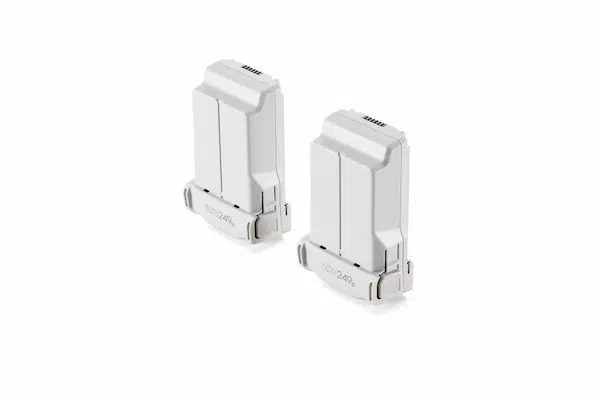
By understanding regulations, packing batteries correctly, and following safety tips, you can ensure a safer travel experience with your drone batteries.
Understanding Regulations And Restrictions For Drone Batteries
When it comes to traveling with drone batteries, it’s essential to understand the regulations and restrictions imposed by airlines and aviation authorities.
Lithium-ion batteries, commonly used in drones, are subject to specific rules due to their fire risk. Familiarize yourself with the specific limits on battery capacity and quantity allowed by your airline, as these restrictions can vary.
Packing And Labeling Batteries Correctly
Proper packing and labeling of drone batteries are important for safe transportation. Place each battery in its original packaging, or use a dedicated battery case to prevent any short circuits.
It’s advisable to insulate the battery terminals with electrical tape or use battery covers to prevent accidental contact. Label the battery packaging with “Lithium-ion battery” or “Li-ion battery” to ensure that airport staff can easily identify the contents.
Tips For Ensuring Battery Safety During Air Travel
Carry Batteries In Your Carry-On Luggage
Most airlines prohibit drone batteries in checked baggage due to safety concerns. Keep your drone batteries with you in your carry-on luggage to minimize the risk of damage or accidental activation.
Protect Battery Terminals
To prevent short circuits, ensure that the battery terminals are protected from contact with any metal objects, such as keys or coins. Keep batteries away from conductive materials during transport.
Check Battery Charge Levels
Fully charge or discharge your drone batteries to approximately 30-50% of their capacity before air travel. This helps reduce the risk of fire hazards during flight.
Avoid Physical Damage
Protect your batteries from physical damage by ensuring they are securely stored in their packaging or a dedicated battery case. Avoid dropping or crushing the batteries.
Stay updated With Regulations
Airline and aviation regulations can change, so it’s important to stay informed about the latest rules and guidelines regarding drone batteries. Regularly check the airline’s website or contact their customer service for any updates.
International Travel Considerations
Traveling internationally with a drone requires careful consideration of various factors to ensure a smooth and compliant experience. Here are some key considerations:
Researching Drone Regulations In The Destination Country
Each country has its own drone regulations and laws. Before traveling, research and familiarize yourself with the drone regulations of your destination country.
Pay attention to restrictions on drone usage, registration requirements, flight zones, and any permits or drone licenses that may be needed. Ensure you understand and comply with the local regulations to avoid legal issues.
Understanding Customs And Importation Rules For Drones
When entering a foreign country, you may need to go through customs and comply with importation rules for your drone.
Some countries require you to declare the drone and provide the necessary documentation, such as proof of ownership or registration. Be aware of any import duties or taxes that may apply and follow the customs procedures accordingly.
Additional Considerations For International Drone Travel
Insurance Coverage
Consider obtaining international travel insurance that specifically covers your drone. This can provide protection against loss, theft, or damage during your trip.
Language And Cultural Differences
If the destination country has a different language, it can be helpful to learn key drone-related terminology or have translated copies of important documents. Also, respect local cultural norms and privacy regulations when flying your drone.
Flight Restrictions And No-Fly Zones
Be aware of any specific flight restrictions or designated no-fly zones in the destination country. These may include airports, military installations, government buildings, or other sensitive areas. Familiarize yourself with the local airspace regulations to ensure safe and legal drone flights.
Battery Transportation Regulations
Understand the specific regulations regarding drone batteries in the destination country. Some countries may have restrictions on battery capacity, and quantity, or require certain packaging for safe transportation.
Local Resources And Communities
Reach out to local drone communities or forums in the destination country. They can provide valuable insights, tips, and advice regarding flying drones in that specific area.
Tips For Smooth Travel With A Drone
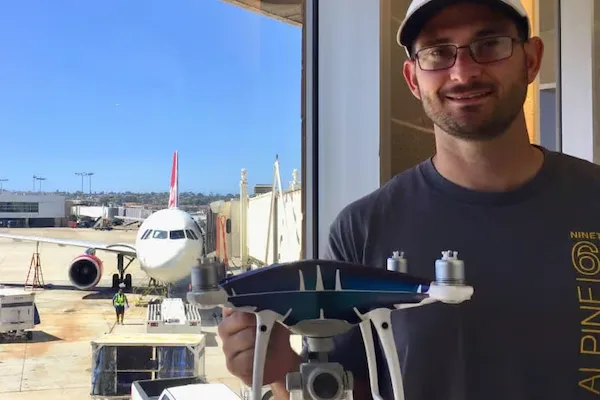
Traveling with a drone can be a rewarding experience, but it requires careful planning and organization to ensure a smooth journey. Here are some tips to make your travel with a drone hassle-free:
Arriving At The Airport Well-Prepared And Organized
Check Airline Regulations
Familiarize yourself with the specific drone regulations and policies of the airline you are flying with. Review the size, weight, and battery restrictions to ensure your drone complies with its guidelines.
Prepare Necessary Documentation
Carry all required documentation, such as drone registration, permits, or licenses, both for domestic and international travel. Keep them easily accessible for inspection if needed.
Allow Extra Time
Arrive at the airport early to allow for any additional screening or procedures related to your drone. This helps avoid last-minute stress and ensures a smoother travel experience.
Communicating With Airline Staff And Security Officers
Inform Airline Staff
Notify the airline staff at check-in or gate that you are traveling with a drone. This proactive communication can help them provide any necessary instructions or guidance.
Cooperate With Security Officers
During security checks, follow the instructions of security officers regarding the handling and screening of your drone. Be prepared to remove the drone from its case and present it separately for X-ray screening if required.
Protecting The Drone And Accessories During Transportation
Secure Packaging
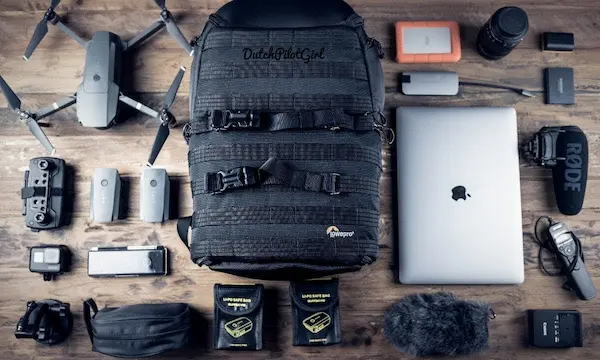
Use a durable, well-padded case or backpack specifically designed for drone transportation. Ensure that your drone fits snugly and is protected from any impact or pressure.
Battery Safety
Follow airline guidelines for carrying and packaging drone batteries. Keep them in their original packaging or use a specialized battery case to prevent short circuits. Insulate the battery terminals to avoid accidental contact.
Protect Fragile Parts
Remove any detachable parts, such as propellers or camera gimbal, and pack them separately to prevent damage. Use protective padding or foam inserts to secure them during transport.
Consider Tsa-Approved Locks
If you are concerned about the security of your drone, consider using TSA-approved locks for your drone case. These locks can be opened by TSA if necessary for inspection without damaging the lock or case.
Alternative Options For Drone Pilots
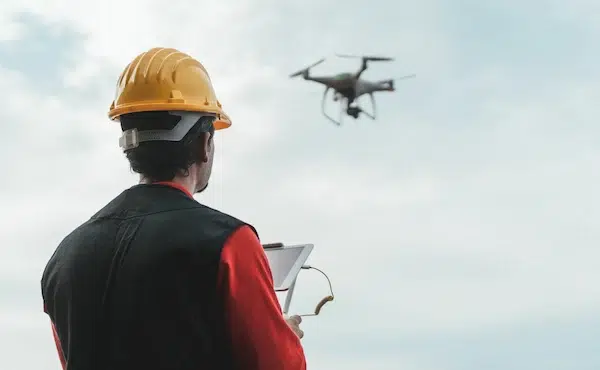
Drone pilots have various alternative options available to them, depending on their skills, interests, and career goals. Here are 3 alternative options for drone pilots to consider:
Renting Drones At The Destination
Instead of carrying their own drones while traveling, drone pilots can opt to rent drones at their destination. This allows them to explore new locations and capture aerial footage without the hassle of transporting their own equipment. Many cities and tourist destinations have drone rental services available.
Joining Local Drone Communities Or Clubs
Drone pilots can connect with local drone communities or clubs in their area. These groups often organize meetups, workshops, and flying sessions where pilots can network, share knowledge, and learn from each other.
Exploring Drone Rental Services And Partnerships
Drone pilots can explore partnerships with drone rental services or companies. They can offer their piloting skills and expertise to these rental services. This provides an opportunity to fly different drone models, work with diverse clients, and expand their professional network.
Can You Bring A Drone On A Plane: Final Words
The skies are not off-limits to your drone dreams! When it comes to bringing a drone on a plane, knowledge and preparation are the keys to unlocking the possibilities.
While it may seem daunting, understanding the regulations, following the necessary steps, and ensuring the safe transportation of your beloved flying companion can make your journey a soaring success.
So, pack your bags, charge those batteries, and let your drone take flight as you embark on new horizons, capturing breathtaking aerial vistas that will leave you and your audience spellbound.
Remember, the sky’s the limit, and with careful planning, your drone can become a trusted travel companion, helping you capture the world from exhilarating heights!