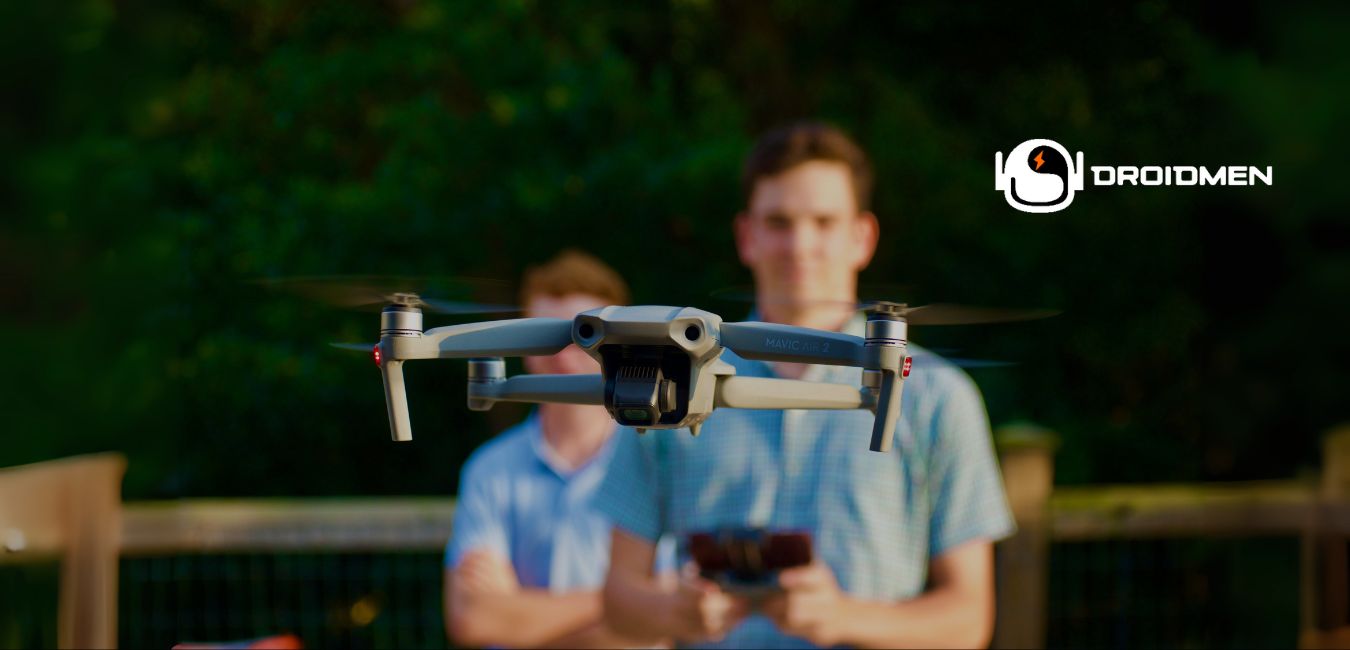
Flying a drone for the first time is an exciting milestone, but it can also feel overwhelming. With so many controls and safety checks to consider, beginners may hesitate before takeoff. The good news is that flying becomes much easier with the right preparation and guidance.
Learning how to fly a drone for the first time takes patience and preparation. Select an open space, learn how controls respond, and check equipment carefully. Practice hovering, smooth turns, and safe landings to gain confidence while avoiding the common mistakes many beginners make.
This guide will provide beginner tips, safety advice, and step-by-step instructions so your first drone flight is safe, enjoyable, and successful.
Table of Contents
Key Takeaways
- Get Ready First: Double-check batteries, controls, and safety guidelines before launching your drone. Preparation reduces risks and boosts confidence.
- Start Small: Begin with short, steady hovers at low heights to get familiar with handling and response.
- Fly Smart: Pick open spaces free of trees, crowds, or buildings to keep your first flights safe and enjoyable.
Preparing Before Your First Flight
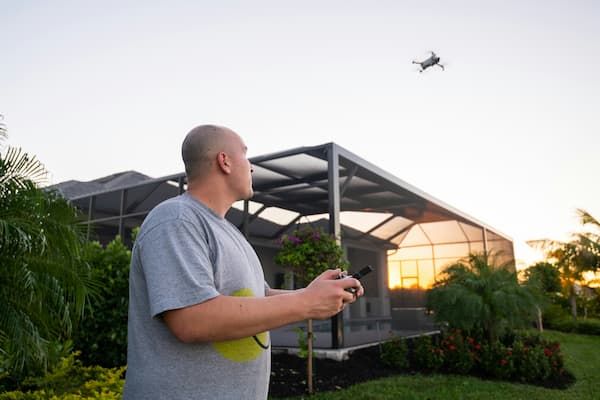
Before taking your drone into the sky, preparation is essential. A safe location, legal awareness, and proper setup ensure a smooth first flight. These steps help beginners build confidence while avoiding risks and unnecessary mistakes.
Choosing The Right Location For Beginners
Select a wide, open area free from obstacles such as trees, power lines, and crowds. Large parks or empty fields are perfect for first flights. Avoid windy conditions or tight spaces that may cause crashes.
A clear, flat environment enables new pilots to focus on learning controls without distractions or unexpected hazards.
Checking Local Drone Laws And Regulations
Before flying, research your local drone laws to ensure compliance and safety. Some areas restrict flight near airports, government buildings, or over crowds. Many regions also limit altitude for recreational drones.
Following rules prevents fines, protects others, and keeps you out of trouble. Always check updated regulations to ensure your first flight remains stress-free.
Inspecting And Setting Up Your Drone
Before takeoff, carefully inspect your drone for any loose parts, damaged propellers, or low batteries. Make sure the remote controller is charged and properly paired.
Calibrate the compass and GPS to avoid errors. Reviewing the manual’s setup steps ensures everything is ready. A quick pre-flight inspection reduces risks, giving you peace of mind for flying.
Understanding Basic Drone Controls
Learning drone controls is key to confident flying. Beginners should familiarize themselves with the controller layout, movement functions, and beginner-friendly modes. Knowing how each input affects flight makes learning smoother and prevents unnecessary mistakes.
The Remote Controller Layout Explained
Most drone controllers have two joysticks, several function buttons, and trim controls. The left stick typically handles throttle and yaw, while the right manages pitch and roll.
Additional buttons may control camera functions or flight modes. Take the time to study the manual and practice stick movements before flying, ensuring you understand exactly how each input works.
Throttle, Yaw, Pitch, And Roll — What They Mean
Throttle controls altitude, yaw rotates the drone, pitch moves it forward or backward, and roll shifts it sideways. Together, these four functions define drone movement. Mastering them allows smooth, stable flying.
Practicing slow, deliberate movements helps beginners build muscle memory and precision. Understanding these basics ensures you’ll remain in control during your first flights.
Using Beginner Or Training Flight Modes
Many drones feature beginner or training modes that limit speed, altitude, and responsiveness to help users learn and practice. These modes reduce risks while helping new pilots gain confidence. Some also include automatic stabilization for smoother flying.
Activating these settings provides a safer, more forgiving learning environment, allowing you to focus on mastering basic maneuvers without overwhelming controls or advanced features.
Safety Checks Before Takeoff
Performing safety checks before every flight ensures your drone operates smoothly and reduces risks. Proper calibration, equipment inspection, and awareness of weather conditions prepare you for safe, confident flying while minimizing common beginner mistakes.
Calibrating GPS And Compass Correctly
Always calibrate your drone’s GPS and compass before flying to avoid errors or drifting. This step ensures the drone maintains accurate positioning and stable navigation.
Most drones provide on-screen prompts for calibration. Skipping calibration can cause unstable flights, loss of control, or failure of return-to-home functions. Make calibration part of your pre-flight routine.
Battery, Propeller, And Signal Checks
Before takeoff, confirm batteries are fully charged, securely inserted, and showing a healthy status. Inspect propellers for cracks or looseness and replace damaged ones immediately.
Ensure the remote controller signal is strong and interference-free. Neglecting these checks risks sudden power loss, poor performance, or accidents. A careful inspection saves both your drone and your safety.
Identifying Safe Weather And Flight Conditions
Check weather conditions before flying, as wind, rain, or extreme cold can affect performance. Ideal conditions are calm winds, clear skies, and mild temperatures.
Avoid flying in strong gusts, storms, or low visibility. Safe weather ensures stable control, better visibility, and reduces the likelihood of crashes, keeping your first flight smooth and worry-free.
Taking Off And Basic Flying Maneuvers
Mastering takeoff, basic movement, and landing is essential for every beginner. Starting with controlled steps helps build confidence, prevents crashes, and allows you to focus on developing precision while flying safely and stably.
How To Perform A Stable Takeoff
Begin takeoff on a flat, obstacle-free surface. Slowly increase the throttle until the drone lifts smoothly into the air, making small adjustments to maintain control.
Avoid sudden, jerky movements that can cause instability. A calm, steady takeoff sets the stage for safe flying and helps you immediately establish confidence in your drone’s response.
Practicing Hovering And Smooth Movements
Once airborne, practice hovering a few feet above the ground to develop stability. Focus on maintaining position with gentle inputs. Gradually try moving forward, backward, and side-to-side in smooth motions.
Practicing these basics builds muscle memory, improves confidence, and prepares you for more advanced maneuvers without overwhelming your skills as a beginner.
Landing Safely Without Crashing
When it’s time to land, bring the drone slowly back to its starting area. Reduce altitude gradually, maintaining steady and controlled movements.
Avoid dropping the throttle too quickly, which can cause hard landings. A careful, smooth descent ensures both your drone’s safety and a successful conclusion to your flight session.
Common Beginner Mistakes To Avoid
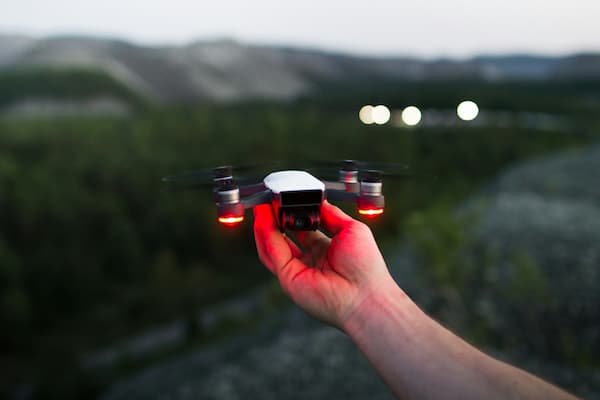
Avoiding beginner mistakes makes your first flights smoother and safer. New pilots often push limits too soon, neglect essential features, or overreact under pressure. Recognizing these pitfalls early prevents accidents and builds long-term flying confidence.
Flying Too Far Or Too High Too Quickly
Many beginners try to test the drone’s range or altitude too early. This can lead to losing sight, weak signals, or even crashes. Always keep your drone within visual line of sight and start at low altitudes.
Gradually increase the distance only after gaining confidence and learning how your drone responds in various conditions.
Ignoring Battery Levels And Return-To-Home Features
Overlooking battery life is a common mistake. Flying with low power can cause sudden shutdowns or crashes. Monitor your drone’s battery indicator closely and learn to use the return-to-home feature.
This safety feature automatically guides the drone back when the battery power runs low, preventing flyaways and ensuring safe landings every time.
Overcorrecting Controls And Panicking Mid-Flight
Beginners often overcorrect joystick movements when the drone drifts, leading to erratic flying. Panicking only worsens control. Instead, practice calm, small adjustments to stabilize flight.
Staying composed helps you regain control quickly. Confidence builds with practice, so don’t rush. The more patient you are, the smoother your flights will become.
Tips For Building Confidence As A New Pilot
Confidence comes with consistent practice and patience. Start small, focus on fundamentals, and gradually explore advanced skills. Using simple exercises and beginner-friendly strategies makes learning enjoyable while helping you feel more in control.
Practicing In Open Spaces Before Advanced Flights
Choose wide, open areas like empty fields or parks for your early practice sessions. With fewer obstacles, you can focus on mastering the basics without distractions.
Open spaces allow you to safely experiment with controls, improve stability, and gain confidence before moving into more complex flying environments or crowded locations.
Recording Short Test Videos And Photos
Use your drone’s camera to record short clips or snapshots during practice. This helps you understand how movement affects footage and allows you to review performance afterward.
Capturing small moments also boosts enjoyment, giving you motivation to continue learning while gradually building skills in aerial photography and videography alongside flying experience.
Progressing To More Complex Maneuvers Safely
Once you are comfortable with hovering, takeoff, and landing, move on to simple turns and figure-eight patterns. Always progress gradually, avoiding rushed or advanced tricks. Increasing difficulty step by step ensures steady improvement.
Practicing patiently minimizes crashes, prevents frustration, and steadily builds both technical ability and confidence as you grow into a skilled drone pilot.
FAQs
1. Do I Need A License To Fly A Drone For The First Time?
Whether you need a license to fly a drone for the first time depends on your country’s regulations. In many places, recreational pilots can fly without a license, but they must still follow safety rules. However, commercial drone use often requires registration, certification, or licensing.
2. What’s The Best Place To Practice Flying A Drone?
The best place to practice flying a drone is a wide, open area free of people, trees, and buildings, such as an empty field or park. Open spaces provide fewer obstacles, better visibility, and safer conditions, allowing beginners to focus on learning control with confidence.
3. How Long Can A Beginner Drone Fly On One Battery?
Most beginner drones can fly for approximately 10 to 30 minutes on a single battery, depending on the model and environmental conditions. Factors such as wind, camera use, and aggressive flying can reduce flight time. Carrying spare batteries ensures longer practice sessions and fewer interruptions during learning.
Conclusion
Flying a drone for the first time is a rewarding experience when approached with patience, preparation, and practice. By learning the basics, avoiding common mistakes, and building skills incrementally, you’ll gain confidence quickly.
Always prioritize safety, choose the right environment, and make use of beginner-friendly settings. With consistent practice, flying becomes second nature, opening opportunities for creative photography, videography, or simply enjoying the thrill of flight. Start small, stay safe, and enjoy your journey as a drone pilot.