Drones are fascinating tools. People use them to capture images and videos and explore places from above. Still, many drone users wonder, “Can drones fly in the rain?” Let’s find it out here in this complete article.
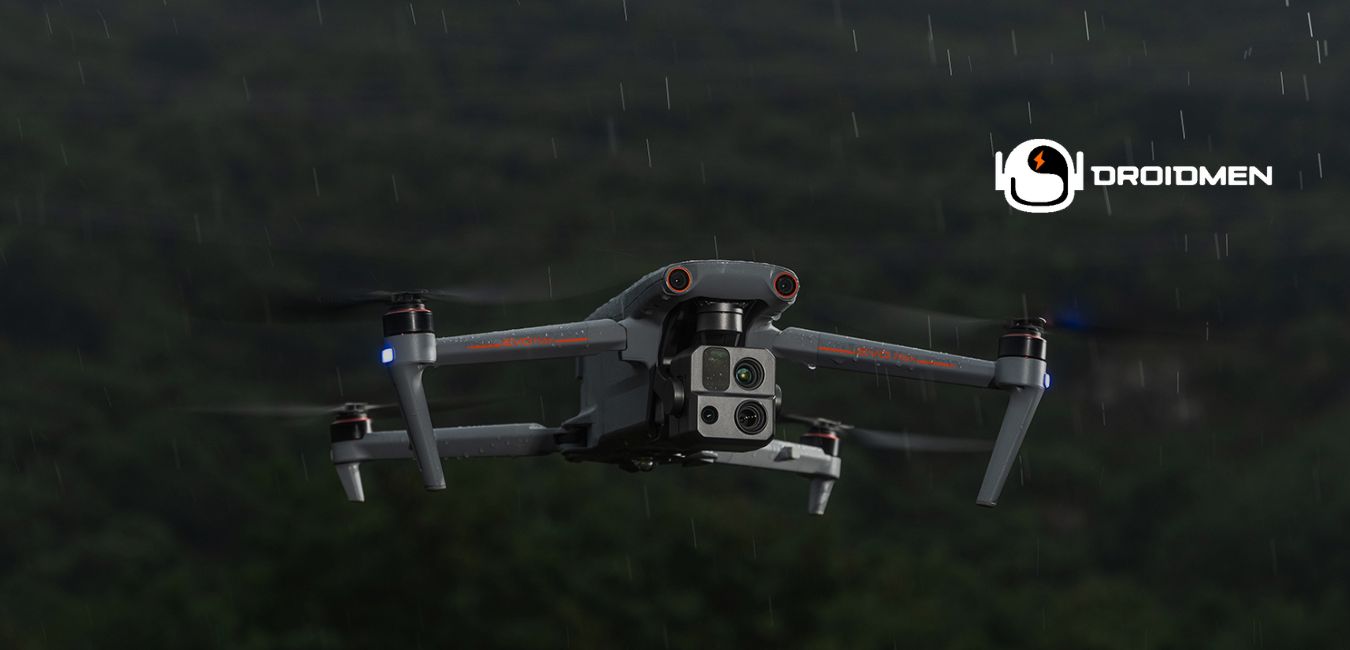
No. Most consumer drones aren’t made for rain, as water can damage electronics, motors, and cameras. Rain can also reduce visibility and make it hard to control the drone. To fly safely in light rain, use a waterproof model, and add protective covers. Also, avoid heavy rain to prevent damage.
Understand the impact of rain on drones. This can help you make better decisions and keep your drones safe. Read this extensive article to learn more.
Table of Contents
Key Takeaways
- Weather Resistance: Most consumer drones are not waterproof, so rain can damage their motors, sensors, and electronics.
- Drone Electronics: Water can harm a drone’s internal components, causing malfunctions or permanent damage to sensitive parts.
- Visibility And Control: Rain affects drone visibility and makes control difficult. Thus, it increases the risk of accidents.
Impact Of Rain On Drones
Rain can affect how drones work and fly. Water can damage the sensitive parts inside, like the electronics and motors. It can also make it harder to see through the drone’s camera and reduce the drone’s stability. Understanding how rain impacts drones helps keep them safe during bad weather.
Damage To Electronic Components
Drones contain delicate electronic parts, including circuits, sensors, and transmitters. Rainwater can easily seep into these components. When water touches these parts, it can cause short circuits, which can lead to the drone malfunctioning or even becoming unusable. Protecting electronic parts is essential to ensure the drone’s longevity.
Reduced Visibility For The Camera
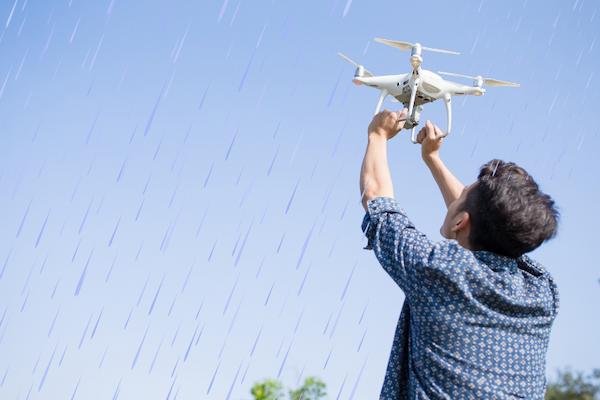
A drone’s camera helps capture clear footage and provides a view of its surroundings. Rain can blur the camera lens, reducing visibility and making it hard to capture clear images or videos. This can also make it challenging for the drone operator to see obstacles, increasing the risk of crashes.
Effect On Propeller Performance
Propellers are essential for keeping a drone in the air by creating lift. When rain falls, water droplets can gather on the propellers, making them less effective. This extra moisture adds weight. This can slow down the propellers and make them work harder. As a result, the drone can struggle to stay balanced and steady. This causes it to move less smoothly through the air and makes control more difficult.
Water Seeping Into Motors
Motors are important for helping a drone move in different directions. When rainwater gets inside the motors, it can cause serious problems. Water can lead to rusting. This makes the motors wear out faster and not work properly. This can make the drone wobble or lose its balance while flying.
Over time, the motors can even stop working completely if they are exposed to too much water, making the drone difficult to control.
Loss Of Flight Control
Rain can make controlling a drone much harder. Wet surfaces and slippery propellers can cause the drone to slip or move unpredictably. Rain also makes it harder to see where the drone is going, which makes steering difficult. This can cause the drone to wobble or lose its balance during flight. With less control, the drone is more likely to crash into obstacles or fall out of the sky.
Risks Of Flying A Drone In Rain
Flying a drone in the rain can be risky. Water can damage important parts like electronics, cameras, and motors, leading to malfunctions. Rain also makes it harder to control the drone and affects its battery life and GPS signals. Understanding these risks can help keep the drone safe and working well.
Short Circuits And Malfunctions
Flying a drone in the rain can lead to short circuits, which happen when water gets inside the drone’s body. The water can cause the electrical parts to stop working properly, leading to malfunctions. This can make the drone suddenly shut off in mid-air or ignore commands from the operator. These issues can cause the drone to crash or fall.
Camera And Sensor Damage
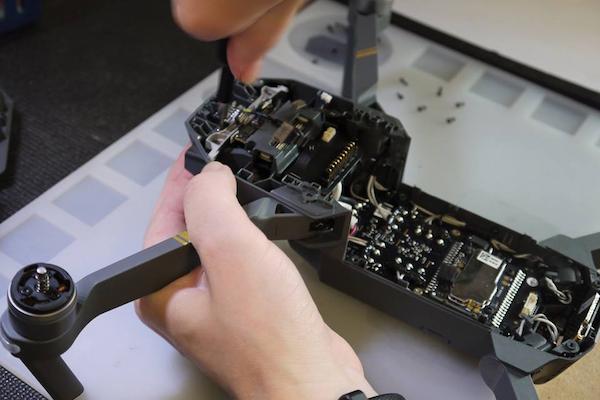
The camera and sensors on a drone can easily get damaged in the rain. Water droplets on the camera lens can blur the view, making it hard to capture clear photos or videos. Rain can also disrupt the sensors that help the drone detect obstacles and stay balanced. When these sensors don’t work properly, the drone can become unsteady and have trouble navigating. This increases the risk of crashes and makes flying less safe.
Reduced Battery Efficiency
Rainy weather can make a drone’s battery run out more quickly. Cold and wet conditions cause the battery to lose energy faster than normal. This means the drone cannot fly as long as expected. This can lead to the drone landing suddenly because the battery runs out of power sooner. Observe battery levels when flying in the rain to avoid unexpected landings and accidents.
Interference With GPS Signals
GPS signals help a drone know where it is and where to go. Rain and clouds can weaken these signals, making it difficult for the drone to track its position accurately. When the GPS signals become weak, the drone can drift off course or even lose track of where it is. This can make it challenging for the operator to control the drone. It increases the chances of accidents or the drone getting lost.
Difficulties In Controlling Flight Path
Flying a drone in the rain can be challenging because water on its body can affect stability. Reduced visibility makes it hard for the operator to see obstacles and control the drone’s direction. This can cause the drone to move unsteadily. It makes the drone’s sharp or unexpected movements.
The increased difficulty in navigating through the air raises the risk of the drone bumping into trees, buildings, or other objects. This could damage the drone.
How To Fly Drones Safely In Rain
Flying a drone in the rain can be risky, but following safety steps can help protect it. Choosing a waterproof drone, using protective covers, and avoiding heavy rain are just a few ways to keep the drone safe. Knowing how to fly carefully during wet weather ensures the drone stays in good condition and flies smoothly.
Choose A Waterproof Drone (IPX4 Or IPX7, Swellpro Spry+)
Some drones are made to handle wet conditions better than others. Choosing a drone with an IPX4 or IPX7 rating means it has protection against water splashes or short submersion. Models like the Swellpro Spry+ are specifically designed for rainy weather and can fly safely even when it’s wet outside. Using these types of waterproof drones helps prevent water damage. This makes them a better choice for rainy-day flights.
Use Propeller Guards And Covers
Propeller guards and covers are useful accessories for protecting a drone in light rain. These covers help keep water away from the propellers and motors. This reduces the risk of water damage. By adding this extra layer of protection, the drone can stay more stable and work properly. This is true even in wet conditions.
Propeller guards also help prevent damage from bumps or collisions. This makes the drone safer to fly when the weather isn’t perfect.
Maintain Visual Line Of Sight
Maintaining a visual line of sight means always watching the drone while it’s flying. This is especially important in rainy weather because it helps the operator spot obstacles like trees or buildings and avoid crashes. When the rain becomes heavier or conditions get worse, seeing the drone lets the operator safely bring it back and land. Keeping the drone in sight ensures better control and safety during flight, even in challenging weather.
Avoid Heavy Rain Or Storms
Flying a drone in light rain can be okay for some models, but heavy rain or storms are quite dangerous. Strong winds can push the drone off course. The heavy rain can also damage its parts. Lightning adds even more risk. All of these make it unsafe to keep the drone in the air. Waiting for better weather is a much safer choice because it helps avoid accidents and keeps the drone from getting damaged in harsh conditions.
Ensure Battery And Ports Are Sealed
Before flying a drone in the rain, ensure the battery compartments and all ports are tightly sealed. This stops water from getting inside, which could harm the drone’s power system and cause it to stop working. Water inside these areas can lead to short circuits or other problems, making the drone unsafe to fly.
Double-check that everything is sealed. It helps keep the drone working properly and safe in light rainy conditions.
Precautions After Flying In Rain
After flying a drone in the rain, taking proper precautions is important to keep it in good condition. Drying the drone, checking for water damage, and cleaning the parts can help prevent problems. These steps ensure that the drone stays safe and ready for future flights, even after getting a little wet.
Dry The Drone Immediately
After flying a drone in the rain, it’s important to dry it immediately using a soft cloth. Gently wiping the drone removes any moisture on its surface. This helps prevent rust and damage to delicate parts like the motors and electronics. Remove water quickly. It reduces the chances of problems caused by moisture. Dry the drone properly. It keeps it in good condition and ready for the next safe flight.
Inspect For Water Damage
After flying a drone in the rain, inspect for any water damage. Look closely for signs like rust, corrosion, or moisture around the motors and inside the battery compartment. Catch these problems early. It can help prevent bigger issues. For example, malfunctioning parts or power failures, later on.
Regular checks ensure the drone stays in good condition and continues to work properly for future flights. This is even after being exposed to wet conditions.
Clean Propellers And Camera Lens
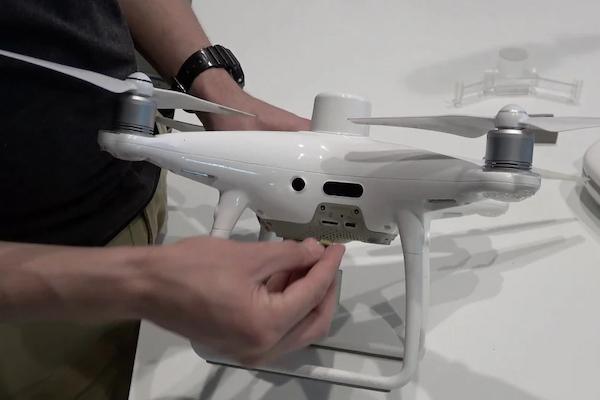
After flying a drone in the rain, clean the propellers and camera lens carefully. Use a soft cloth to wipe away water spots and any debris that can have stuck to these parts. Keeping the propellers clean ensures that they spin smoothly, which helps the drone stay balanced. Cleaning the camera lens lets it capture clear photos and videos during future flights. This simple step keeps the drone working well and ready for the next adventure.
Store In A Dry Place
After flying a drone in the rain, storing it in a dry place is very important. This prevents leftover moisture from causing long-term damage to the drone’s parts. Use a storage case with moisture-absorbing packets, like silica gel. It helps keep the inside dry and protected. These packets absorb any remaining dampness. This ensures that the drone stays safe and ready for its next flight. Proper storage keeps the drone in good condition for longer use.
Avoid Flying Until Fully Dry
Before flying a drone after it’s been in the rain, ensure it’s fully dry. Moisture left inside the drone can cause short circuits. This can damage the electronics. Wet parts can also affect how steady the drone is while flying, making it harder to control. Waiting until the drone is fully dry ensures it works properly. This also prevents risks during the next flight, keeping the drone and its operator safe.
FAQs
1. Will Rain Destroy A Drone?
Yes. Rain can damage a drone’s electronics, motors, and camera. Water can cause short circuits, reduce visibility, and make flying unsteady. When water reaches important parts, it can cause malfunctions or lasting damage. To keep the drone safe, avoid flying in heavy rain or use a waterproof model.
2. How Can I Tell If My Drone Is Waterproof?
Check the IP rating to see if your drone is waterproof. IPX4 means it can handle light splashes. This is while IPX7 offers protection against short submersion. Find the IP rating in the manual or on the manufacturer’s website. When there’s no IP rating, the drone is likely not waterproof.
3. Can Drone Batteries Get Damaged In The Rain?
Yes. Rain can damage drone batteries. Water can enter the battery compartment. This causes short circuits and shortens battery life. Wet conditions can also cause the battery to drain faster. It reduces flight time. To protect the battery, keep the drone dry or ensure the battery area is sealed.
Conclusion
Flying a drone in the rain can be difficult and risky, as rainwater can harm the drone’s delicate electronic parts. Water can seep into the motors or battery, causing damage and making the drone unstable. Rain also reduces visibility, making it harder to see obstacles and control the drone.
Knowing how rain affects drones and being aware of the risks can help you take proper precautions, like using a waterproof model or waiting for better weather. Taking these steps can protect your drone and prevent accidents.
Always think about safety first, and when conditions are too wet or stormy, it’s best to wait for a clear day. By being careful and patient, you can ensure a safer, longer-lasting, and more enjoyable experience when flying your drone.