In the rapidly evolving world of technology, drones have claimed their space as transformative devices with a wide spectrum of applications. From military surveillance to entertainment, and from agriculture to infrastructure inspection, these unmanned aircraft systems have revolutionized several industries. This article aims to provide a comprehensive understanding of the different types of drones, their features, applications, and regulatory requirements.
Table of Contents
Understanding Drones: A Brief Overview

Drones, also known as Unmanned Aerial Vehicles (UAVs), are aircraft systems without a human pilot on board. Controlled by a ground-based controller or an onboard computer, drones have become a popular technological innovation due to their versatile applications.
Diving Into Different Types Of Drones
The extensive applications of drones have led to the development of various types, each with unique features and functions.
Multirotor Drones
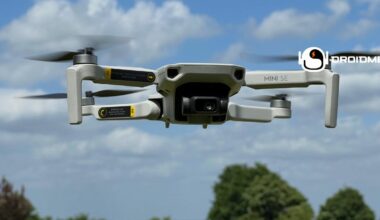
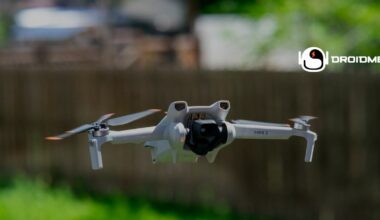
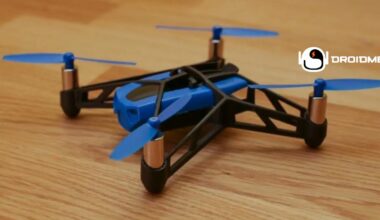
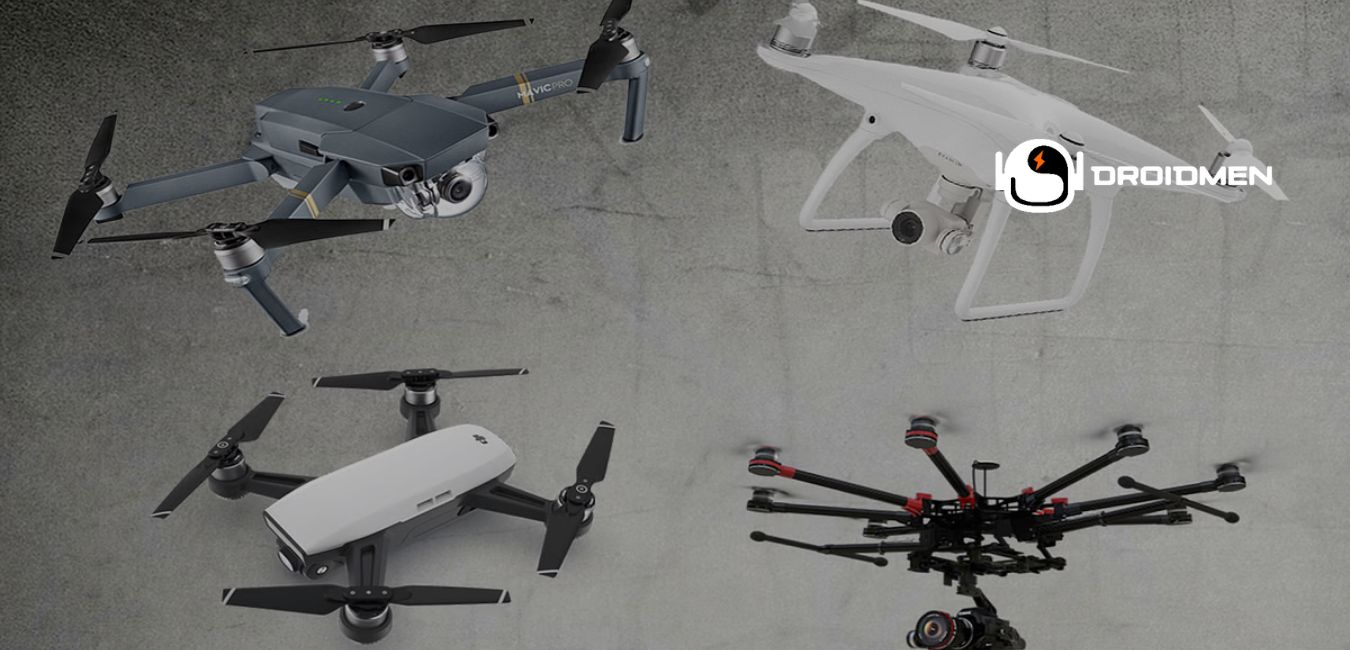
Boasting three or more rotors, multirotor drones are the most versatile and common type of drones. Their ability to hover and fly in different directions makes them a popular choice for recreational use, aerial photography, and surveying.
Fixed-wing Drones
Resembling traditional airplanes, fixed-wing drones come with fixed wings and fly with lift generated by the wings. These drones are efficient and capable of covering long distances, making them ideal for surveying and mapping vast areas.
Hybrid Drones

Hybrid drones combine the features of various types of drones and are designed for specific applications. They may have fixed wings for efficient flight and multirotor capabilities for hovering and precise control.
Single-rotor Drones
Single-rotor drones, similar to helicopters, consist of a single rotor typically located at the back of the drone. They are primarily used for industrial and military applications, such as surveillance and reconnaissance.
Which Drone Type Tops The Popularity Chart?
Among the different types of drones, multirotor drones, also known as quadcopters due to their four rotors, enjoy the most popularity. They are easy to fly and control, can hover in place, fly in different directions, and can be equipped with high-quality cameras and other sensors for aerial photography and videography. Multirotor drones serve a variety of applications, including recreational use, commercial purposes such as surveying and inspection, and military and law enforcement operations.
Legalities And Regulations Surrounding Drones
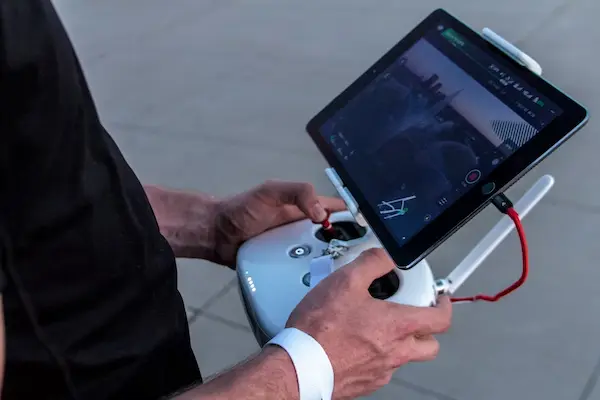
Operating drones involves following certain legal and regulatory requirements:
- Registration: Some countries require drone operators to register their drones with the relevant government agency or aviation authority.
- Pilot license: Certain types of drones or specific areas may require a pilot license or certification for operation.
- Airspace restrictions: Drones may be subject to airspace restrictions in certain areas, such as near airports, military bases, or other sensitive locations.
- Safety guidelines: Countries often establish safety guidelines for drone operators, such as avoiding flying over people, maintaining a safe distance from buildings and other structures, and operating within a visual line of sight.
- Data privacy: If drones are collecting and processing personal data or sensitive information through the use of sensors or cameras, operators may need to comply with data privacy regulations.
Comparing Drone Categories: Size, Range, And Capabilities
Here’s a comparison of the different drone categories:
- Multirotor drones: Generally smaller in size with a shorter range. Often used for recreational purposes, aerial photography, and surveying.
- Fixed-wing drones: Usually larger with a longer range compared to multirotor drones. Ideal for surveying and mapping large areas.
- Single-rotor drones: Typically larger and more powerful than multirotor drones. Often used for industrial and military purposes such as surveillance and reconnaissance.
- Hybrid drones: Combine the features of different types of drones and are designed for specific uses. They can vary widely in size and capabilities, depending on their intended use.
Choosing The Right Drone: Factors To Consider
Choosing the right type of drone for specific needs or industries can be challenging. Here are some key considerations:
- Purpose: The specific purpose of the drone should help narrow down the options and ensure suitability.
- Size and weight: These factors can affect the drone’s portability, flight time, and payload capacity.
- Range and flight time: These can affect the drone’s ability to cover large areas or complete tasks within a specific timeframe.
- Camera and sensor capabilities: The camera quality and sensor capabilities can affect the type of data or images captured.
- Legal and regulatory requirements: These can affect the type of drone used and the training and certification requirements for the operator.
- Budget: The budget can affect the options available and the level of capabilities and features that can be obtained.
The Future Of Drones
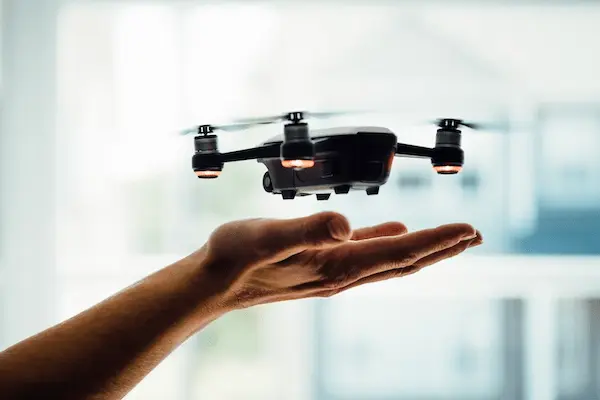
With advancements in technology, we can expect the drone industry to continue to expand, creating more sophisticated drone models with enhanced features and capabilities. They will play an increasingly prominent role in various sectors, including transportation, logistics, media, and entertainment, agriculture, construction, and emergency services.
Conclusion
As drones continue to grow in importance across industries, understanding the different types of drones available becomes increasingly pertinent. By considering factors such as specific purpose, size, weight, range, flight time, camera and sensor capabilities, legal and regulatory requirements, and budget, individuals and businesses can choose the drone that best suits their needs.