Drones have revolutionized industries from photography to logistics, but one question often sparks curiosity — how much weight can a drone carry? Understanding this reveals not just power, but also the potential of modern aerial technology.
The weight a drone can carry depends on its size and purpose. Consumer drones typically lift 0.5–2 kilograms, while commercial models handle 5–25 kilograms. Industrial heavy-lift drones can carry up to 200 kilograms or more. Payload capacity varies with motor power, battery strength, and aerodynamic efficiency.
Whether you’re a hobbyist testing limits or a business exploring drone delivery, knowing payload capacity helps you choose the right drone and maximize performance safely.
Table of Contents
Key Takeaways
- Varying Capacities: Consumer drones lift around 0.5–2 kg, while industrial heavy-lift models can exceed 200 kg.
- Performance Factors: Payload depends on motor power, battery capacity, propeller efficiency, and overall drone design.
- Purpose Driven: Choose a drone based on your intended use—photography, delivery, surveying, or heavy industrial applications.
Understanding Drone Payload Capacity
Drone payload capacity is the extra weight a drone can safely carry beyond its own body, helping users maintain stability, enhance performance, and prevent damage during photography, delivery, or industrial operations.
What Is Payload Capacity?
Payload capacity refers to the total additional weight a drone can lift besides its frame, including cameras, sensors, and other equipment. It’s a vital performance measure influencing battery life, motor strain, flight duration, and maneuverability.
Understanding payload capacity helps ensure safe operation, efficient energy use, and extended drone lifespan under varying conditions and purposes.
Factors Influencing Carrying Weight
A drone’s lifting power depends on several factors, including motor strength, propeller design, battery quality, and overall build material. Environmental conditions like air density, wind resistance, and altitude further affect performance.
Proper balance and design optimization are essential for maintaining efficient lift, stability, and reliable payload handling across various operational environments.
Typical Payload Categories
Payload capacity varies across drone classes. Toy drones weigh under 0.2 kilograms, while consumer drones range from 0.5 to 2 kilograms. Commercial models manage 5–25 kilograms, suitable for professional use.
Industrial and heavy-lift drones can carry 50–200 kilograms or more, designed for logistics, agriculture, and specialized aerial operations that require greater power and endurance.
Drone Weight Capacities By Category
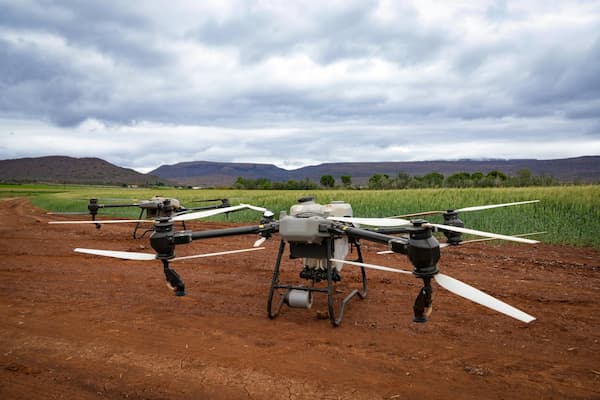
Drone weight capacity varies across categories, from lightweight consumer models designed for recreational use to industrial heavy-lift drones used in logistics, construction, and emergency services, which require powerful motors and high payload endurance.
Consumer And Hobby Drones
Consumer drones, such as the DJI Mini and Air series, are compact and versatile, capable of carrying light accessories or small cameras. Their payload typically ranges from 0.5 to 2 kilograms.
Recreational pilots must follow regulatory guidelines to ensure flight safety, maintain balance, and avoid overloading, as this can reduce battery life and compromise flight stability.
Commercial And Professional Drones
Commercial drones are designed for more advanced tasks like aerial mapping, filmmaking, surveying, and agriculture. They can carry heavy professional cameras or multispectral sensors for data collection.
Examples include the DJI Matrice 600 and the Freefly Alta 8, which manage payloads ranging from 6 to 20 kilograms while maintaining excellent stability and control.
Industrial And Heavy-Lift Drones
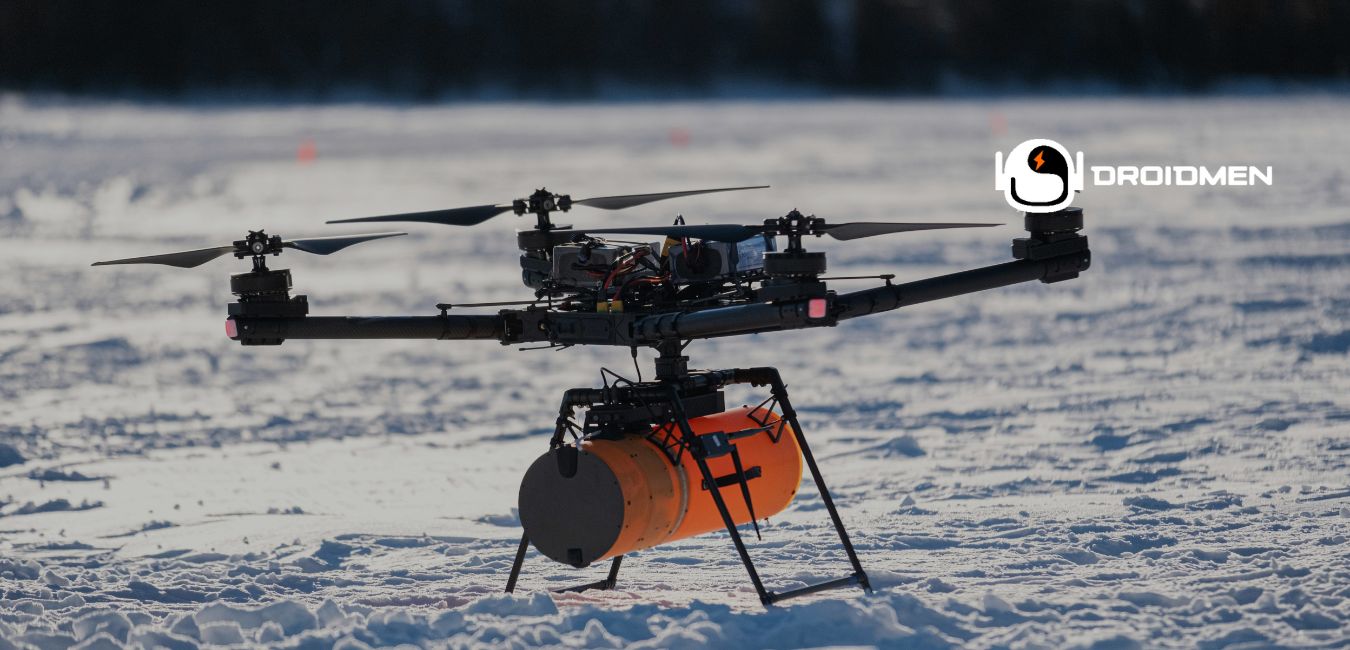
Industrial drones are designed for demanding applications, including logistics, construction, and rescue operations. These robust machines can lift between 50 and 200 kilograms or more.
They’re used for transporting cargo, delivering medical supplies, and supporting infrastructure projects that require exceptional strength, endurance, and precision in heavy-duty aerial operations.
Improving And Managing Drone Payload Performance
Enhancing drone payload performance involves striking a balance among power, weight, and efficiency. Proper optimization ensures longer flight times, stable operation, and compliance with legal standards while maximizing lifting capability across various drone categories.
Balancing Weight And Power
Achieving an ideal thrust-to-weight ratio is crucial for optimal drone performance. Upgrading motors, reducing unnecessary weight, and distributing load evenly help maintain stability.
Overloading shortens flight time, strains motors, and increases crash risk. Ensuring each component is properly sized for the drone’s purpose enhances lift, efficiency, and overall safety during operation.
Battery And Flight Efficiency Tips
Battery performance directly impacts lifting ability and flight duration. Maintaining battery health, managing temperature, and choosing high-capacity or higher-voltage batteries can significantly improve efficiency.
Lightweight frames and energy-efficient propellers also enhance endurance. Regularly monitoring charge cycles and avoiding complete discharges ensures sustained power delivery during demanding flights or heavy-lift operations.
Safety, Legal, And Maintenance Considerations
Drone operators must comply with FAA and local payload regulations to ensure safety and legality. Routine maintenance, motor calibration, and firmware updates are vital for consistent performance.
Conducting preflight inspections and balancing payload distribution reduces risks, ensuring secure and efficient operation even under challenging environmental or heavy-lift conditions.
Real-World Applications Of Heavy-Lift Drones
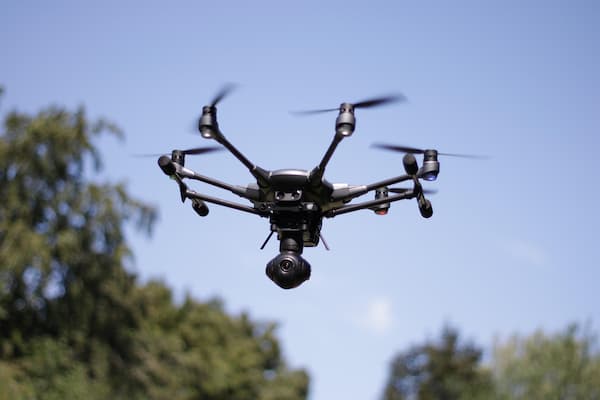
Heavy-lift drones are transforming industries by enabling efficient delivery, precision agriculture, and advanced aerial imaging. Their ability to transport large payloads safely makes them vital tools across multiple professional and industrial sectors.
Drone Delivery And Logistics
Delivery drones are revolutionizing logistics by transporting medical supplies, parcels, and food in a quick and efficient manner.
Companies like Amazon Prime Air and Zipline use them to reach remote areas, reduce delivery times, and improve accessibility. Their reliability and speed make them an innovative solution for modern supply chains and emergency response operations worldwide.
Agriculture And Environmental Monitoring
Agricultural drones enhance productivity by carrying sensors, sprayers, and cameras for precision farming. They monitor crops, perform soil analysis, and apply fertilizers or pesticides efficiently.
In environmental monitoring, drones collect data on vegetation health, water levels, and pollution, supporting sustainable farming practices and informed ecological management for improved long-term agricultural outcomes.
Film, Surveying, And Inspection Work
Heavy-lift drones equipped with cinema-grade cameras and LIDAR scanners enable professional aerial cinematography, mapping, and infrastructure inspection. They capture high-resolution visuals from unique angles and safely survey large or hard-to-reach areas. Industries like construction, energy, and entertainment benefit greatly from their precision, cost efficiency, and enhanced data collection capabilities.
FAQs
1. Can A Drone Carry A Person?
Yes, some industrial drones can technically lift humans, but these are custom-built and not consumer-legal. They require extremely powerful motors, multiple rotors, and advanced safety systems, making them highly expensive and strictly regulated for specialized applications such as experimental testing or emergency operations.
2. How Can I Increase My Drone’s Payload Capacity?
You can improve lift by upgrading motors, propellers, or batteries, and by reducing overall drone weight. Ensuring proper balance, efficient power distribution, and regular maintenance also helps maintain safe performance under heavier payload conditions without compromising stability or flight duration.
3. What Happens If A Drone Exceeds Its Weight Limit?
Exceeding payload limits strains motors and batteries, drastically reducing flight time and stability. The drone may fail mid-air or experience erratic control. Always stay within the manufacturer’s recommended capacity to avoid damage, crashes, or legal violations during flight operations or commercial use.
Conclusion
Understanding the maximum weight a drone can carry is essential for selecting the right model and ensuring safe and efficient operation. From hobby drones lifting small cameras to industrial machines hauling heavy loads, payload capacity defines a drone’s capability.
Factors like motor strength, battery power, and aerodynamics all play vital roles. Whether for delivery, agriculture, or cinematography, optimizing payload performance allows users to achieve better results while maintaining safety, compliance, and longevity in every flight mission.