Table of Contents
Why Phones Crack
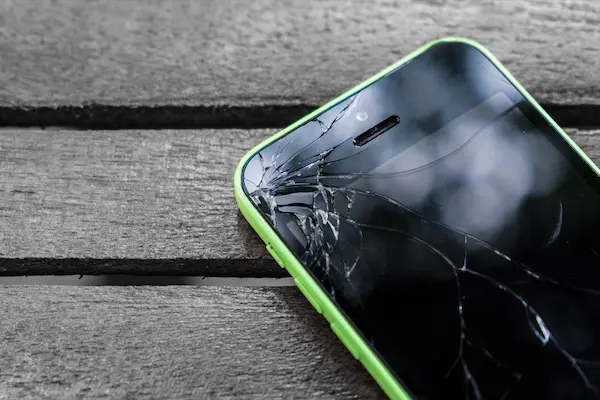
In today’s world, smartphones have become an integral part of our lives. We carry them everywhere we go, and they have become an extension of our personality. However, one major issue that has plagued smartphone users for years is the fragility of their screens. Even the slightest drop can result in a cracked screen, rendering your phone useless. In this article, we will explore the reasons why phones crack so easily and what can be done to prevent it.
The Evolution of Phone Screens
The first mobile phones had small screens made of plastic or glass. The screens were thick and sturdy, making them almost impossible to break. However, as technology advanced, phones became thinner, lighter, and more compact. The screens also got bigger, leaving little room for the casing to absorb the impact of a fall. This made the phones more fragile and prone to breaking.
The Science Behind Phone Screen Cracks
When a phone is dropped, the impact causes the screen to flex and bend. If the force is too great, the glass will crack. The glass used in phone screens is tempered glass, which is designed to break into small, harmless pieces rather than large, dangerous shards. This is achieved by heating the glass to a high temperature and then quickly cooling it, creating tension on the surface. When the glass is impacted, the tension is released, causing the glass to break into small pieces.
Factors That Affect Screen Durability
Several factors affect the durability of phone screens. One of the most significant factors is the material used to make the glass. Cheaper phones often have screens made of plastic or low-quality glass, making them more prone to breaking. High-end phones like the Samsung Galaxy and Apple iPhone use high-quality tempered glass that is more durable.
Another factor is the thickness of the glass. Thicker glass is more durable and less likely to break. However, thicker glass also makes the phone heavier and less comfortable to hold. As a result, manufacturers have to strike a balance between durability and user experience.
The design of the phone also plays a role in screen durability. Phones with curved screens, for example, are more prone to cracking because the glass is more exposed. Additionally, phones with a large bezel or bumper around the screen are more likely to survive a fall because the impact is absorbed by the casing.
The Cost of Repairs
One of the biggest concerns for smartphone users is the cost of repairs. Screen repairs can cost anywhere from $100 to $400, depending on the model of the phone and the severity of the damage. In some cases, it may be more economical to replace the phone rather than repair it.
Many people opt for insurance to cover the cost of repairs. However, insurance can be expensive, and many policies come with high deductibles. Additionally, insurance does not cover all types of damage, such as water damage or damage caused by neglect.
Repair Options
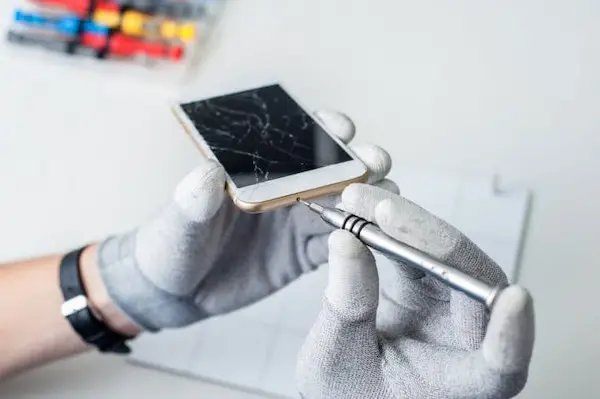
When a phone screen cracks, the owner has two options: take it to the manufacturer or a third-party repair shop. Taking the phone to the manufacturer is often the safest option, as they have access to genuine parts and trained technicians. However, repairs can be expensive, and the process can take several days or even weeks.
Third-party repair shops are often cheaper and faster than the manufacturer. However, there is a risk that they may use low-quality parts or inexperienced technicians. Additionally, repairs made by third-party shops may void the phone’s warranty, making it difficult to get future repairs.
Prevention is Key
Preventing phone screen cracks is much easier and cheaper than repairing them. One of the most effective ways to prevent screen cracks is to use a screen protector. Screen protectors are thin, transparent films that adhere to the screen, providing an extra layer of protection. They are inexpensive and easy to apply, making them an excellent investment for any phone owner.
Another way to prevent screen cracks is to use a protective case. Protective cases come in a variety of styles and materials, from thin, rubberized cases to heavy-duty cases with built-in screen protectors. They are an excellent way to protect your phone from drops and scratches.
Conclusion
In conclusion, phone screen cracks are a common problem that affects millions of smartphone users. The evolution of phone screens has made them thinner and more fragile, making them more prone to breaking. However, there are steps that can be taken to prevent screen cracks, such as using a screen protector and a protective case.
When a screen does crack, the owner has the option of taking it to the manufacturer or a third-party repair shop. Both options have their pros and cons, and the choice ultimately depends on the owner’s preferences. By taking steps to prevent screen cracks and choosing the right repair option, smartphone users can extend the life of their devices and save money in the long run.