
Table of Contents
Photography Tips
Photography is an art that requires a blend of creativity, technical knowledge, and precision. Whether you’re a beginner just venturing into the world of photography or a seasoned pro looking to refine your skills, this guide offers invaluable photography tips to help you capture stunning images.
1. Mastering Composition: The Foundation of Good Photography
Understanding and applying composition rules is the first step towards capturing engaging photos. You must be actively involved in the process of composing your shots.
Understand the Basics
Your journey to master composition begins with understanding the basic rules. Avoid cutting off essential parts of your subject with the frame’s edge, ensure your horizons are level, and aim to eliminate any distractions in your image by fine-tuning your composition. Aim for a balanced, simple composition.
Experiment and Iterate
If your first attempt doesn’t yield the desired result, don’t be disheartened. Continue experimenting with different compositions. Often, the first shot is not the best one, and by exploring various perspectives and angles, you can discover more compelling compositions.
2. Utilizing Your Current Camera Gear
The type of camera gear you own isn’t the determining factor of your photography skills.
Embrace Your Existing Gear
In our current era, even entry-level cameras offer impressive capabilities, often surpassing the functionality of top-of-the-line film SLRs or DSLRs of a decade ago. So, don’t be too quick to upgrade your gear. Instead, focus on mastering your existing camera and lens.

Figure: An image captured using the Nikon Z50, an entry-level mirrorless camera.
Focus on Skills and Knowledge
A photographer’s ultimate strength lies in their creative aptitude and understanding of camera settings, not in their gear collection. Therefore, dedicate your time and energy to enhance your creative skills and technical knowledge.
3. Getting a Grip on Camera Settings
Understanding camera settings is crucial for capturing the images you envision.
Go Beyond Auto Mode
Venture beyond the comfort of Auto mode. Although it might seem daunting at first, comprehending the trifecta of aperture, shutter speed, and ISO will give you a head start. These are the three fundamental settings in photography.
Mastering Focus
Understanding how to focus correctly is also essential. Practice with different autofocus modes and use the one that suits the scenario best. For stationary subjects, single-servo autofocus (One-Shot AF) works best, whereas for moving subjects, continuous-servo autofocus (AI Servo) is preferable.
Choose the Right Image Format
Finally, if you plan to edit your photos, shoot in Raw format. Raw files provide greater flexibility for post-processing compared to JPEGs. If uncertain, use the RAW+JPEG setting and save the RAW files for future edits.
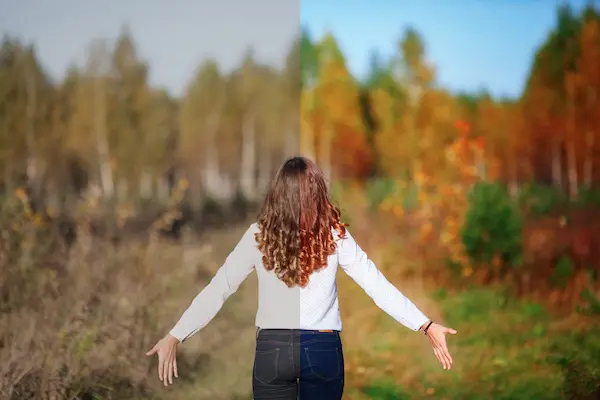
Figure: A photo showcasing the importance of understanding camera settings.
4. Avoiding Overexposure: A Key to Detail Retention
When setting your camera, it’s crucial to prevent overexposure, as it’s impossible to recover detail from white, overexposed areas in a photo.
Balancing Exposure
Shutter speed, aperture, and ISO are the only camera settings directly affecting a photo’s brightness. Thus, to avoid overexposure, you may need to adjust these settings. For instance, if there’s overexposure, start by lowering your ISO to its base value (usually ISO 100). If it’s already there, use a faster shutter speed.
Using Tools for Balanced Exposure
If your camera is mirrorless and has a histogram or zebras, enable them. These tools can help to ensure a properly balanced exposure.
5. Light: The Essential Element
At the heart of photography is light. Good lighting can significantly enhance the quality of your image.
Understanding Light Intensity
The goal is to balance the light’s intensity between your subject and the background. Even a spectacular sunset can result in a poor image if the foreground is completely dark and silhouetted.
Direction and Softness of Light
Pay attention to the direction and softness of the light. Harsh light can create unflattering shadows, especially in portrait photography. If the light source is unflattering, consider moving the source (in a studio) or the subject (outdoors), or wait for better lighting conditions.
Ensure Adequate Light
For handheld pictures, ensure there’s sufficient light. If not, use a flash or move to a brighter location. Insufficient light can result in bland, discolored photos.
6. Patience: The Virtue of Great Photography
Rushing through a photoshoot can result in mistakes. Hence, taking your time, especially as a beginner, can yield better results.
Check Camera Settings
Always double-check your camera settings. For instance, using settings meant for night photography during a daytime outdoor shoot could result in poor-quality images.
Review and Reflect
Don’t shy away from reviewing your photos during the shoot. This allows you to identify and rectify issues on the spot, thereby improving the overall quality of your images.
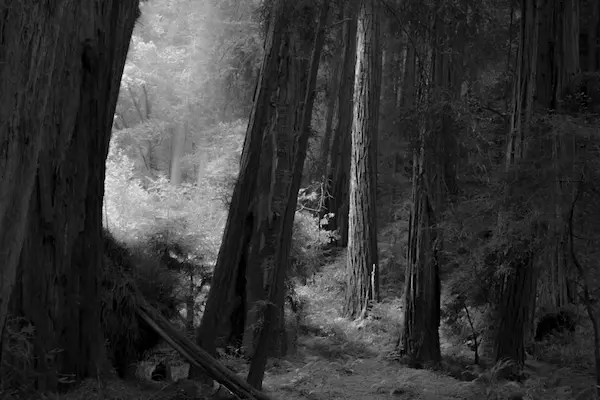
Figure: A serene nature image captured with patience and precision.
7. Embrace Mobility: Change Your Perspective
Sticking to one spot while taking pictures can limit your results. Instead, move around to capture varied perspectives.
Change Your Position
Change the height of your camera, walk forward and backward, climb onto things – do whatever it takes to get that perfect shot. This is especially important when you wish to change the relative sizes and positions of the objects in your photo.
Eye Level Shots for Wildlife Photography
In wildlife photography, shooting at eye level with the animal can result in better images. This technique also tends to produce backgrounds that are farther away, providing more subject isolation.
8. Knowing When to Use a Tripod
Tripods are a boon for photographers, offering stability and enabling long-exposure shots.
Use a Tripod for Stationary Subjects
If your subject is stationary, using a tripod can greatly enhance your image quality. Landscape, architectural, and still life photographers will benefit significantly from using a tripod.
Tripods in Macro Photography
In macro photography, tripods are indispensable for capturing high-quality images. At high magnifications, even the best in-body image stabilization (IBIS) cannot compensate for the low light and long shutter speeds required.
Tripods in Event and Travel Photography
While tripods can slow you down in event photography or while traveling, the stability and precision they offer can significantly boost the quality of your images.
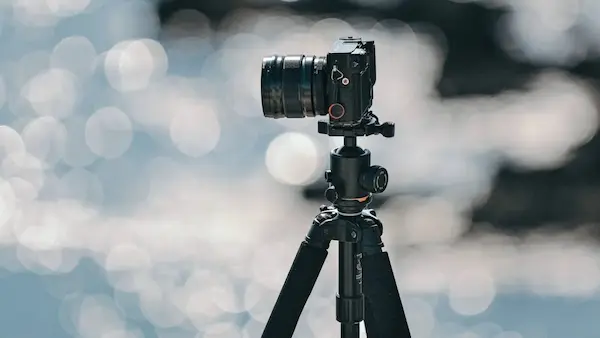
Figure: A tripod can greatly enhance the stability and precision of your shots.
9. Paying Attention to Frame Edges: Key to Balanced Compositions
When composing a photo, paying attention to the frame edges can dramatically impact the overall feel of your image.
Give Your Subject Breathing Room
Ensure your subject has enough space in the frame. Avoid cutting off important elements like the top of a mountain or the edge of a building without a good reason.
Minimize Distractions
Any distractions near the frame edges can divert the viewer’s attention from the main subject. Therefore, it’s crucial to consider the entire frame when composing your shot to avoid a cluttered composition.
10. Flash Usage: Beyond Darkness
Flashes are not just for low-light environments; they can be beneficial even in broad daylight.
Use Flash for Fill Light
During daytime outdoor shoots, a gentle flash can help fill in harsh shadows on your subject, resulting in a more balanced and appealing image.