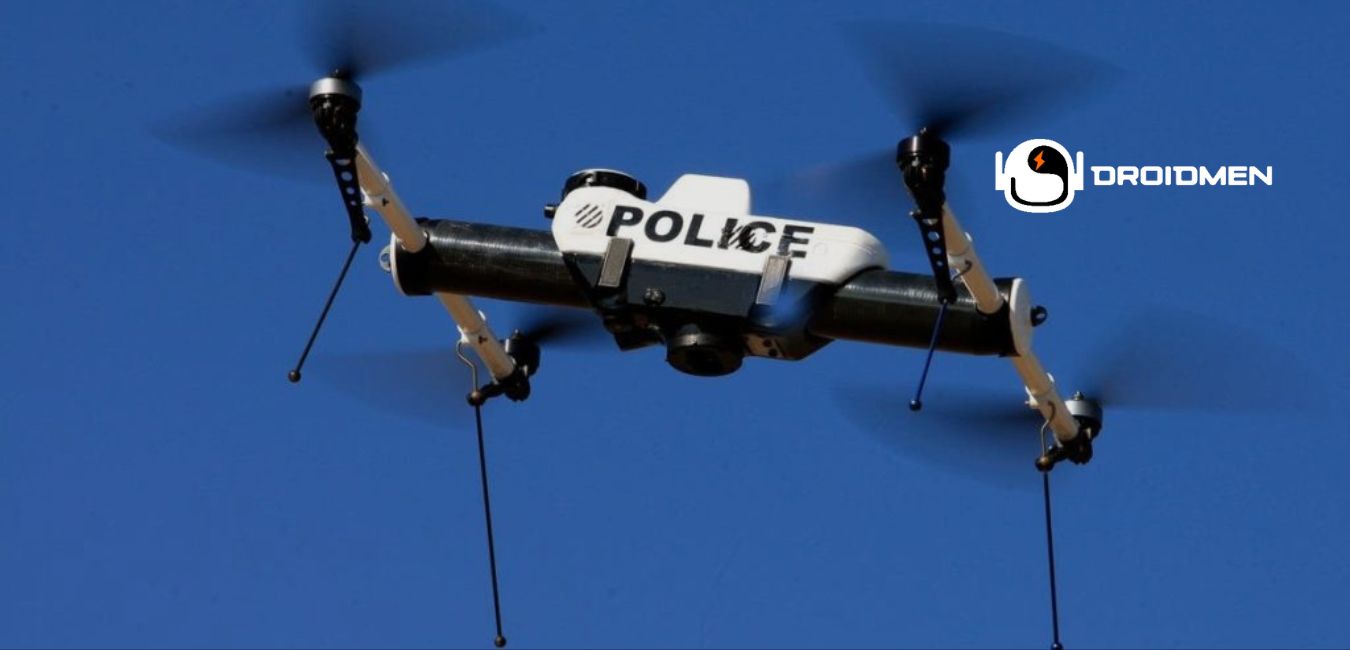
Drones are revolutionizing the way we approach public safety and infrastructure maintenance. These unmanned aircraft systems are equipped with advanced sensors and cameras that allow them to perform a wide range of tasks, from emergency response and rescue operations to power grid inspections and pipeline assessments. In this article, we will explore how drones are transforming public safety and maintenance operations and the challenges and opportunities they present for governments and organizations. Additionally, if you’re wondering how to title an essay that encompasses the revolutionary role of drones, keep reading for endless inspiration!
Table of Contents
Drones In Public Safety: An Overview
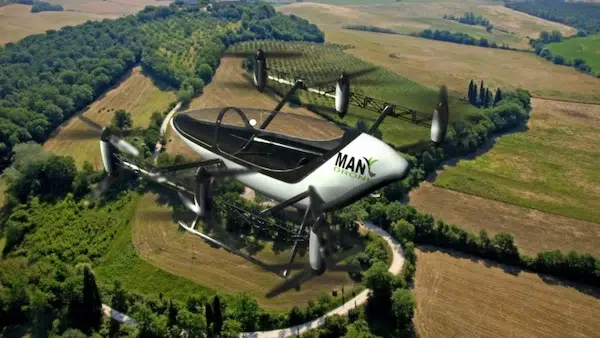
Public safety agencies across the world are leveraging drones to enhance their operational capabilities and improve response times. Drones offer a bird’s-eye view of the scene, which allows first responders to assess the situation quickly and determine the best course of action. Additionally, drones can cover a vast area in a short amount of time, significantly reducing the time it takes to conduct an emergency response operation.
The Rise Of Drone Technology
The use of drones has grown rapidly over the past few years, thanks to advancements in technology and their increasing affordability. Today, drones are used in a wide range of industries, from agriculture and construction to entertainment and news media. In public safety, drones have become an essential tool for emergency responders, providing valuable information that would be difficult to obtain otherwise.
Key Features Of Public Safety Drones
Public safety drones come equipped with a range of features that make them ideal for emergency response and rescue operations. These features include night vision cameras, thermal imaging sensors, and high-powered zoom lenses that allow first responders to see through smoke, fog, and darkness. Additionally, many drones are equipped with GPS systems that allow them to fly to a specific location automatically, making them ideal for search and rescue missions.
Regulatory Framework For Drone Operations
As the use of drones in public safety and maintenance operations grows, governments are beginning to develop regulatory frameworks to govern their use. In the United States, the Federal Aviation Administration (FAA) has established rules and guidelines for drone operations, including restrictions on flight altitude, speed, and airspace. Other countries have also established regulations for drone operations to ensure safety and protect privacy and national security.
Enhancing Emergency Response And Rescue Operations
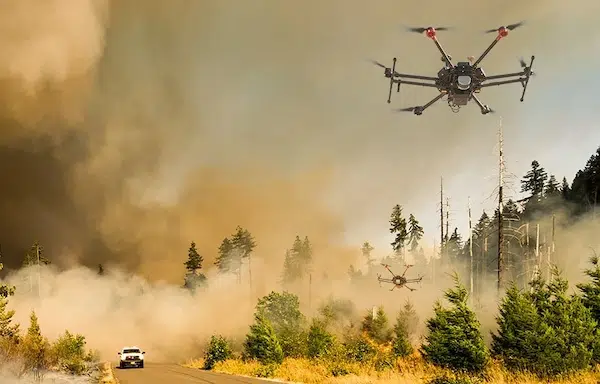
Drones are transforming emergency response and rescue operations by providing first responders with real-time information about the situation on the ground. From search and rescue missions to natural disaster management, drones are being used to improve the effectiveness and efficiency of emergency response operations.
Search And Rescue Missions
One of the most significant advantages of drones in search and rescue missions is their ability to cover a vast area quickly. Drones can fly over difficult terrain and provide a bird’s-eye view of the scene, which allows search and rescue teams to locate missing persons or victims faster. Additionally, drones can use thermal imaging cameras to detect human body heat, even in low visibility conditions.
Natural Disaster Management
Drones are also being used to manage natural disasters, such as hurricanes and wildfires. In hurricane and flood zones, drones can provide real-time information about the extent of the damage and help first responders assess the situation. In wildfire scenarios, drones can detect hot spots and fire lines, allowing firefighters to respond quickly and efficiently.
Firefighting And Hazardous Material Response
Drones also have the potential to revolutionize firefighting and hazardous material response operations. Drones equipped with high-resolution cameras and thermal sensors can detect the location of fires and identify hot spots, allowing firefighters to target their efforts more effectively. Additionally, drones can be used to monitor hazardous materials spills and assess the risks involved.
Medical Emergency Assistance
Drones can also be used to deliver medical supplies and other emergency equipment in areas that are difficult to reach. For example, drones can be used to deliver defibrillators to cardiac arrest patients faster than ground-based emergency responders, which could be lifesaving in some situations.
Revolutionizing Infrastructure Maintenance And Inspection
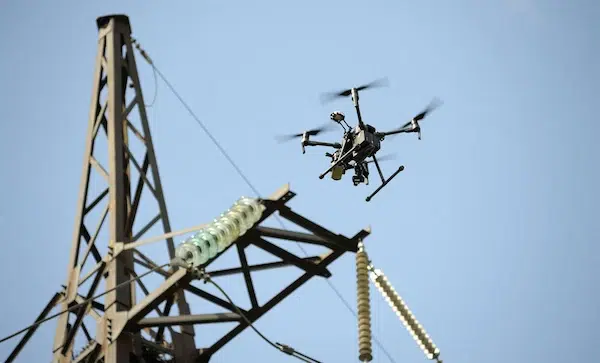
Drones are also transforming the way we approach infrastructure maintenance and inspection. From power grid inspections to pipeline assessments, drones are being used to improve safety and efficiency in maintenance and inspection operations.
Power Line And Grid Inspections
Drones are being used to inspect power lines and transmission grids, which are crucial to delivering electricity to homes and businesses. Drones can identify potential issues or defects in power lines and towers, allowing maintenance crews to respond before a problem becomes severe. Additionally, drones can perform visual inspections of solar panels and wind turbines, which are often installed in remote or dangerous locations.
Bridge And Dam Monitoring
Drones are also being used to monitor bridges and dams, which are critical parts of the infrastructure. Drones can identify potential issues, such as cracks or corrosion, and provide detailed information on the condition of the structure. Additionally, drones can be used to monitor water levels and flow rates in dams, which can help prevent flooding and other disasters.
Railway And Roadway Assessments
Drones can also be used to assess railway and roadway infrastructure, which is crucial for transportation. Drones can identify issues such as track and road damage, malfunctioning signals, and congestion, which can be used to improve traffic flow and passenger safety. Additionally, drones can be used to monitor traffic patterns and identify areas that need improvements.
Pipeline And Industrial Inspections
Drones are being used to inspect pipelines and industrial machinery for signs of defects or wear and tear. Drones equipped with cameras and sensors can detect cracks, corrosion, and other issues, allowing maintenance crews to respond quickly and prevent leaks or failures.
Drones In Law Enforcement And Security
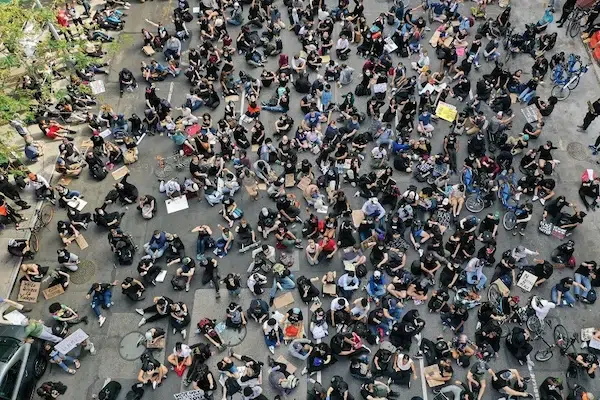
Drones are also being used in law enforcement and security operations, providing significant advantages regarding surveillance, crime scene investigation, and border patrol.
Surveillance And Crowd Monitoring
Drones equipped with high-resolution cameras and zoom lenses can be used for surveillance and crowd monitoring, allowing law enforcement to monitor public events or protests from a safe distance. Additionally, drones equipped with facial recognition software can be used to identify suspects or wanted criminals.
Crime Scene Investigation And Forensics
Drones can also be used for crime scene investigation and forensics. Drones equipped with cameras and sensors can capture detailed footage and images of a crime scene from various angles, providing valuable evidence that can be used in court.
Border Patrol And Maritime Security
Drones equipped with thermal sensors and cameras can be used for border patrols and maritime security operations. Drones can fly over vast areas of the border or coastline, detecting potential threats or illegal activities, such as smugglers or illegal fishing.
Counter-terrorism And Hostage Situations
Drones equipped with cameras and sensors can also be used in counter-terrorism operations and hostage situations. The aircraft can provide real-time information to law enforcement, allowing them to respond quickly and make informed decisions to resolve the situation.
Conclusion
The rise of drones is transforming the way we approach public safety and infrastructure maintenance. These unmanned aircraft systems offer significant advantages, from enhancing emergency response and rescue operations to revolutionizing infrastructure maintenance and inspection. Despite the benefits, drones present significant challenges regarding regulation, privacy, and security. Governments and organizations must address these challenges to maximize the benefits of this technology and ensure the safety and well-being of the public.